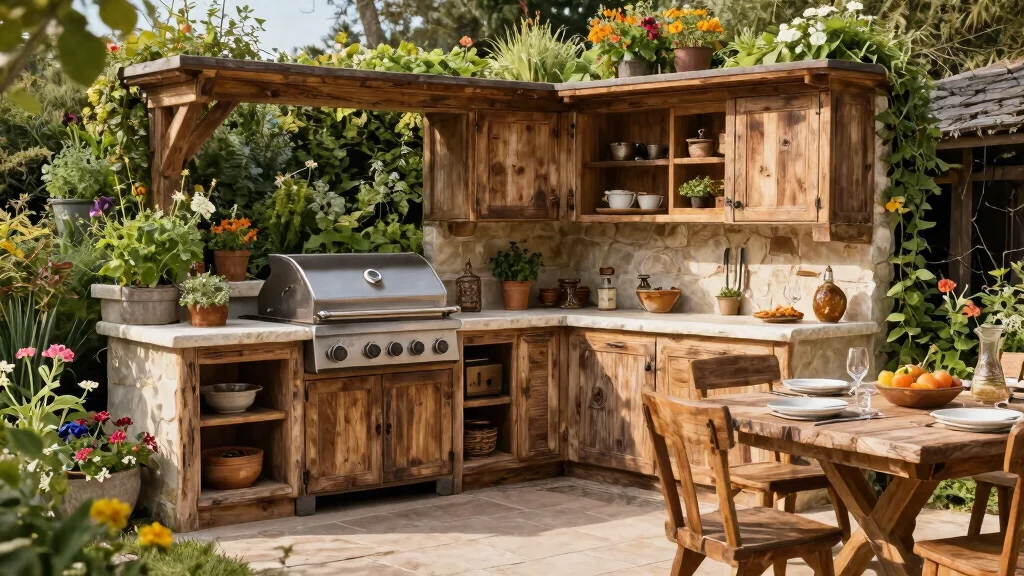
Creating a farmhouse outdoor kitchen has become a dream for many who cherish both cooking and the great outdoors. There’s something about the blend of rustic charm and practical functionality that makes these spaces so appealing. I made this post because I know how rewarding it is to gather with family and friends while enjoying good food under the open sky. If you’re looking to create a space that is not only beautiful but also hardworking, this guide is just for you.
Whether you’re a gardening enthusiast, a home chef, or simply someone who loves to entertain outdoors, you’ll find inspiration here. This collection of farmhouse outdoor kitchen ideas will help you design a rustic cooking area that matches your personality and lifestyle. From cozy fire pits to vertical gardens, every idea I’ve pulled together is full of character and ready to elevate your outdoor living space.
You’ll discover 11 creative ideas that blend style with practicality. Each section will give you the tips and features you need to transform your outdoor area into a charming kitchen oasis. Get ready to roll up your sleeves and create a space that invites laughter, delicious meals, and unforgettable memories!
Key Takeaways
– The farmhouse outdoor kitchen combines rustic design with functional outdoor cooking features, making it perfect for gatherings.
– Unique elements like rustic wooden structures and cozy fire pits enhance both the aesthetic and the experience of cooking outside.
– Incorporating vertical gardens not only beautifies the space but also provides fresh herbs and vegetables at your fingertips.
– Practical storage solutions and integrated barbecue grill stations streamline cooking and make outdoor entertaining easier.
– Personal touches and seasonal décor can make your outdoor kitchen truly your own, adding warmth and character to the space.
1. Rustic Wooden Elements
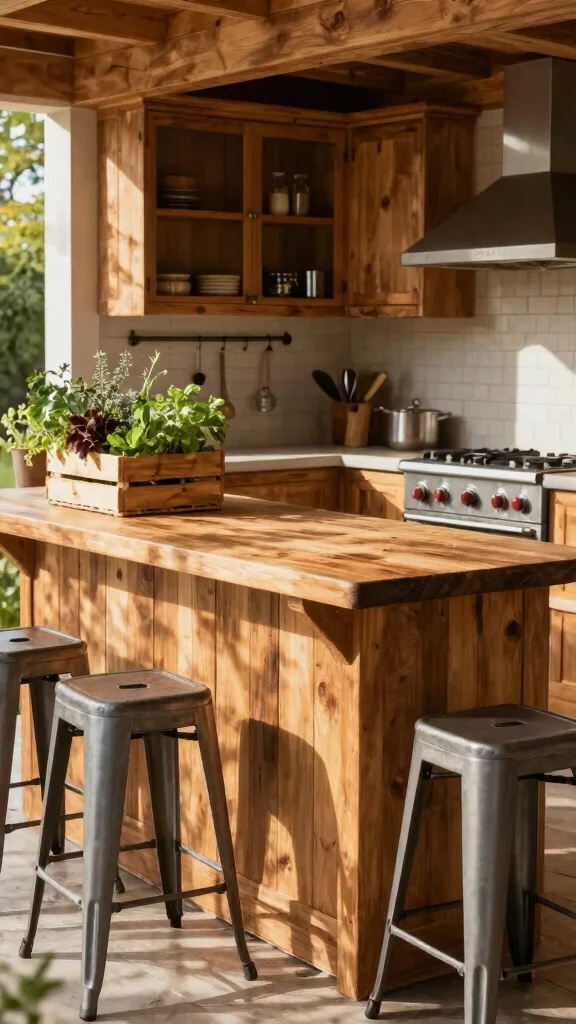
Do you adore the charm of rustic decor? Adding wooden elements to your outdoor kitchen can perfectly capture that farmhouse vibe. Think about using reclaimed wood for cabinetry and countertops to infuse warmth and character into your space. Pairing these wooden features with industrial metal accents creates a stunning contrast that is both modern and timeless. Open shelving made of wooden crates can showcase your herbs and gardening tools, marrying functionality with style beautifully.
Tips for incorporating rustic wood:
– Use treated wood to withstand outdoor elements.
– Mix different wood tones for added depth.
– Include wooden decor pieces, like cutting boards or bowls, to enhance the rustic vibe.
Protect your wood surfaces by sealing them against moisture and pests. This way, you can enjoy a truly captivating outdoor kitchen that harmonizes with nature.
2. Cozy Fire Pit Area
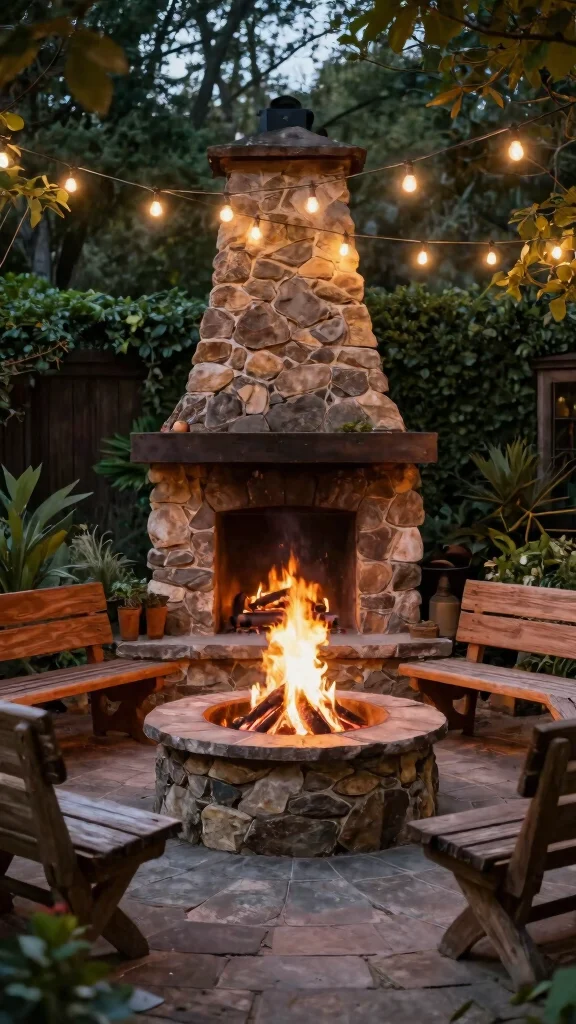
Looking to create a warm gathering spot in your outdoor kitchen? A fire pit area can elevate your cooking space into a cozy retreat. Imagine roasting marshmallows and sharing stories with friends under a starlit sky! Constructing a fire pit with stone or brick complements your rustic kitchen beautifully. Surround it with comfortable seating, such as wooden benches or Adirondack chairs, to encourage relaxation and connection.
Benefits of adding a fire pit:
– Provides warmth for cooler evenings.
– Extends your outdoor cooking season.
– Acts as a focal point for your outdoor space.
Be sure to check local regulations regarding fire pit use, and consider adding a grill attachment for even more versatility. This simple addition transforms your outdoor kitchen into a lively gathering space.
Farmhouse outdoor kitchen shines when a fire pit pulls everyone close. The crackle and warm glow invite stories, marshmallows, and easy meals shared under a starlit sky. Keep sturdy seating nearby, and your cozy retreat becomes a daily ritual.
3. Vertical Garden Features
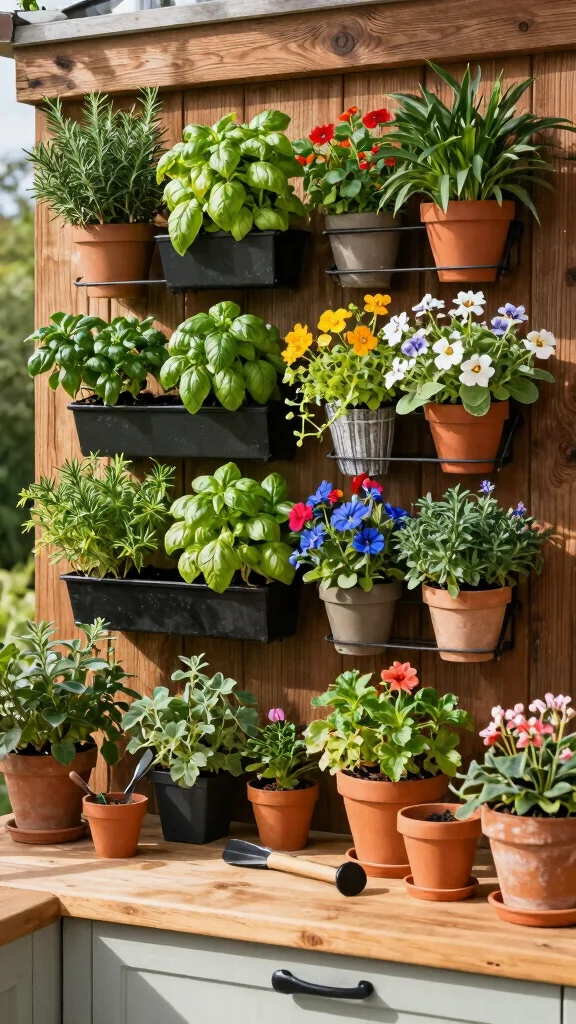
Are you craving fresh herbs right at your fingertips? Vertical gardens are a gorgeous solution for maximizing space in your farmhouse outdoor kitchen. You can create living walls with wooden frames filled with pots or repurpose pallets to grow your favorite herbs and vegetables. Not only do these gardens provide fresh ingredients, but they also enhance the beauty of your cooking area.
How to create a vertical garden:
– Choose your wall location with ample sunlight.
– Use lightweight soil and good drainage pots.
– Integrate various herb varieties for flavor and color.
With a vertical garden, you’re not just adding greenery; you’re embracing sustainable gardening practices right where you cook. Nothing beats the satisfaction of cooking with ingredients you’ve grown yourself!
4. Farmhouse-Style Dining Table
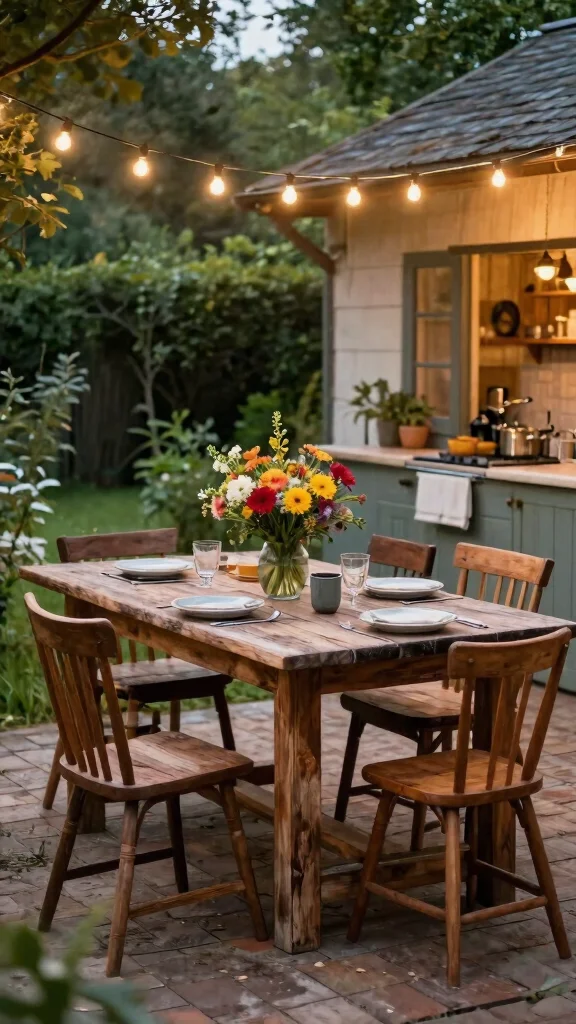
Do you love the idea of communal dining? A large, rustic dining table is a centerpiece in any farmhouse outdoor kitchen. Opt for a sturdy wooden table that can handle the elements while accommodating family and friends. A long table encourages everyone to gather, making meals feel special and connected. For added charm, mix and match chairs or benches to create a relaxed, inviting atmosphere.
Considerations for your dining area:
– Use weather-resistant finishes for outdoor durability.
– Add colorful table settings or centerpieces using fresh flowers.
– Incorporate string lights or lanterns overhead to create ambiance during evening meals.
A beautifully decorated outdoor dining area transforms meals into delightful gatherings, allowing you to savor the fruits of your culinary efforts.
Nothing says togetherness like a long farmhouse-style dining table under the open sky. In a farmhouse outdoor kitchen, a sturdy, weather-ready table invites everyone to gather, share stories, and turn meals into a ritual.
5. Integrated Barbecue Grill Station
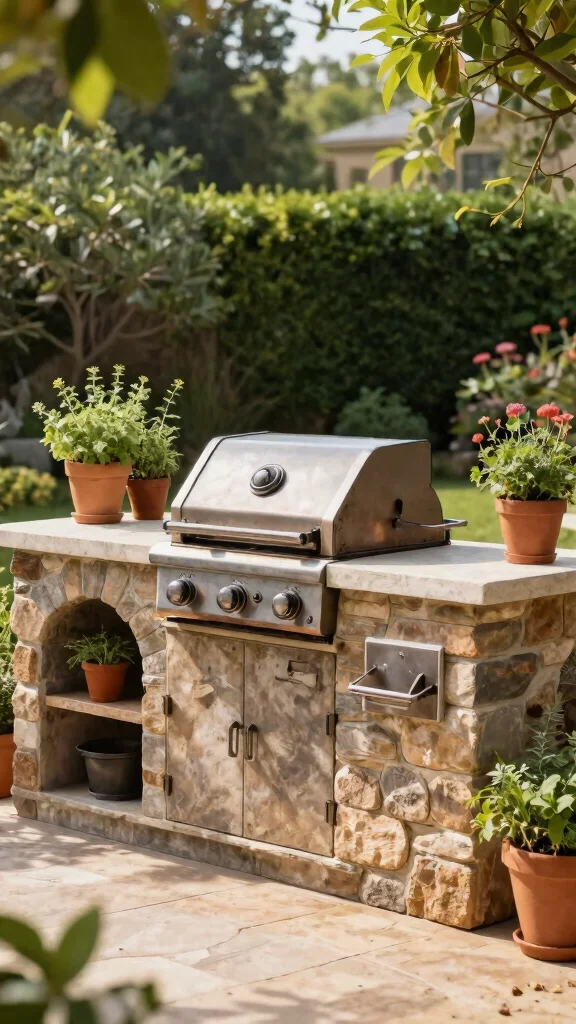
Are you ready to enhance your outdoor cooking experience? An integrated barbecue grill station is a must for any farmhouse kitchen. Invest in a high-quality grill that blends seamlessly into your kitchen layout, perhaps encased in stone or brick for an added rustic touch. Be sure to include countertop space around the grill for meal prep and serving.
Grill station tips:
– Keep a variety of utensils and a spice rack handy.
– Install a small sink for easy cleanup.
– Use decorative elements like potted plants on the counter for added character.
This feature not only boosts your cooking experience but also creates a lively social atmosphere, perfect for grilling steaks or veggies with loved ones.
6. Herb Planters within Reach
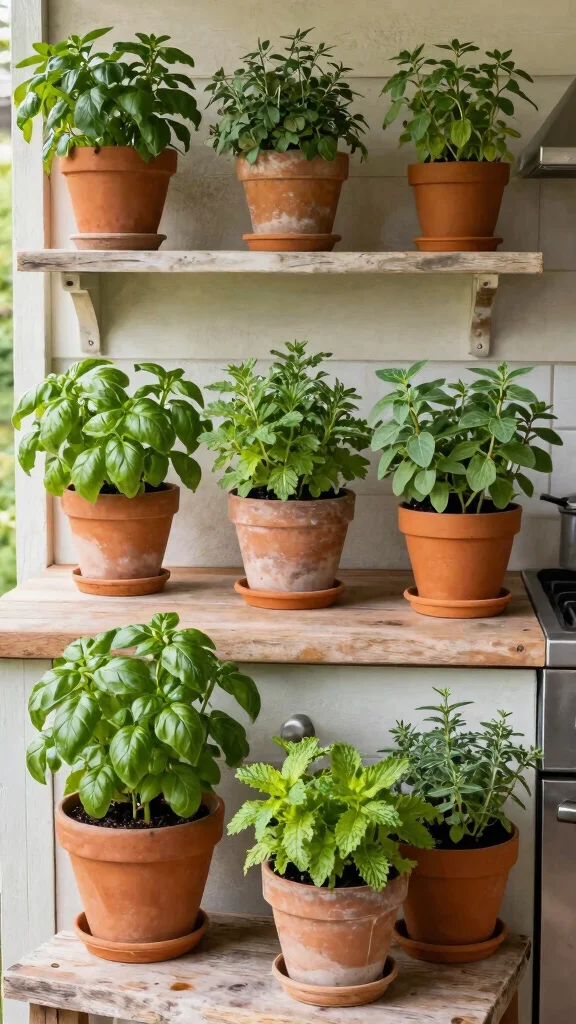
Do you dream of having fresh herbs at your fingertips? Integrating herb planters directly into your outdoor kitchen design is both practical and stylish. Create dedicated planter boxes or use wall-mounted pots to keep your herbs close by. This setup allows for instant access to fresh flavors while beautifying your cooking space.
Benefits of herb planters:
– Enhances flavor in your meals with fresh ingredients.
– Adds greenery and a refreshing scent to your kitchen.
– Promotes sustainable gardening right where you cook.
Whether you’re growing basil, cilantro, or thyme, these herb planters create a delightful connection to the food you prepare.
Key Trade-offs & Our Top Pick
Option 1: Open-Air Kitchen Design
– Pros:
– Provides a stunning view of your garden, enhancing the outdoor experience.
– Encourages airflow, making cooking more comfortable during warm weather.
– Cons:
– Exposure to the elements can lead to wear and tear of materials over time.
– Requires more maintenance to keep the area clean and functional.
– Best for: Homeowners who enjoy entertaining outdoors and want a visually appealing space.
Option 2: Covered Outdoor Kitchen
– Pros:
– Protection from rain and sun allows for year-round use.
– More options for appliances, such as built-in grills and refrigerators.
– Cons:
– Increased construction costs due to roofing and possible insulation.
– May feel closed in if not designed well, limiting your connection to nature.
– Best for: Families who want a practical cooking space that can be used in any weather.
Option 3: Vertical Garden Kitchen
– Pros:
– Maximizes space by integrating plants into the design, providing fresh herbs and vegetables.
– Adds visual interest and character, creating a charming rustic atmosphere.
– Cons:
– Requires regular maintenance and care for the plants.
– Initial setup can be more complex than traditional gardens.
– Best for: Garden enthusiasts who want to incorporate greenery into their outdoor cooking area.
Option 4: Rustic Wooden Kitchen
– Pros:
– Offers a warm, inviting feel that complements farmhouse decor.
– Durable materials like cedar and teak can withstand outdoor conditions.
– Cons:
– Wood requires sealing and treatment to prevent rot and insect damage.
– Can be more expensive than other materials like metal or concrete.
– Best for: Those seeking a classic, timeless look that blends seamlessly with nature.
Option 5: Modern Outdoor Kitchen
– Pros:
– Features sleek appliances and clean lines for a contemporary feel.
– Often includes innovative features like smart grills and outdoor lighting.
– Cons:
– May clash with traditional farmhouse aesthetics.
– Higher cost for high-tech features and finishes.
– Best for: Homeowners wanting a fresh, modern twist on outdoor cooking.
Best Overall: Vertical Garden Kitchen
The vertical garden kitchen stands out as the best overall option for most people. It not only maximizes space but also adds a vibrant touch to your outdoor cooking area. You get fresh herbs at your fingertips, enhancing your cooking experience while enjoying the rustic charm it brings. This design is versatile and can adapt to various styles and sizes, making it a smart choice for those looking to create a unique outdoor living space.
Why We Picked This:
While the vertical garden kitchen is our top pick, some might prefer an open-air design for its unobstructed views or a covered kitchen for its weather protection. Evaluate your lifestyle and preferences to choose the option that best suits your needs. Whether you want rustic charm or modern convenience, each option has its own charm that can fit into your farmhouse outdoor kitchen vision.
7. Charming Lighting Options
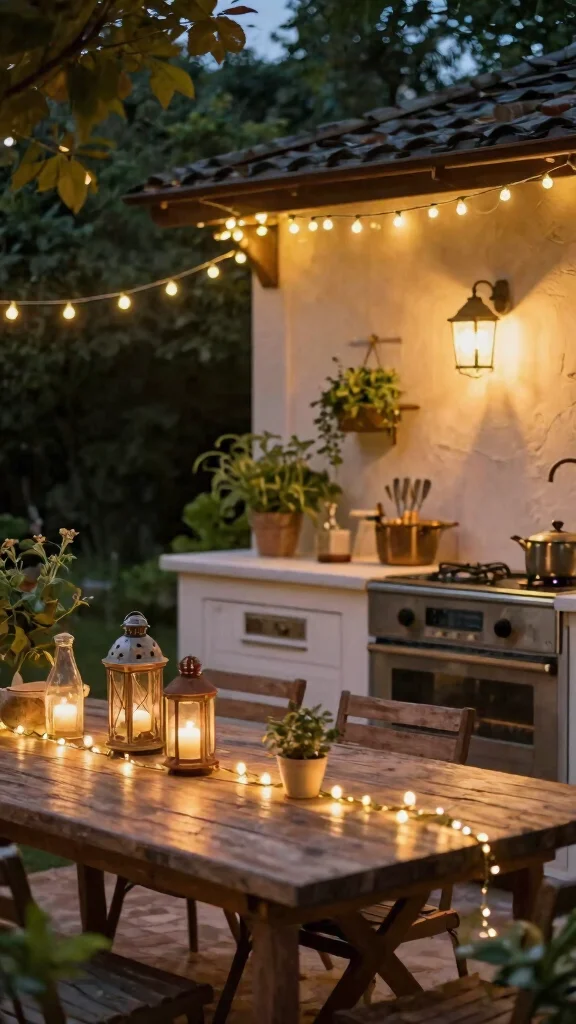
Are you looking to set the right mood in your outdoor kitchen? Thoughtful lighting plays a crucial role in creating the perfect atmosphere. From twinkling string lights to elegant lanterns, the right lighting can turn your cooking area into a magical retreat at night. Consider hanging pendant lights over the dining table or installing wall sconces for a cozy glow.
Lighting tips:
– Use warm-toned bulbs to enhance the farmhouse feel.
– Create layers of light with ambient and task lighting.
– Incorporate candles for an intimate setting.
Thoughtful lighting design not only highlights the beauty of your outdoor space but also makes it functional and inviting after sunset.
Fun fact: Warm-toned bulbs in a farmhouse outdoor kitchen can boost ambiance by up to 30%. Late dinners become cozy, lantern-lit moments, and cooking feels more like a shared gathering.
8. Storage Solutions with Style
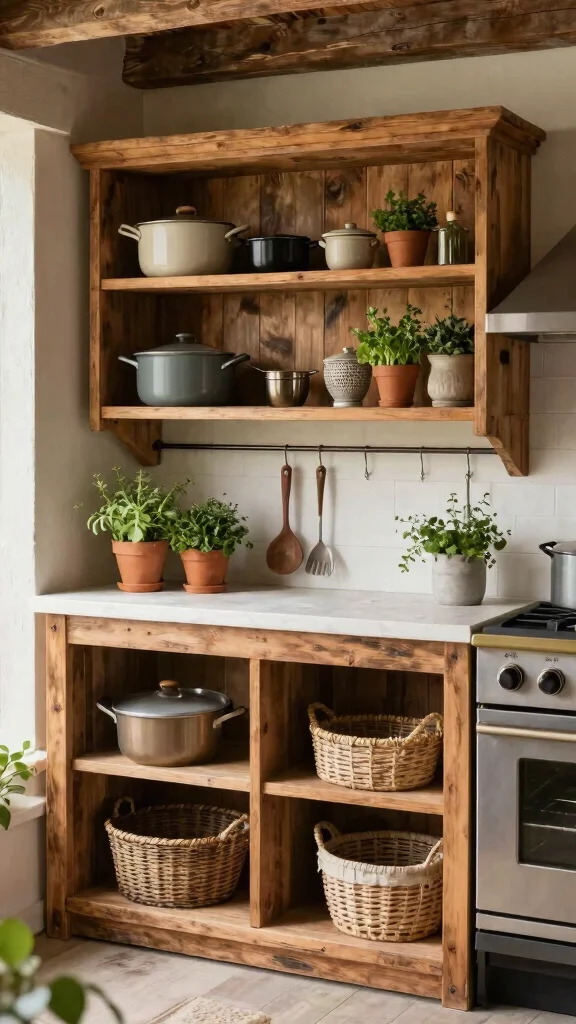
Are you in need of effective storage solutions in your outdoor kitchen? A farmhouse outdoor kitchen should be functional and stylish. Consider open shelving made of reclaimed wood to store pots, pans, and gardening tools. Decorative baskets can provide easy access to herbs and other essentials while keeping your space organized.
Storage tips:
– Choose weather-resistant materials for outdoor durability.
– Keep items grouped for easy access and an organized look.
– Integrate decorative elements like vintage jars or ceramic pots for visual appeal.
Clever storage solutions not only maintain an orderly cooking environment but also enhance the overall rustic charm of your outdoor kitchen.
9. Water Features for Serenity
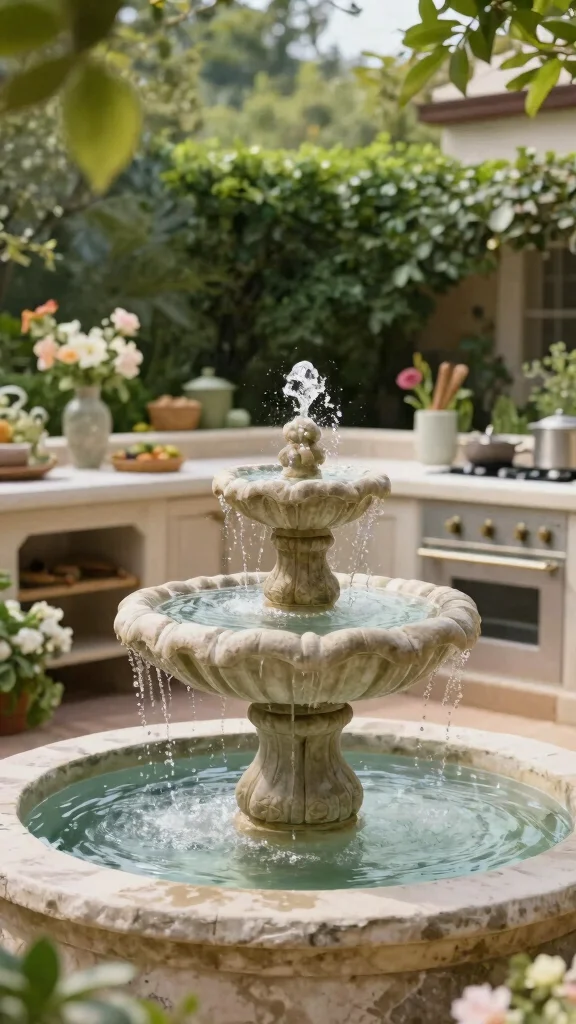
Are you seeking a serene atmosphere in your outdoor kitchen? Incorporating water features can add a refreshing touch to your space. A small fountain or pond creates a soothing ambiance with the gentle sounds of running water. Placing a water feature near your cooking area enhances the peaceful vibe while beautifying your space.
Types of water features to consider:
– Wall-mounted fountains for compact spaces.
– Mini ponds with aquatic plants and fish.
– Bubbling rock fountains for a natural touch.
Water features lend tranquility to your outdoor kitchen, transforming it into a relaxing retreat.
10. Seasonal Decor Touches
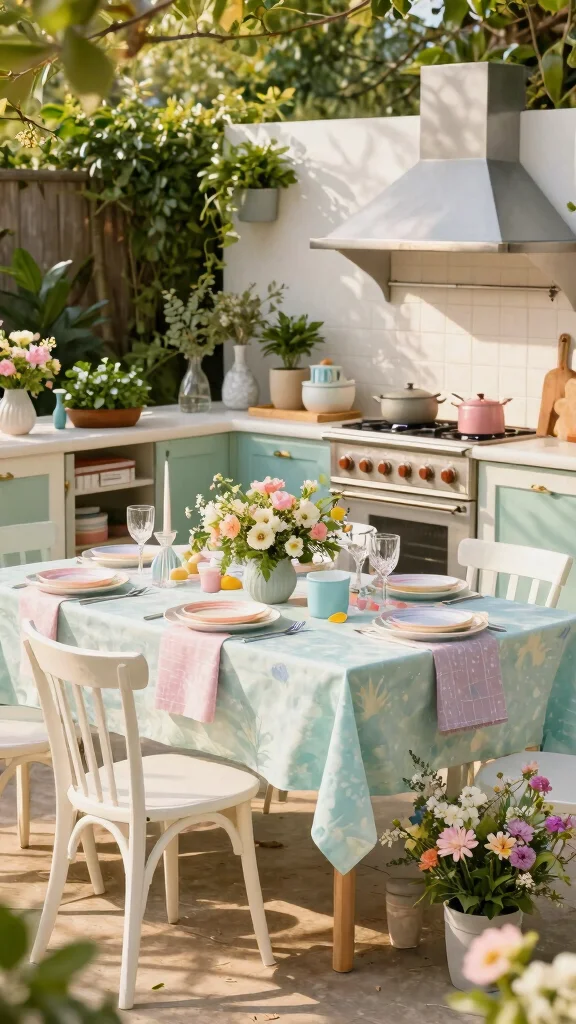
Do you want to keep your outdoor kitchen lively year-round? Adding seasonal decor touches can keep the space fresh and inviting. Incorporate colorful table settings, seasonal plants, and themed decorations to reflect the changing seasons. For instance, utilize pastels and floral arrangements in spring, while autumn can bring warm tones and pumpkins.
Decor tips:
– Use nature-inspired elements for authenticity.
– Change decor according to holidays or events for a festive touch.
– Include seasonal herbs in your cooking for an extra flavor boost.
By rotating your decor, your farmhouse outdoor kitchen remains vibrant and appealing for every gathering.
11. Personal Touches and Customization
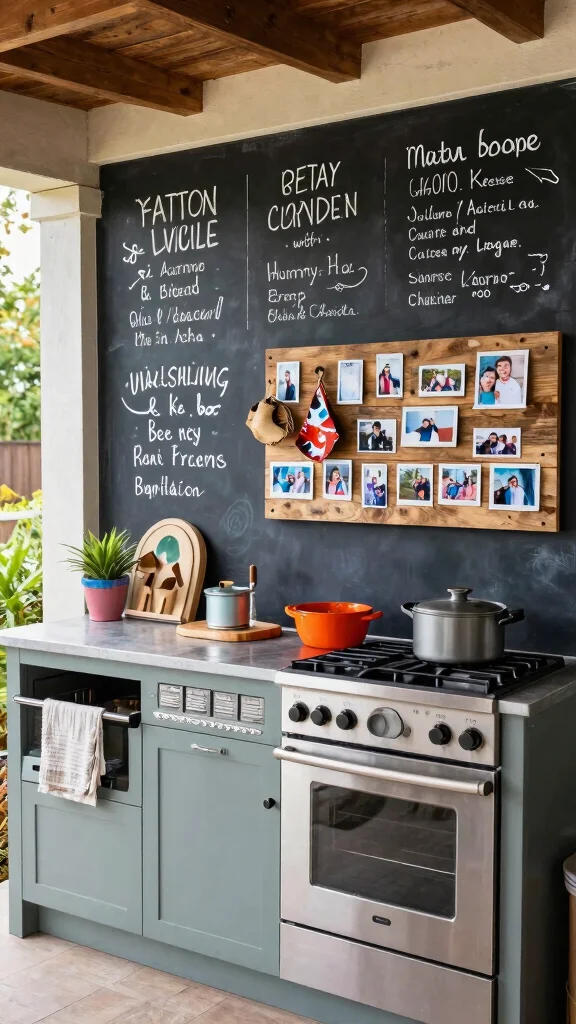
Are you ready to make your outdoor kitchen uniquely yours? Incorporating personal touches is essential for creating a space that reflects your style. Add custom features like a chalkboard wall for menus, personalized signage, or a gallery of family photos showcasing your cooking memories. Upcycled materials can express your creativity, enhancing the character of your kitchen.
Ways to personalize your space:
– Use DIY projects for custom decor.
– Incorporate items that reflect your personality or family history.
– Create a space that tells your story and invites others in.
Personal touches make your outdoor kitchen a true extension of your home, showcasing your love for cooking and family.
Conclusion
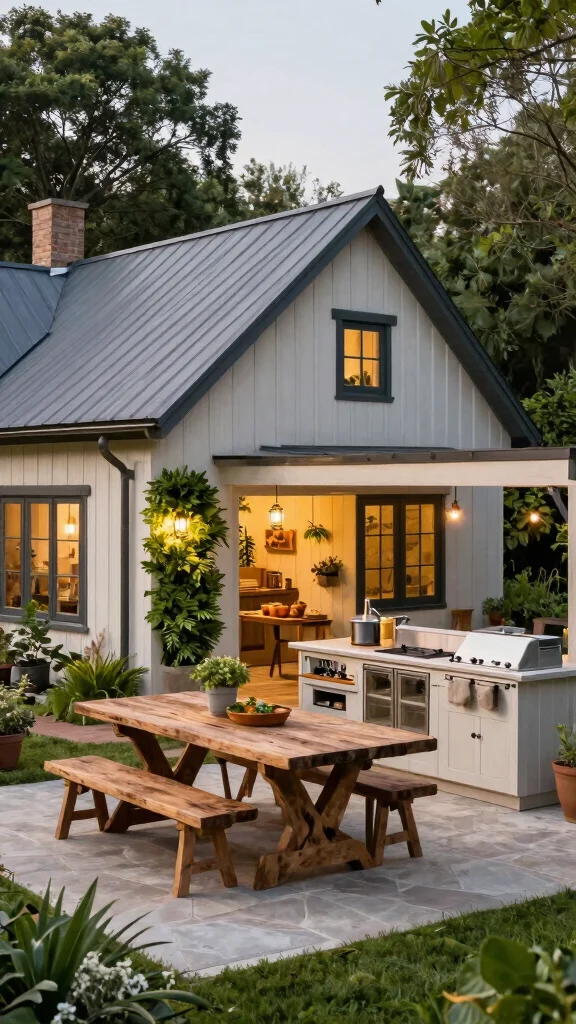
Creating a farmhouse outdoor kitchen is all about blending rustic charm with functional design.
From cozy fire pits to vertical gardens, each element contributes to a hardworking space full of character. As you embark on your outdoor kitchen journey, consider incorporating these ideas to reflect your style and love for gardening. Your backyard can become a unique gathering spot for family and friends, making outdoor cooking a delightful experience!
Note: We aim to provide accurate product links, but some may occasionally expire or become unavailable. If this happens, please search directly on Amazon for the product or a suitable alternative.
This post contains Amazon affiliate links, meaning we may earn a small commission if you purchase through our links, at no extra cost to you.
Frequently Asked Questions
What exactly is a farmhouse outdoor kitchen and how can it be both rustic and functional in an outdoor living space?
A farmhouse outdoor kitchen is a cooking and entertaining zone built to feel warm, sturdy, and approachable—just like a farmhouse kitchen, but designed for the outdoors. To keep it practical in an outdoor living space, zone the area into prep, cooking, and dining, use durable materials, and add weatherproof storage. Incorporate natural textures like stone, rough timber, and galvanized metal to boost character while staying low maintenance. Plan for good ventilation, a reliable water source, and lighting that works for evening meals so your rustic gathering spot stays useful year-round. If you want greenery without crowding, consider a vertical garden as a feature near the kitchen wall.
How can I add a vertical garden to a farmhouse outdoor kitchen without crowding the space?
Start by assessing sun exposure and how much wall space you can dedicate to greenery. Choose compact herbs and climbing plants that thrive near cooking zones, then install a vertical planter system, trellis, or wall-mounted pockets to keep surfaces clear. Use a simple irrigation plan or a drip line to reduce maintenance, and keep the plantings organized so they’re easy to harvest before cooking. Place the vertical garden within easy reach of the prep area for fresh flavor and a lush, rustic touch that complements the rustic garden design of the farmhouse setup.
What are the essential garden kitchen features to create a rustic garden design that stays convenient?
Focus on a few core garden kitchen features that blend charm with practicality: a built-in grill or smoker, a sturdy outdoor sink, and ample prep space with weatherproof countertops; weatherproof cabinetry and drawers for tools and staples; integrated herb beds or a dedicated planter wall from your garden kitchen features list; a dedicated waste and compost area to keep things tidy; and lighting and electrical outlets rated for outdoor use. Finish with comfortable seating and easy flow between cooking, cleaning, and dining to keep your outdoor cooking area both functional and inviting.
Which materials and farmhouse decor ideas work best for a durable outdoor cooking area?
Choose materials that age well and resist the elements, such as stone or brick for walls, concrete or granite for countertops, cedar or redwood for timber, and galvanized steel for accents. Stick to a warm, natural color palette that fits farmhouse decor ideas, and use open shelving with sturdy hooks for a lived-in look. Add vintage-style lighting, hammered metal hardware, and rustic signage to emphasize character while keeping maintenance simple. Prioritize sealed joints, proper drainage, and easy-to-clean surfaces so your outdoor cooking area stays durable year after year.
How can I maintain and maximize the use of a farmhouse outdoor kitchen through the seasons?
Protect the space with weatherproof covers and seasonal cleaning routines, and plan for heating or cooling options to extend usability in extreme weather. Rotate herbs and vegetables in the vertical garden to keep fresh ingredients at hand, and winterize plumbing and electrical fixtures if you’re in a cold climate. Use removable, washable textiles and easy-care furnishings so you can refresh the look with minimal effort. By aligning outdoor living space habits with seasonal planting and cooking needs, your farmhouse outdoor kitchen remains a welcoming hub year-round.
Related Topics
farmhouse outdoor kitchen
rustic garden design
outdoor cooking area
vertical gardens
farmhouse decor ideas
outdoor living space
garden kitchen features
DIY outdoor kitchens
seasonal gardening
cozy patio
entertaining outdoors
sustainable gardening