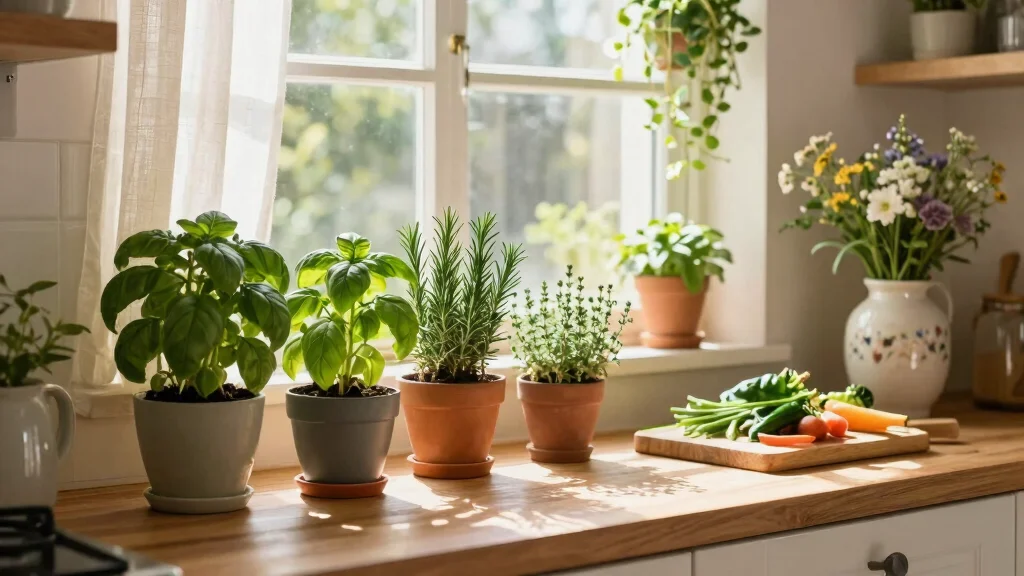
Creating an indoor kitchen herb garden is an irresistible thought, especially when you can reach for fresh ingredients while whipping up your favorite meals. The idea of growing your own herbs at home has me obsessed with kitchen herbs for cooking. Imagine snipping basil, cilantro, or rosemary right off your windowsill! If you’re someone who loves cooking or simply enjoys the beauty of plants, this post is for you.
I’ve put together twelve fantastic indoor kitchen herb garden ideas that are perfect for small spaces. Each option is designed to be stylish and practical, making it easier than ever to bring nature indoors. Whether you’re a seasoned gardener or a beginner, you’ll find something in this guide that excites you. From vertical wall planters to charming mason jar gardens, these ideas will keep your culinary adventures fresh and flavorful.
So, if you’re ready to make the most out of your indoor gardening experience, let’s dive into these inspiring indoor kitchen herb garden ideas. You’ll learn how to create a green oasis right in your own home, ensuring that fresh ingredients are always within arm’s reach.
Key Takeaways
– A kitchen herb garden is a great way to enjoy fresh ingredients right from your home, enhancing your cooking experience.
– Vertical wall planters and windowsill gardens maximize limited space while offering a stylish aesthetic.
– Different methods, like hydroponic systems and mason jar gardens, allow for creativity and personal expression in your indoor gardening.
– Self-watering planters can make herb care easier, providing a hands-off approach to maintaining your garden.
– Community herb gardens can foster collaboration and shared enjoyment of fresh ingredients, bringing people together through gardening.
1. Vertical Wall Planter: Maximizing Space and Style
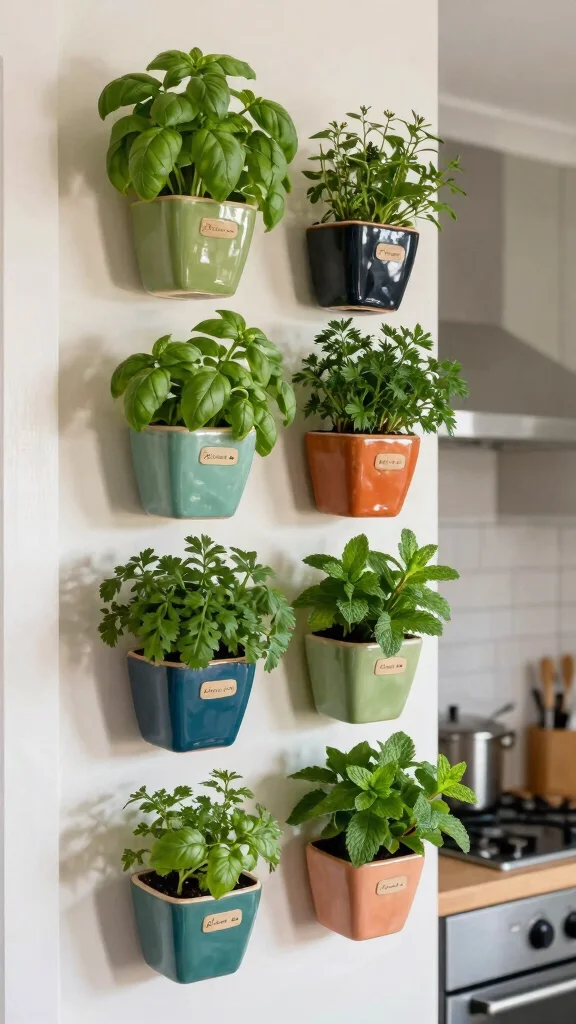
Feeling cramped in your kitchen? Turn those walls into a lush herb oasis with vertical wall planters! Not only do they save precious counter space, but they also add a pop of greenery to your cooking space. Imagine having fresh basil, parsley, and cilantro at your fingertips, all while enhancing your kitchen’s aesthetic with colorful pots.
Growing herbs vertically allows better air circulation and sunlight exposure, ensuring your plants stay vibrant and healthy. It’s a practical yet stylish choice for any culinary enthusiast.
Choose herbs that share similar light needs for best results. Remember to water them thoughtfully, as overwatering can lead to root issues. You can personalize your planters with fun labels, making it easy to identify your herbs.
1. Select a sunny wall in your kitchen.
2. Use wall-mounted planters or DIY with wood and pots.
3. Plant herbs that grow well together.
4. Water appropriately and enjoy your herb garden.
– Can I grow herbs in low light? Some herbs like mint and parsley can tolerate low light but flourish best in bright, indirect sunlight.
– How do I prevent pests? Regularly inspect your plants and keep the area around the planters tidy.
2. Windowsill Herb Garden: Nature’s Sunshine
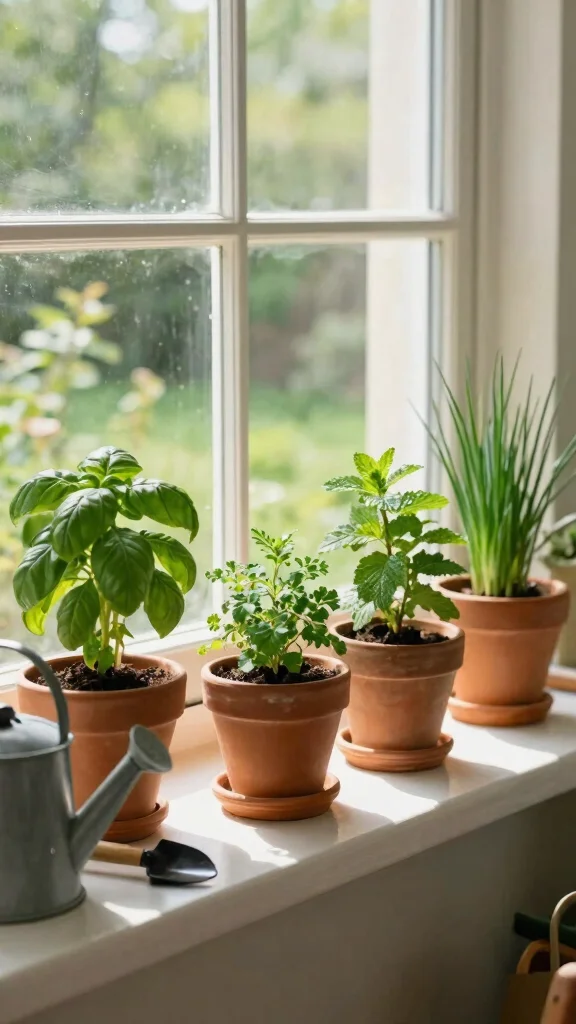
Do you have a sunny windowsill? It’s the perfect spot for a vibrant indoor herb garden! Arranging small pots along the window not only brightens your space but also provides your herbs with the sunlight they crave. Terracotta pots can add a touch of rustic charm, making your herbs not just functional but also beautiful.
Herbs like chives, oregano, and thyme thrive in this sunny environment and are always within reach for your cooking adventures. Plus, having fresh herbs at your fingertips elevates every dish.
Rotate your pots occasionally to ensure even light exposure and consider using saucers to catch any excess water.
1. Choose pots that match your kitchen style.
2. Plant a variety of herbs suited to your culinary needs.
3. Water regularly, ensuring the soil doesn’t dry out.
4. Trim your herbs to encourage bushier growth and prevent them from getting leggy.
– What herbs grow best on windowsills? Basil, mint, and rosemary are excellent choices.
– How do I know when to water? Stick your finger in the soil; if it’s dry an inch down, it’s time for a drink.
3. Hanging Herb Garden: Going Up!
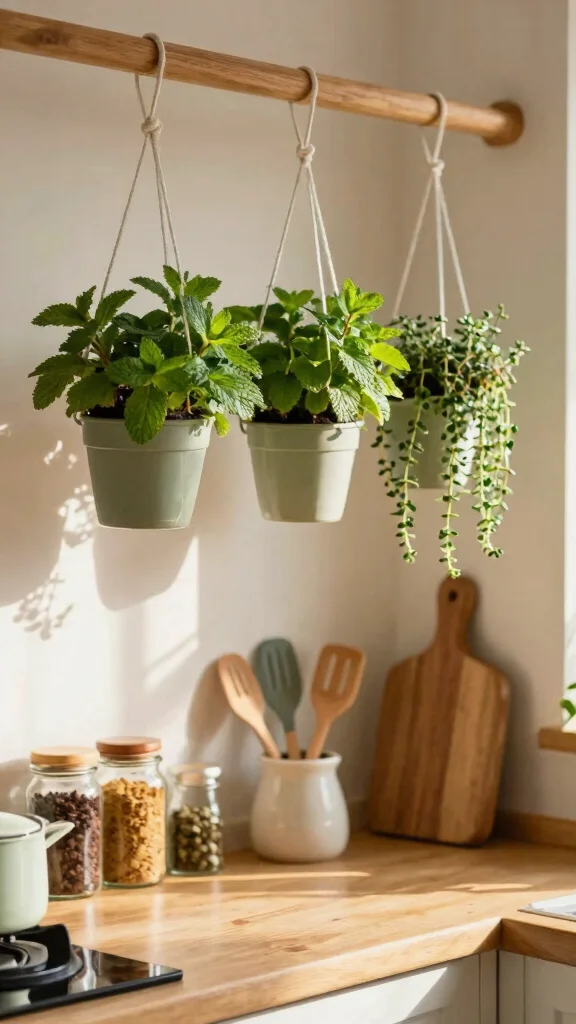
Looking for a creative way to garden in tight spaces? A hanging herb garden could be your solution! By suspending pots from hooks or ceiling brackets, you can grow beautiful herbs like trailing mint or creeping thyme in a way that maximizes space. The cascading greenery adds a delightful visual element to your kitchen.
This approach not only enhances your kitchen decor but also ensures excellent drainage for your plants. Plus, it’s a clever way to keep your herbs out of reach of curious pets.
Select lightweight pots and make sure the hanging system is secure. Regularly check the moisture levels to keep your herbs thriving.
1. Identify a sunny spot for hanging your pots.
2. Choose pots that align with your kitchen’s aesthetics.
3. Hang them at varying heights for added flair.
4. Water carefully, ensuring the soil stays moist but not soggy.
– Can herbs grow well when hanging? Yes, as long as they receive adequate light and care.
– What herbs are best for hanging? Trailing herbs like mint, oregano, and parsley are fantastic options.
4. Tiered Plant Stand: A Garden of Layers
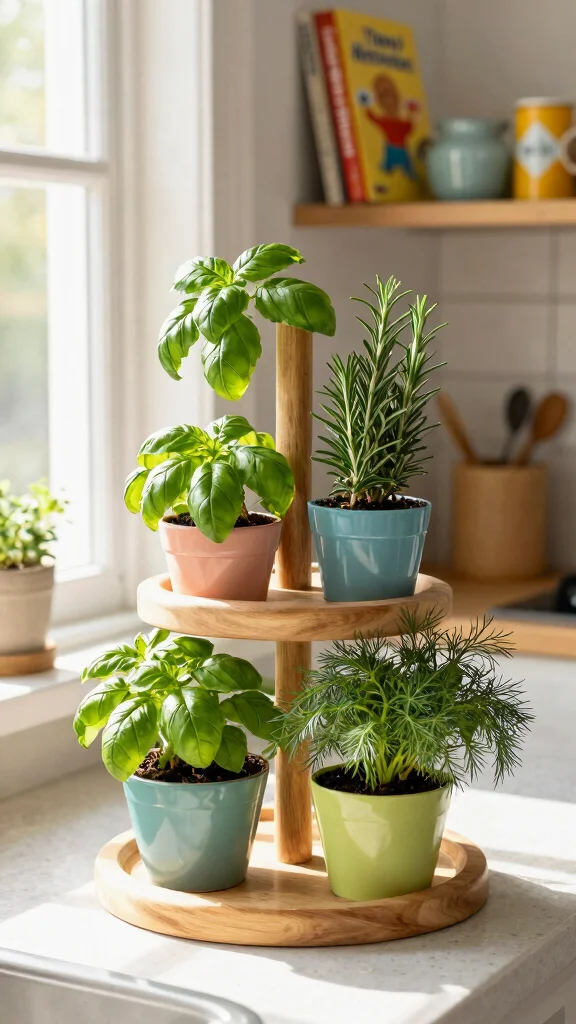
Struggling with limited space in your kitchen? A tiered plant stand could be your new best friend! This stylish solution allows you to grow multiple herbs vertically, creating a stunning focal point in your cooking space. Many tiered stands come in various materials and designs, making it easy to find one that suits your style.
This setup optimizes your space while providing a charming way to maintain different herb varieties. Plus, it’s easy to care for your plants when they’re all in one place!
Position slower-growing herbs on the upper tiers, reserving the bottom for those needing more sunlight.
1. Choose a tiered stand that fits your kitchen decor.
2. Plant different herbs on each level based on their light and growth needs.
3. Water and nourish them according to their specific requirements.
4. Regularly check for pests and signs of overwatering.
– How do I ensure my herbs get enough light on a tiered stand? Place the stand where it gets bright, indirect sunlight, and rotate the pots if necessary.
– Is it okay to mix herbs in one pot? Some herbs can be mixed, but avoid strong-flavored varieties with milder ones to prevent flavor contamination.
5. Mason Jar Herb Garden: Rustic and Charming
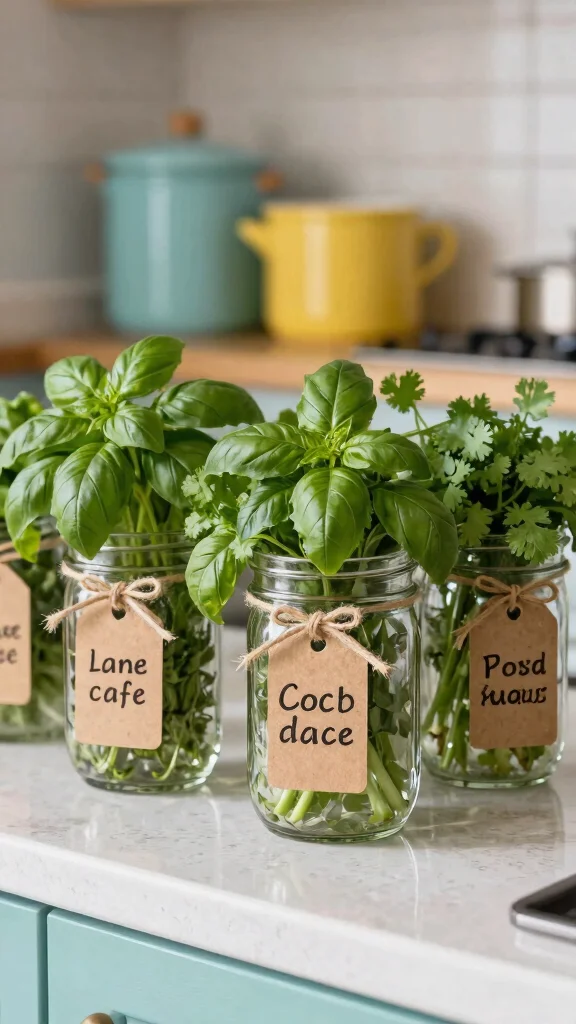
Feeling crafty? Mason jars can be a unique way to create a charming indoor herb garden! These versatile containers bring a rustic touch to your kitchen and can be personalized with labels or decorative twine. Position your jars on a windowsill or shelf for easy access to fresh herbs.
Mason jars allow for creative planting and display, making them a fun choice for any home cook. Plus, they can be a conversation starter when guests notice your stylish herb setup.
Make sure to add drainage holes if planting directly in the jars or use them as decorative covers for smaller pots.
1. Gather mason jars, potting soil, and herb seeds or small plants.
2. Add gravel to the bottom for drainage, then fill with potting soil.
3. Plant your herbs and label each jar for easy identification.
4. Position them in a well-lit area and water carefully.
– How often should I water mason jar herbs? Water whenever the top inch of soil feels dry.
– Can I grow herbs in any type of jar? Yes, just ensure proper drainage is available.
Fun fact: Mason jars can cradle up to six compact herbs in a single row, turning a windowsill into a kitchen herb garden indoor with rustic charm. Label them and enjoy fresh flavors daily.
6. Hydroponic Herb Garden: Soil-Free Growing
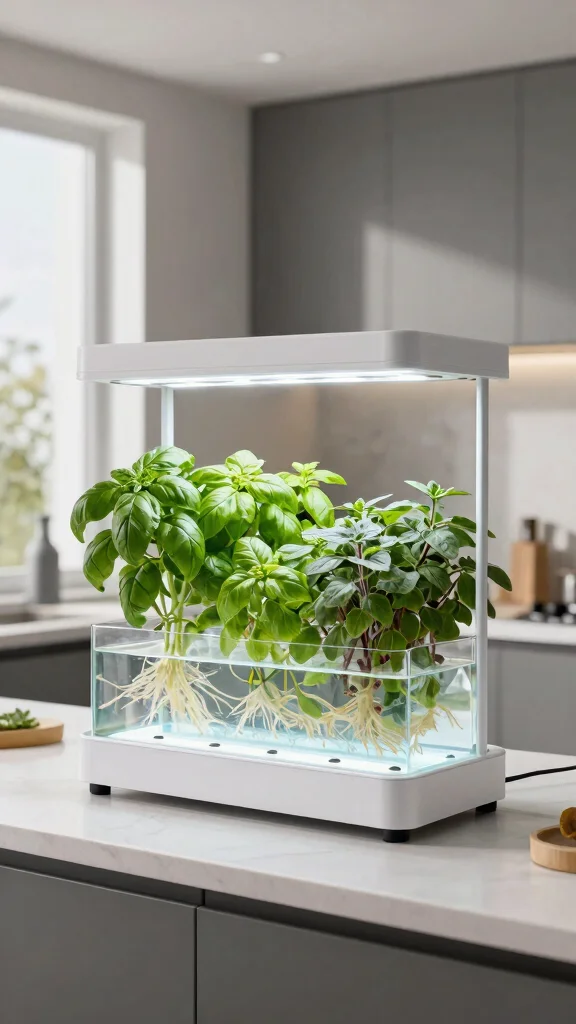
Interested in innovative gardening? A hydroponic herb garden is a fantastic option! This soil-free method allows you to grow herbs in nutrient-rich water, providing a clean and efficient way to cultivate fresh ingredients right on your kitchen counter. Many hydroponic systems are compact and user-friendly.
With hydroponics, herbs often grow faster and healthier, giving you the ability to control nutrients precisely. It’s a great way to ensure your plants thrive without the mess of soil.
Keep an eye on the pH and nutrient levels for optimal herb growth.
1. Purchase or build an indoor-friendly hydroponic system.
2. Fill the reservoir with water and add necessary nutrients.
3. Insert your herb seeds or seedlings into the system.
4. Monitor growth and adjust nutrient levels as needed.
– Is hydroponic gardening difficult? It may take some learning, but many beginner systems are straightforward to use.
– What herbs grow best hydroponically? Herbs like basil, cilantro, and mint do exceptionally well in hydroponic setups.
Key Trade-offs & Our Top Pick
When it comes to creating an indoor kitchen herb garden, your choice largely depends on space, style, and maintenance preferences. Here’s a breakdown of some popular options to help you decide.
1. Vertical Wall Planter
– Pros:
– Maximizes limited wall space.
– Adds a modern touch to your kitchen decor.
– Allows for easy access to herbs while cooking.
– Cons:
– Requires some wall drilling for installation.
– May need frequent watering if positioned in direct sunlight.
– Limited soil volume can affect plant growth.
– Best for: Small kitchens that need a stylish way to grow herbs.
2. Windowsill Herb Garden
– Pros:
– Utilizes natural sunlight for optimal growth.
– Simple to set up and maintain.
– Great for culinary enthusiasts who want fresh herbs at hand.
– Cons:
– Limited space for larger varieties of herbs.
– Can be affected by temperature changes near windows.
– Requires regular watering and monitoring.
– Best for: Anyone wanting a straightforward, low-maintenance herb garden right in their kitchen.
3. Hanging Herb Garden
– Pros:
– Saves counter space while being visually appealing.
– Easy to reach and care for herbs.
– Great for trailing herbs like oregano and thyme.
– Cons:
– Can be harder to water without making a mess.
– Requires sturdy ceiling hooks or supports.
– Limited space for growth can restrict larger herbs.
– Best for: Creative individuals wanting to showcase their herbs in a unique way.
4. Tiered Plant Stand
– Pros:
– Provides multiple levels for various herbs.
– Easy to rearrange and customize based on your preference.
– Can fit into corners or small areas effectively.
– Cons:
– May take up more space than other options.
– Requires regular watering to keep all levels hydrated.
– Can become cluttered if too many plants are added.
– Best for: Gardeners looking to grow a variety of herbs in a small footprint.
5. Hydroponic Herb Garden
– Pros:
– Soil-free method allows for faster growth.
– Often comes with built-in lighting for year-round growth.
– Reduces pests and diseases common in soil gardens.
– Cons:
– Higher initial investment compared to soil gardening.
– Requires knowledge of nutrient solutions and pH levels.
– Maintenance can be more technical for beginners.
– Best for: Tech-savvy individuals wanting to try modern gardening techniques.
Expert Recommendation:
Best Overall: Windowsill Herb Garden
The windowsill herb garden wins as the top choice for most people. It is affordable, easy to set up, and provides the necessary sunlight for herbs to thrive. You can enjoy an array of fresh kitchen herbs for cooking without needing extensive gardening experience or space.
Why We Picked This:
While the windowsill herb garden is our top pick, other options may suit different needs. If you have limited wall space, the vertical wall planter is a stylish solution. For those eager to experiment with technology, a hydroponic herb garden could be the right fit. Choose the option that best aligns with your kitchen space and gardening style.
7. Repurposed Furniture Herb Garden: Upcycling with Style
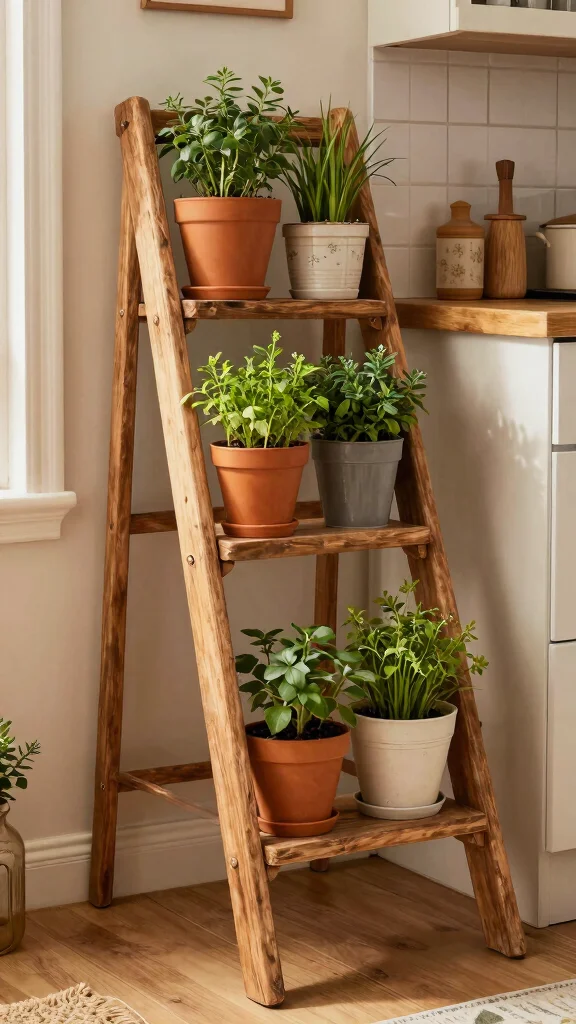
Have an old bookshelf or ladder lying around? Transform it into a charming herb garden! This eco-friendly approach not only saves space but also adds character to your kitchen. By arranging pots on different shelves, you can create a unique and personal herb display.
Upcycling furniture is budget-friendly and allows for creative customization, making your herb garden truly one-of-a-kind.
You might want to sand and paint the furniture to better match your kitchen decor for a polished look.
1. Find furniture that can hold pots securely.
2. Clean and prep the surface for planting.
3. Arrange your herbs in pots and place them on the shelves.
4. Water and maintain them like any other herb garden.
– Can I use any furniture? Yes, just make sure it can support the pots’ weight and has enough space for light.
– What herbs are best for this setup? Popular culinary herbs like thyme, rosemary, and sage work wonderfully.
8. Spice Rack Herb Garden: A Culinary Display
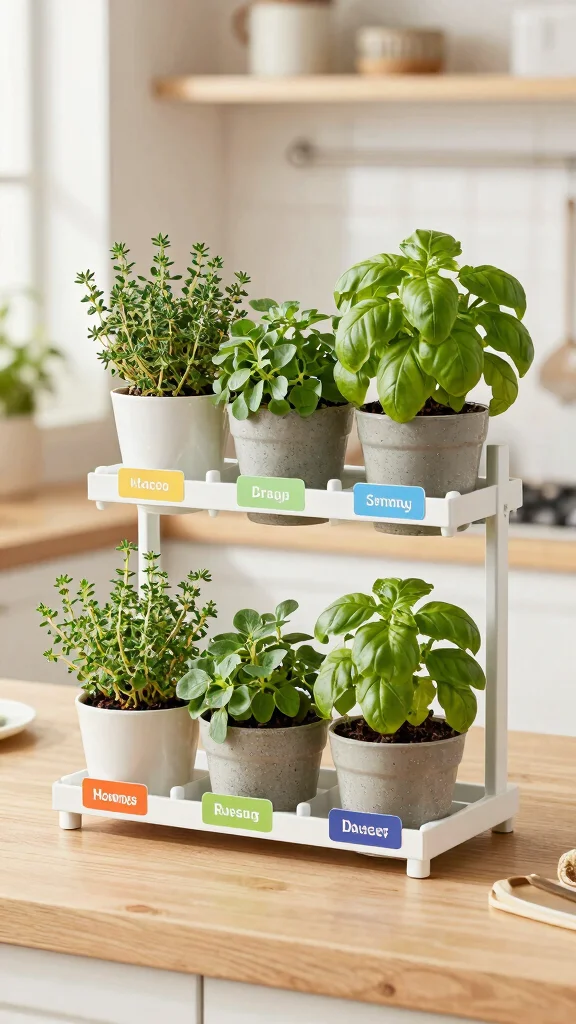
Why not turn a spice rack into a mini herb garden? This clever setup keeps your cooking essentials fresh and at arm’s reach while adding a decorative touch to your kitchen. Having herbs at eye level makes it easier to spice up your meals with fresh flavors.
A spice rack encourages you to use fresh herbs right when you need them, enhancing your culinary creations.
Keep a variety of herbs like basil, rosemary, and dill to ensure you have options for different dishes.
1. Choose a spice rack or similar shelving unit.
2. Select pots that fit the space and allow for adequate light.
3. Monitor growth, replacing herbs as needed for freshness.
4. Organize your herbs based on how often you use them for convenience.
– How do I maintain herbs on a spice rack? Water them regularly and ensure they get plenty of sunlight.
– Can I use dried herbs as well? Fresh herbs are best, but you can keep dried herbs on the same rack for quick access.
9. Tiled Vertical Garden: Artistic Flair
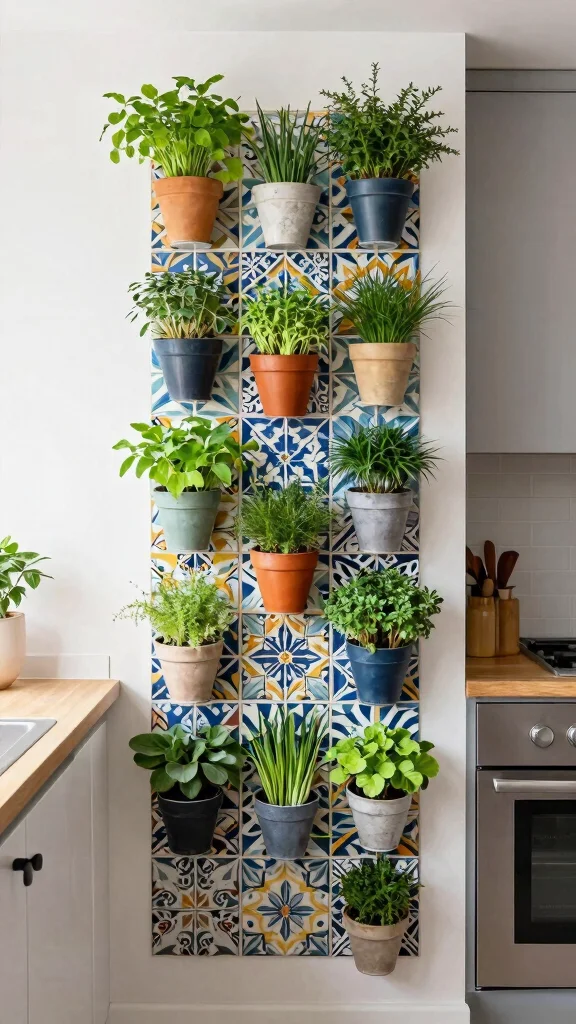
Looking to add a unique flair to your kitchen? A tiled vertical garden could be just what you need! By using tiles to create a decorative pattern, you can fill them with tiny herb planters, blending art and gardening in a compact space.
This design serves as a statement piece while providing you with fresh herbs right at your fingertips.
Ensure the tiles are securely affixed and choose herbs that will thrive in smaller spaces for the best results.
1. Select tiles that enhance your kitchen’s aesthetic.
2. Affix small pots or containers onto the tiles in a design you love.
3. Plant your herbs, ensuring they have adequate drainage.
4. Regularly check their moisture and sunlight needs for optimal growth.
– What herbs work best for a tiled garden? Small herbs like chives and mini varieties of others are great options.
– Can I use this method indoors? Yes, just provide sufficient light and care for your plants.
10. Self-Watering Herb Planters: Effortless Care
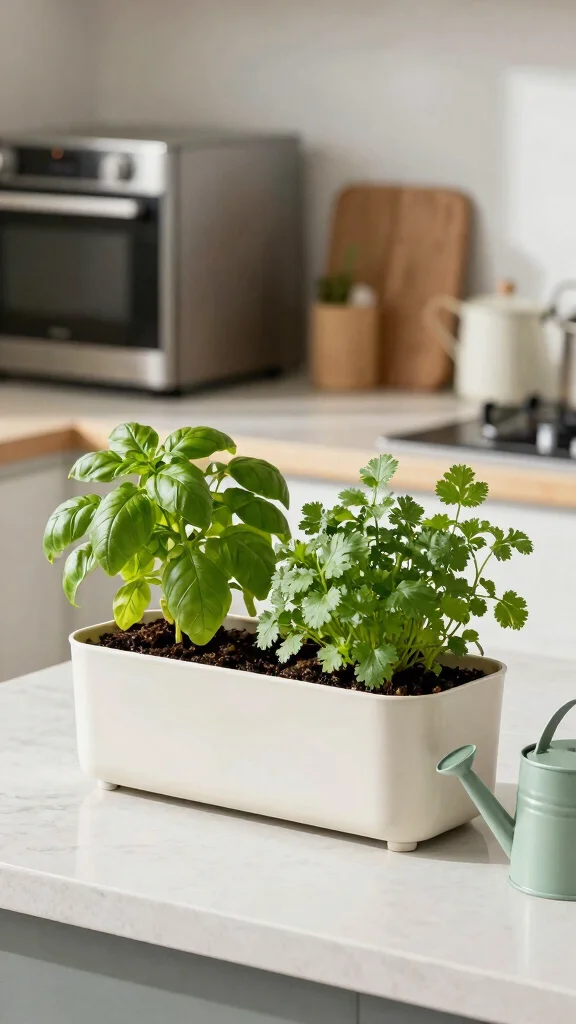
Do you often forget to water your plants? Self-watering planters are here to help! These innovative pots feature a reservoir that keeps the soil moist while allowing air to circulate through the roots, perfect for busy cooks who want fresh herbs.
They minimize the risk of overwatering and help maintain the right moisture level, making herb care a breeze.
Just remember to fill the reservoir correctly and check the water levels regularly for best results.
1. Purchase self-watering planters specifically designed for herbs.
2. Fill the reservoir and plant your herbs in the provided soil.
3. Regularly check water levels and refill as necessary.
4. Enjoy the ease of maintaining your thriving herbs.
– Are self-watering planters worth it? Yes, they simplify maintenance, ideal for busy lifestyles.
– What herbs work best in these planters? Most herbs thrive well, especially basil, mint, and parsley.
11. Decorative Herb Pots: Potting with Personality
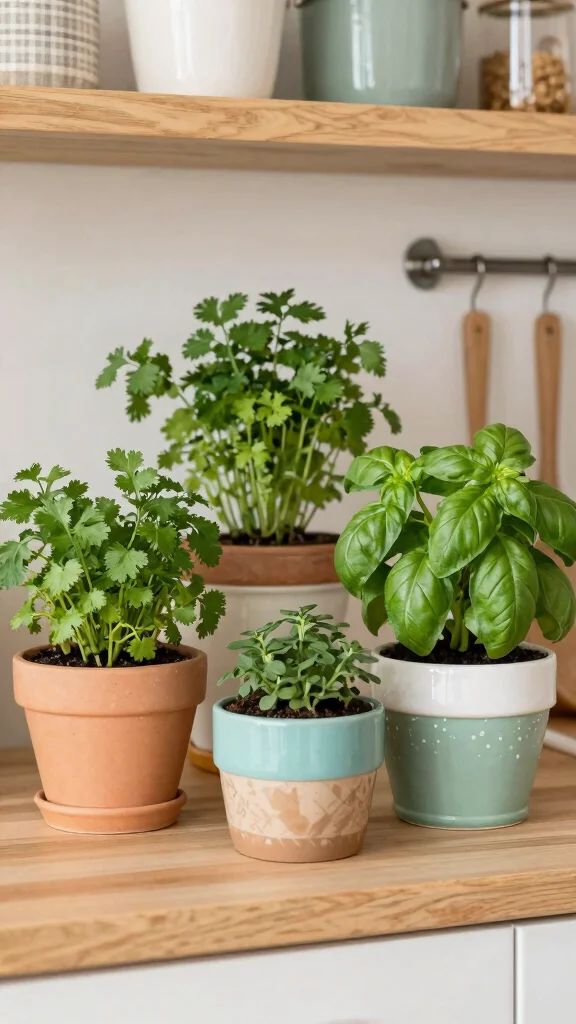
Want to brighten up your herb garden? Choosing decorative herb pots can make all the difference! Opt for colorful ceramic pots or whimsical designs that reflect your personality and style. This simple change can add vibrancy to even the most straightforward herb setup.
It’s a fun way to incorporate style into your gardening, enhancing your kitchen’s decor at the same time.
Mix and match various pot designs and sizes to create an eclectic look, but ensure all pots have proper drainage for healthy plants.
1. Select a variety of colorful and unique pots.
2. Plant herbs that suit your cooking preferences.
3. Arrange the pots artistically on a shelf or counter.
4. Water and maintain them as needed.
– Can I use any decorative pots? Just ensure they have drainage holes to support healthy herb growth.
– How often should I change the pots? Change them if your herbs outgrow their pots or if you want to refresh the look.
Fun fact: using 3–4 decorative pots in your kitchen herb garden indoor instantly boosts charm and accessibility. Mix colors and sizes to reflect your personality, while proper drainage keeps herbs happy and thriving.
12. Community Herb Garden: A Collaborative Green Space
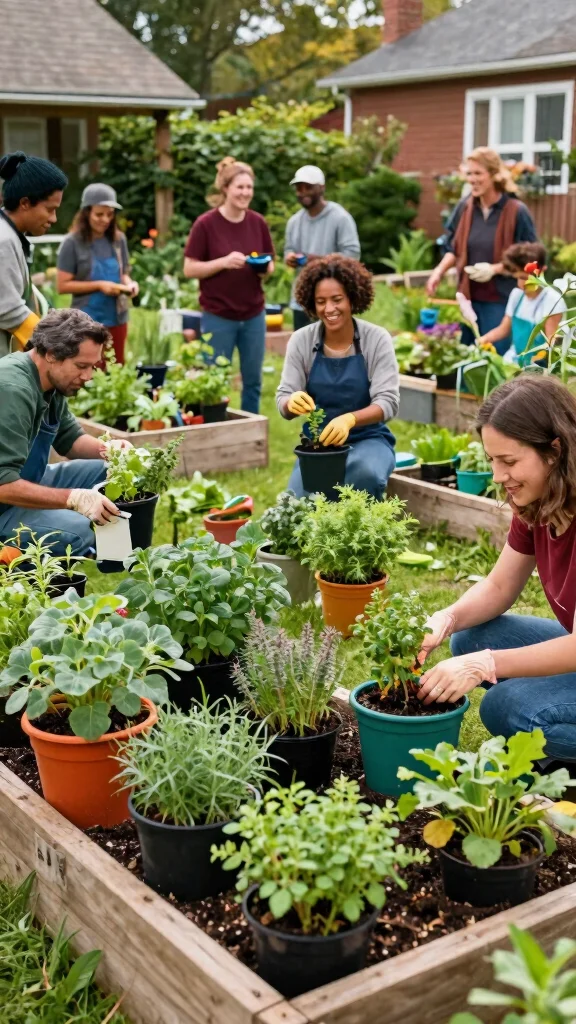
Have neighbors who share your passion for cooking? Starting a community herb garden could be a great idea! Collaborate to create a shared space where everyone can grow their favorite herbs, fostering friendship and community spirit while enjoying fresh ingredients.
This project encourages teamwork and allows for a wider variety of herbs to flourish, benefiting everyone involved.
Assigning specific herbs to each participant can help reduce competition and ensure everyone is engaged in the project.
1. Gather neighbors interested in the project.
2. Find a suitable shared space like a backyard or community plot.
3. Decide which herbs to plant and assign them to participants.
4. Maintain the garden together and enjoy the fruits of your labor.
– How do I organize a community garden? Start by discussing with neighbors and creating a plan for the space.
– What herbs are best for community gardens? Select a variety of popular culinary herbs everyone can enjoy.
Fun fact: community herb gardens can boost herb variety by up to 40%. When neighbors share the space, maintenance is cut by half. A kitchen herb garden indoor becomes more flavorful and inviting when everyone pitches in.
Conclusion
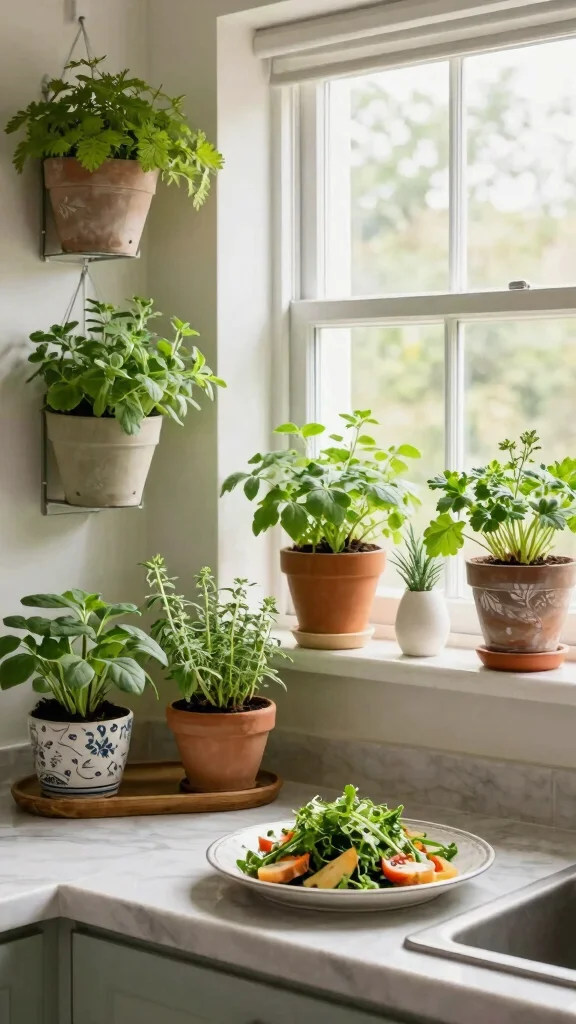
Embracing an indoor herb garden opens up a world of fresh flavors and vibrant greenery, no matter how small your space may be. From vertical planters to charming mason jars, there are countless ways to cultivate your love for herbs. With these 12 ideas, you can create a kitchen herb garden that’s not only practical but also a joy to behold.
Why wait? Start your indoor herb gardening adventure today and bring a little bit of nature into your cooking space. Your next culinary masterpiece awaits!
Note: We aim to provide accurate product links, but some may occasionally expire or become unavailable. If this happens, please search directly on Amazon for the product or a suitable alternative.
This post contains Amazon affiliate links, meaning we may earn a small commission if you purchase through our links, at no extra cost to you.
Frequently Asked Questions
Question: What are the best kitchen herb garden indoor setups for small spaces?
Answer: For small spaces, choose vertical or windowsill setups that keep herbs within arm’s reach. Think wall-mounted planters, tiered shelves, or a compact rolling cart. Place them in the sunniest spot you have—a bright windowsill herb garden or under a grow light to fuel indoor herb gardening success. Start with a few versatile herbs like basil, thyme, rosemary, and parsley for easy kitchen herbs for cooking. Water when the top inch of soil dries, prune regularly to promote bushy growth, and rotate pots so every plant gets light. With these moves you’ll have a practical kitchen herb garden indoor that fits a small space gardening mindset.
Question: Which herbs are easiest to grow indoors for cooking and why?
Answer: If you’re new to indoor gardening, start with forgiving, high-yield herbs like basil, parsley, chives, mint, and rosemary. They adapt well to container life, stay productive under bright indirect light, and offer quick flavor wins for kitchen herbs for cooking. Quick care tips: place them on a bright window or under a grow light, use well-draining potting mix, water when the top inch dries, and harvest regularly to encourage bushier growth. Plant mint in its own pot to keep it from taking over others. This is a great way to dip into indoor herb gardening without overwhelming yourself.
Question: How do I design a vertical indoor herb garden for a window or wall?
Answer: Start by assessing light (aim for at least 4–6 hours of bright light per day). Choose a vertical system: wall-mounted rails, tiered shelves, hanging pockets, or a slim tower. Attach planters securely and use a shallow, well-draining potting mix. Group sun-loving herbs (basil, oregano, thyme) toward the top, and partial-shade herbs (parsley, chives, cilantro) where light is a bit lower. Use labeled containers so you know what goes where. Install a small tray or liner to catch drips and simplify watering. Plant or transplant herbs, water evenly, and rotate positions if light shifts. This creates a kitchen herb garden indoor in a compact small space gardening footprint.
Question: What practical indoor gardening tips keep herbs thriving year-round?
Answer: Nail the basics: give herbs a bright spot with 6–8 hours of light per day, use well-draining soil, water when the top inch dries, and avoid overwatering. Feed with a balanced liquid fertilizer every 4–6 weeks during active growth. Prune regularly to encourage bushy growth and to harvest fresh leaves for cooking. Use proper containers with drainage holes and place a tray underneath to catch spills. For a steadier supply, group plants with similar light needs and rotate them so none get left in the shade. Finally, watch for pests and wipe leaves with a damp cloth or use mild soapy water if needed. Applied consistently, these indoor gardening tips keep your kitchen herb garden indoor thriving year-round.
Question: How can I maintain a kitchen herb garden indoor without a big space or messy setup?
Answer: Go compact and tidy with a windowsill or small vertical unit. Use self-watering pots or stackable planters labeled and lined to catch drips, and keep a dedicated watering routine. Place your setup on a sunlit windowsill herb garden or under a compact grow light to support year-round growth. Choose a few dependable staples—basil, parsley, chives, and cilantro—and keep them in separate containers to avoid overcrowding. Clean as you go: wipe spills, trim stems after cooking, and empty the tray weekly. With these simple tactics, maintaining a kitchen herb garden indoor becomes easy, even in small space gardening conditions.
Related Topics
indoor herb garden
small space gardening
windowsill herbs
kitchen gardening
fresh ingredients
vertical gardening
beginner friendly
herb care tips
DIY herb garden
compact gardening
culinary herbs
easy indoor plants