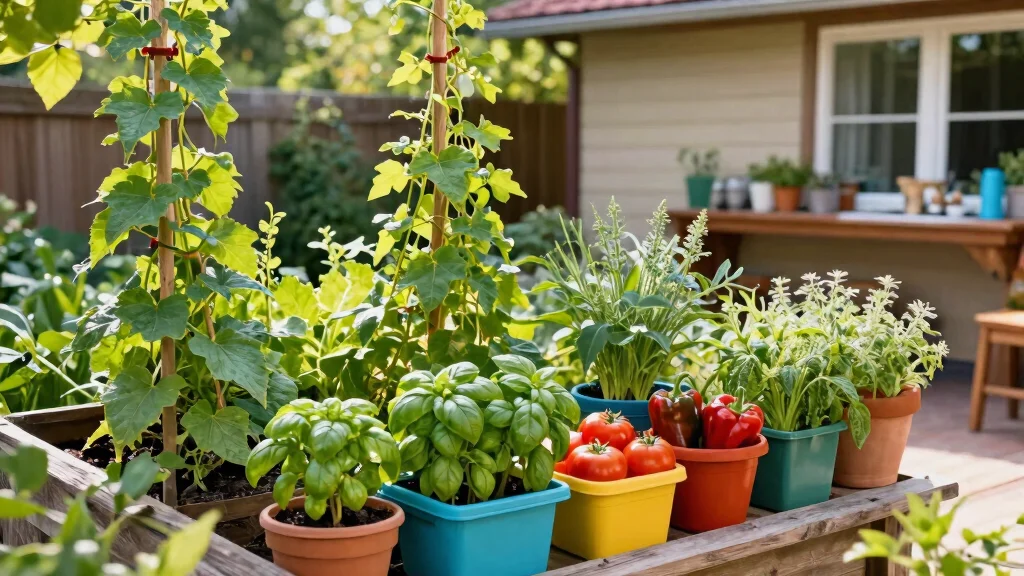
Creating a kitchen garden right outside your door is a dream for many. It’s that tempting thought of picking fresh herbs or vegetables just steps away from your kitchen. As the world becomes more urbanized, having a small, productive garden has never been more appealing. That’s why I put together this post filled with 14 kitchen garden ideas to inspire you. Whether you’re limited on space or just starting, these ideas will help you create a beautiful and efficient growing space.
If you’re someone who loves gardening but struggles with limited outdoor space, you’re in the right place. This guide is crafted for urban dwellers, apartment residents, and anyone eager to embrace the joys of homegrown food. You’ll find practical solutions that fit your lifestyle, no matter how small your area may be. Each kitchen garden idea is designed to be manageable and visually appealing, making your space both functional and beautiful.
What can you expect from this collection? You’ll discover creative ways to implement container gardening, construct raised beds, and design charming herb gardens. Each idea provides tips and tricks to maximize your space and yield. You’ll not only find inspiration but also actionable steps to help you create your own green oasis.
Key Takeaways
– Explore vertical gardening: Use wall space to grow herbs and veggies, perfect for small areas and adds visual appeal.
– Container gardening offers flexibility: Grow your favorite plants in pots that can be moved to catch the sun or fit your style.
– Raised bed gardening creates structure: Design organized planting areas that improve drainage and soil quality, making your garden easier to manage.
– Incorporate an herb spiral: This compact design maximizes space while providing a variety of herbs at different heights for easy access.
– Plan for seasonal planting: Learn how to schedule your planting to ensure a continuous harvest throughout the year, maximizing productivity.
1. Vertical Gardening: Go Up, Not Out
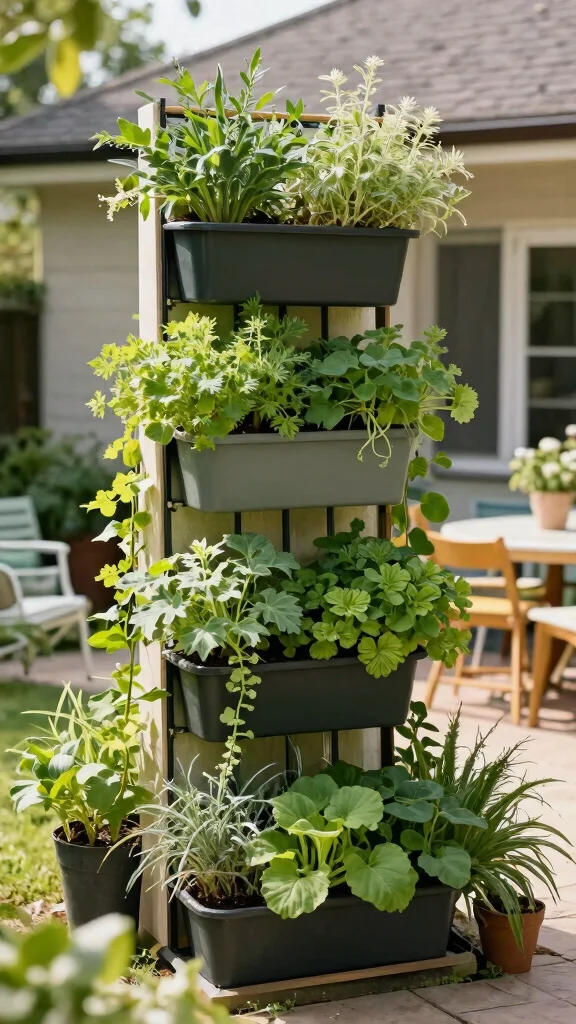
Are you short on space but still dream of a garden? Vertical gardening could be your ideal solution! By growing plants upwards on walls and trellises, you maximize your area while creating a stunning green display. Imagine fresh herbs and veggies cascading down from your living wall, bringing both beauty and bounty to your space.
This method not only saves ground space but also enhances your garden’s aesthetic and makes it easier to manage. You can grow aromatic herbs and vibrant veggies without sacrificing style or functionality.
Popular vertical gardening ideas include:
– Living walls: Install wall-mounted planters filled with herbs like chives, cilantro, or even strawberries.
– Trellises for climbing plants: Beans, cucumbers, and peas thrive when they can climb. Train them up a trellis or lattice for an eye-catching display.
– Hanging baskets: Perfect for smaller spaces, these can be used for ornamental plants or herbs.
With creative vertical arrangements, your garden can become not just productive but a true work of art.
2. Edible Wall Art: A Living Masterpiece
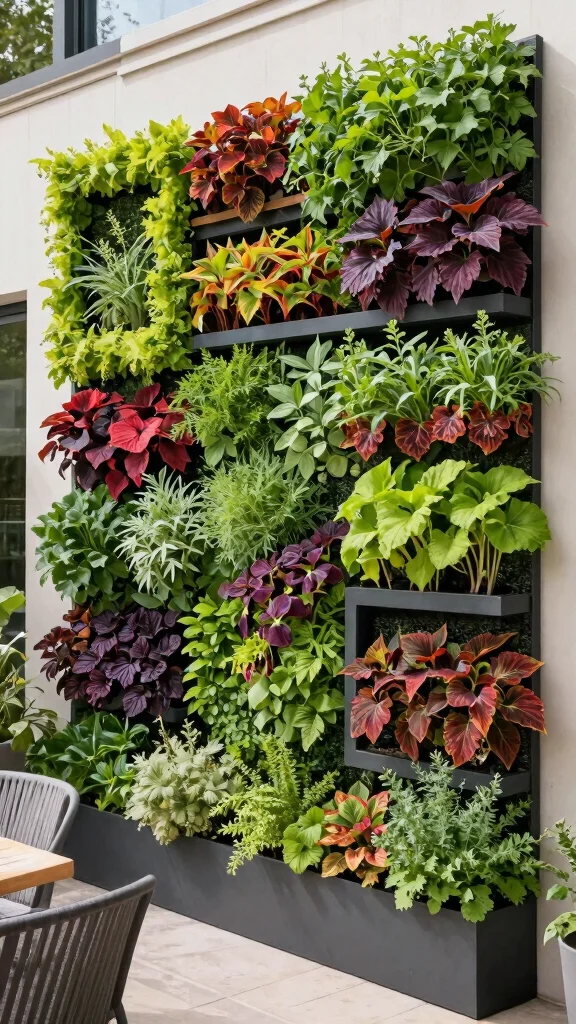
Ever thought about turning your walls into a feast for the eyes? With edible wall art, you can create a beautiful living mural using vertical planters filled with colorful herbs and small vegetables. Imagine a vibrant display of rainbow chard and flowering herbs right in your kitchen garden!
This delightful approach offers a feast for both the eyes and the palate. Not only does it look stunning, but it also provides you with fresh ingredients at your fingertips.
Consider these tips for a stunning edible wall:
– Color coordination: Choose plants with varied leaf colors to create contrast.
– Seasonality: Plant herbs and veggies that thrive in your specific climate for year-round beauty.
– Maintenance plan: Ensure that your living wall is easily accessible for watering and harvesting.
This creative method serves as a conversation starter and a unique way to celebrate nature.
3. Container Gardening: Flexibility at Its Best
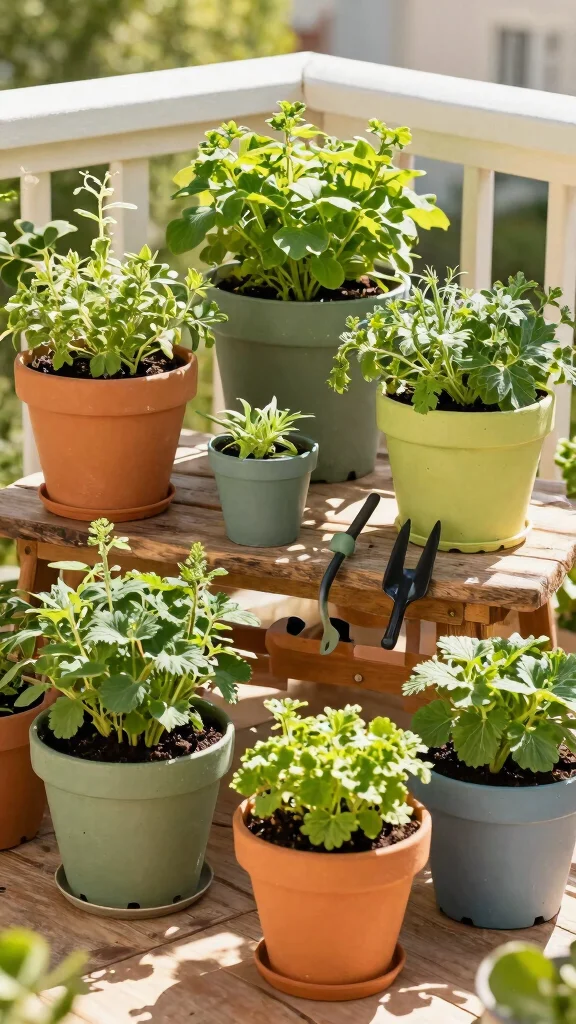
Do you want to garden without the commitment of a traditional plot? Container gardening gives you the flexibility to grow anywhere! Whether it’s on a balcony, patio, or even kitchen countertops, pots can create a portable garden that suits your space.
Choosing the right containers can complement your home’s decor while providing fresh ingredients. You’ll enjoy the convenience and beauty of your plants wherever you want!
Here’s how to maximize your container garden:
– Drainage is key: Make sure your pots have holes at the bottom to prevent waterlogging.
– Plant selection: Choose compact varieties of vegetables and herbs that thrive in containers, like dwarf tomatoes, peppers, and basil.
– Group plants together: Create beautiful arrangements by grouping plants with similar watering needs.
This method allows you to rearrange your garden layout easily, adapting to sunlight and visual appeal.
4. Raised Bed Gardening: A Structured Approach
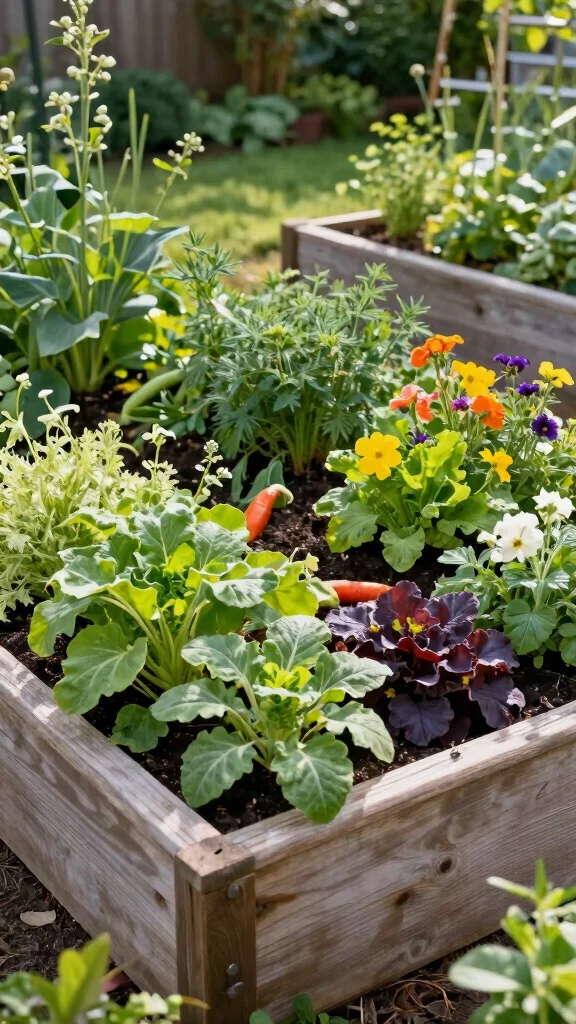
Are you looking for a better way to organize your garden? Raised bed gardening provides a structured approach that’s perfect for vegetable planning! These beds offer improved drainage and soil control while elevating your plants for easier maintenance.
Imagine a tidy, organized layout that not only boosts productivity but also reduces strain on your back while gardening.
To get the most out of raised bed gardening:
– Choose the right materials: Use untreated wood, bricks, or stones that are non-toxic to your plants.
– Soil quality: Fill your beds with a mix of high-quality soil and compost to promote healthy growth.
– Plan your layout: Consider companion planting to optimize space and discourage pests.
With raised beds, you can cultivate a beautiful and productive kitchen garden that’s easy to maintain.
5. Herb Spiral: A Compact Wonder
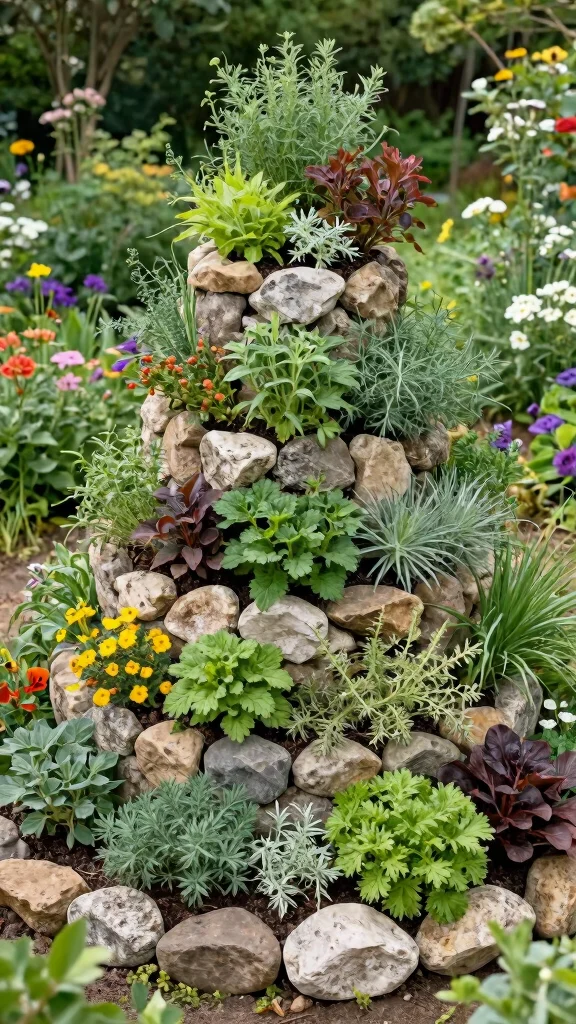
Looking for a unique way to grow herbs? An herb spiral is a fantastic solution that maximizes space while creating a visually stunning feature in your garden. This spiral design allows for varying microclimates, letting you grow a wide variety of herbs in a small footprint.
You’ll enjoy the aesthetic appeal as well as the functional benefits of having fresh herbs at your fingertips.
When planning your herb spiral:
– Start with a base: Use bricks or stones to construct a spiral that’s both functional and attractive.
– Choose your herbs wisely: Incorporate herbs that prefer different moisture levels, like rosemary at the top and basil at the bottom.
– Watering considerations: Ensure the top stays dry while the lower parts remain consistently moist.
This beautiful feature doubles as a functional herb garden and a captivating landscape element.
Fun fact: A well-planned herb spiral can fit over 15 herbs in a 4-foot footprint, thanks to stacked microclimates. In the realm of kitchen garden ideas, you’ll harvest fresh herbs at your fingertips—basil up top, dill and chives lower, all in one beautiful, compact feature.
6. Pallet Gardens: Upcycling at Its Finest
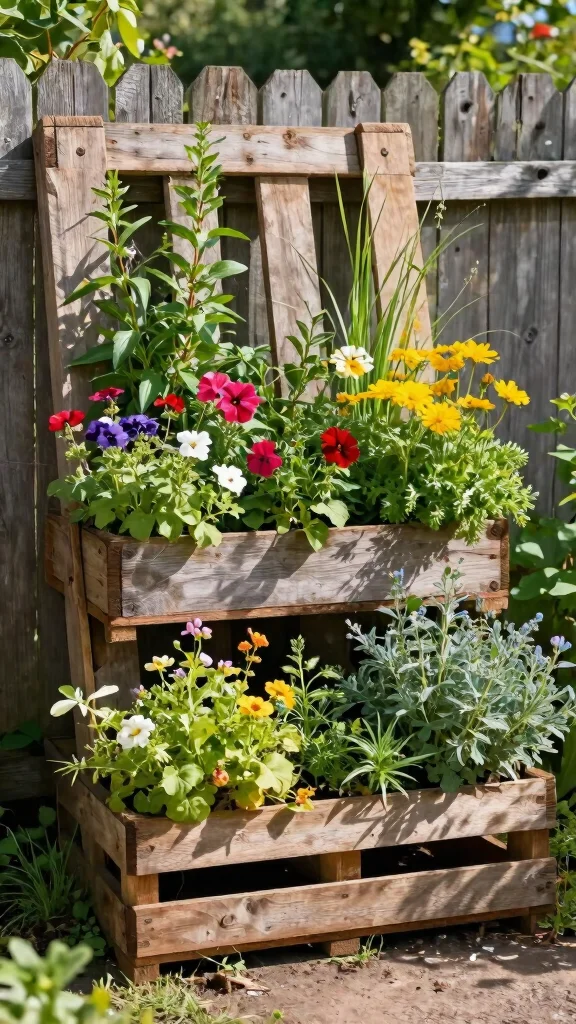
Are you ready to get creative with your garden? Repurpose old wooden pallets into charming vertical gardens! Pallet gardening is an eco-friendly way to create a unique growing space for herbs, flowers, or even small vegetables.
You can hang them on walls, lean against fences, or place them flat in a sunny spot for a rustic touch.
For an engaging pallet garden:
– Select a sturdy pallet: Ensure it’s in good condition and free from harmful chemicals.
– Fill with soil: Add landscape fabric to hold the soil and plants in place.
– Choose the right plants: Opt for shallow-rooted species like herbs or lettuce.
This affordable project allows you to introduce greenery while promoting sustainability and creativity.
7. Window Boxes: A Touch of Charm
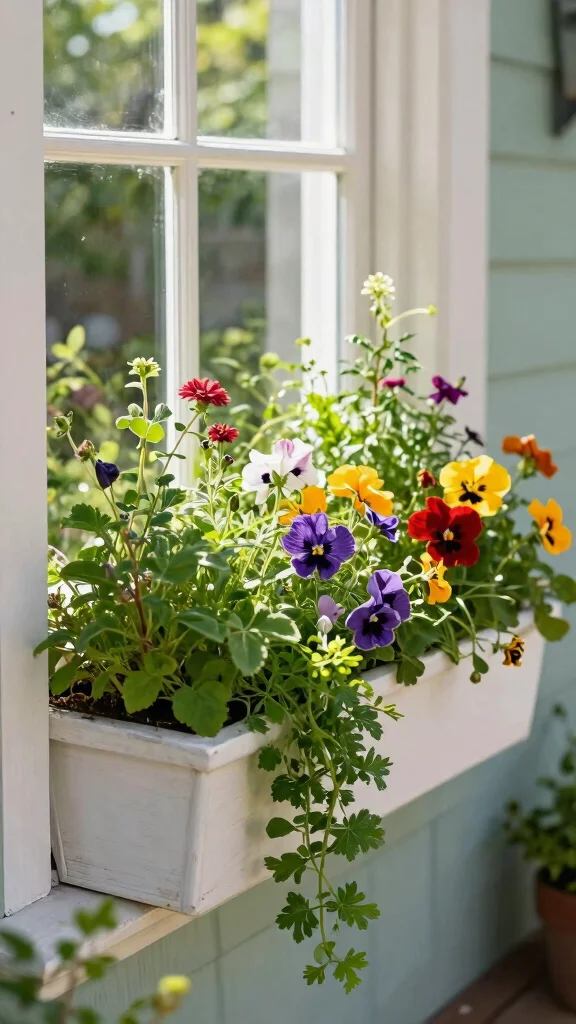
Do you want to add charm to your home while growing fresh produce? Window boxes are a delightful way to grow herbs and compact vegetables right by your windowsill or railing.
Not only do they beautify your living space, but they also provide easy access to fresh ingredients while you cook.
To create an attractive window box:
– Choose appropriate sizes: Select boxes that can accommodate the plants you want to grow.
– Drainage holes are crucial: Ensure they can drain properly to avoid root rot.
– Mix and match: Combine various herbs and edible flowers for a stunning display.
Window boxes enhance your kitchen garden’s charm and make cooking with fresh herbs a breeze.
How To Choose The Right Vertical Kitchen Garden Setup
When creating a vertical kitchen garden, it’s essential to consider several factors to ensure a successful growing space. These gardens are perfect for small areas and can be both beautiful and productive. Here’s how to make the best choice for your vertical gardening needs.
1. Space Available
Begin by measuring the space you have available for your vertical garden. Consider the height of the area, as some plants grow tall while others spread out. Make sure to account for sunlight exposure, which is crucial for plant growth. A wall, balcony, or fence can serve as excellent backdrops for your vertical garden setup.
2. Plant Selection
Choosing the right plants is vital. Some plants thrive in vertical spaces, such as herbs, leafy greens, and trailing vegetables. Think about what you like to eat and what grows well in your climate. Mixing plants that have different light, water, and nutrient needs can create a more dynamic and productive vertical garden.
3. Container Types
Depending on your style and budget, you can opt for various container types. Wall planters, hanging pots, or even repurposed materials like pallets and crates can work wonders. Make sure the containers have proper drainage to prevent water from pooling and damaging the roots. If you’re tight on space, consider vertical containers that stack upward.
4. Watering System
An effective watering system is essential for a healthy vertical garden. Self-watering containers can help maintain moisture levels, while drip irrigation systems can deliver water directly to the roots. You may also need to set up a regular watering schedule based on your plant choices and environmental conditions.
5. Budget Considerations
Before you start, establish a budget that covers materials, soil, plants, and any additional tools you may need. Vertical gardening can range from inexpensive DIY projects to more elaborate systems. Set realistic expectations for your spending to avoid overspending while still creating the garden of your dreams.
6. Maintenance Practices
Finally, think about how much time you can commit to maintaining your vertical garden. Some plants require regular pruning and harvesting, while others are more low-maintenance. Be realistic about your gardening commitment to ensure your vertical kitchen garden remains healthy and thriving.
Pro Tip: Start small with a few containers or a single wall. As you gain confidence and experience, you can expand your vertical garden and experiment with new plants. This approach allows you to learn and adapt without becoming overwhelmed. Happy gardening! 🌱
8. Herb Garden Design: A Culinary Retreat
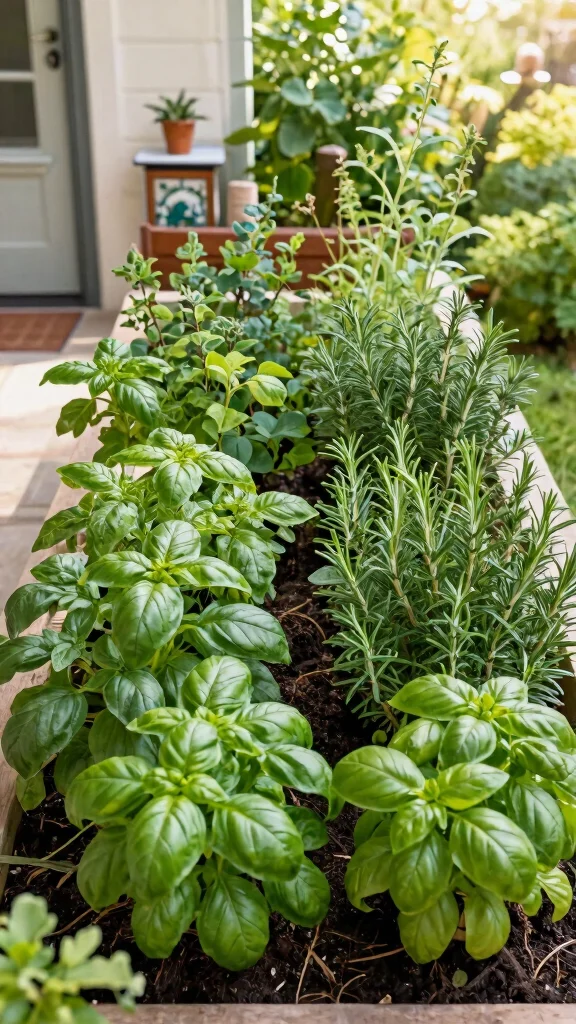
Do you dream of having a dedicated space for fresh herbs? Creating a herb garden in your kitchen area brings easy access to aromatic flavors like basil, parsley, rosemary, and thyme.
This designated area can be a small plot or pots right by your kitchen door, making it functional and beautiful.
Consider these tips for designing your herb garden:
– Location is key: Pick a spot with plenty of sunlight and easy access.
– Use companion plants: Pair herbs with flowers to attract pollinators and beneficial insects.
– Regular maintenance: Prune and harvest regularly to encourage growth and prevent overcrowding.
This space becomes a culinary retreat, offering fresh flavors to elevate your meals.
9. Food Forests: A Bountiful Ecosystem
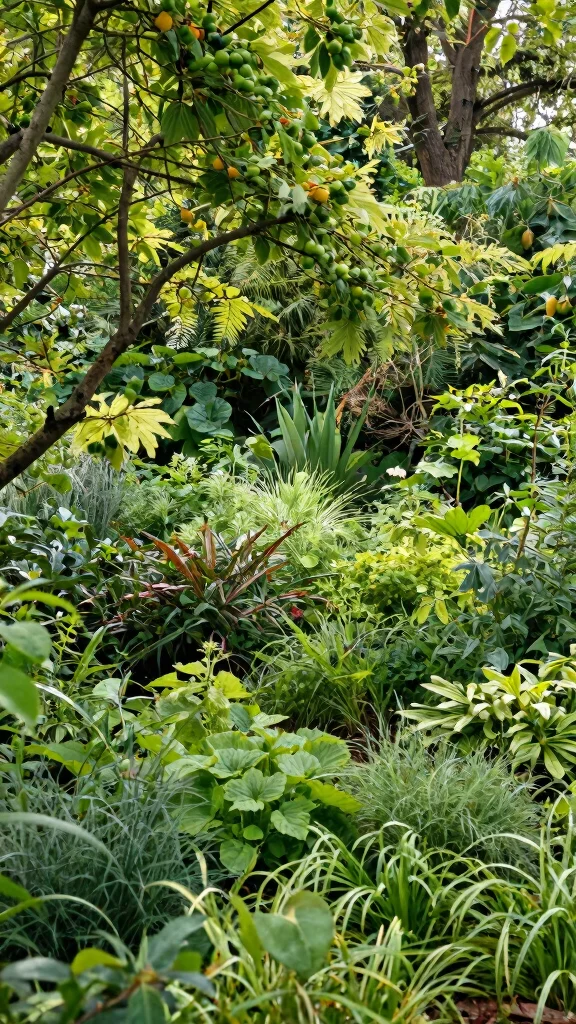
Ready to transform your garden into a thriving ecosystem? A food forest utilizes layers of plants to create a mini-haven of biodiversity. You can grow fruit trees, shrubs, perennial vegetables, and herbs, all working together in harmony.
This method not only produces a diverse harvest but also supports wildlife and pollinators.
Here’s how to create your food forest:
– Layering plants: Use tall trees, smaller trees or shrubs, understory plants, and ground cover to maximize space.
– Diverse planting: Incorporate various plants to support biodiversity and pest control.
– Organic practices: Focus on organic gardening to maintain healthy soil and plants.
A food forest is a sustainable approach that gives you fresh produce while nurturing the environment.
10. Community Garden: Grow Together
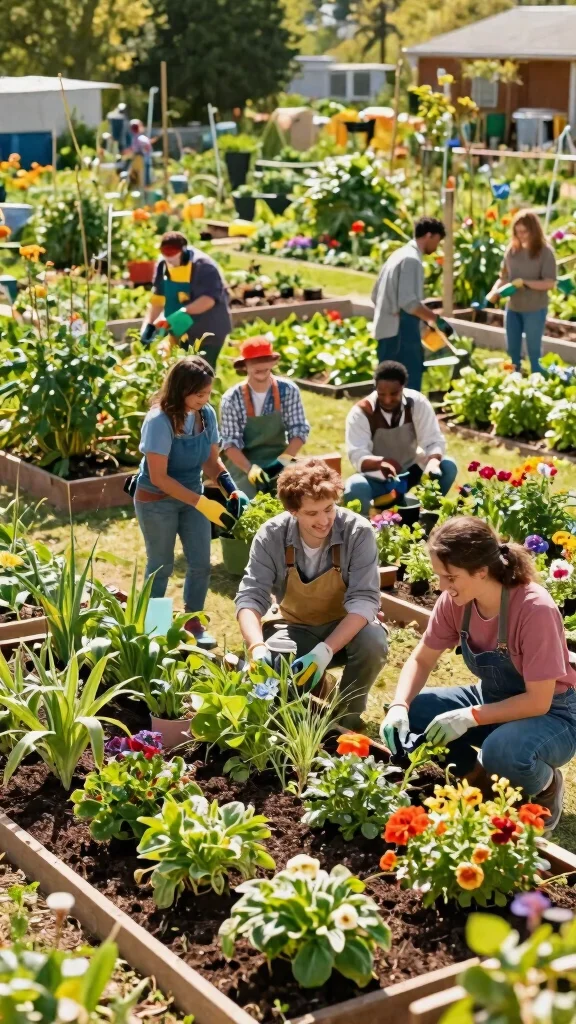
Have you ever thought about creating or joining a community kitchen garden? These shared spaces allow you to connect with neighbors and cultivate a love for gardening while sharing the harvest.
It’s a fantastic way to learn urban gardening tips and work together for a bountiful yield.
Key aspects of a thriving community garden include:
– Organized structure: Create roles for gardeners and establish guidelines.
– Regular meetings: Discuss plans and maintenance as a group to build camaraderie.
– Variety in planting: Encourage members to plant a diverse range of crops, benefiting everyone involved.
Community gardens not only provide fresh produce but also foster relationships and a sense of community spirit.
Fun fact: Community kitchen gardens can boost yields by up to 35% when neighbors share plots and tips. As part of kitchen garden ideas, grow together, learn urban gardening hacks, and turn small spaces into thriving, tasty spaces.
11. Kitchen Garden Planning: Layout Ideas
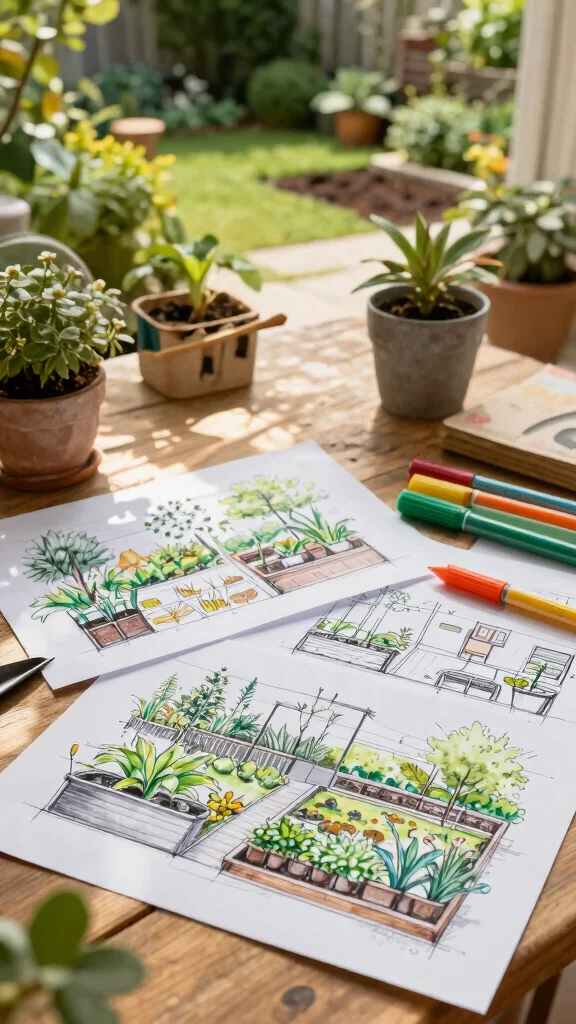
Are you looking to boost the productivity of your kitchen garden? Effective planning is crucial to making the most of your space. Taking the time to sketch out your garden layout ensures every square foot is utilized efficiently.
Consider a grid or linear layout to keep your growing area organized and manageable.
Things to consider in your planning:
– Sunlight and shade: Map out areas with direct sunlight for sun-loving plants while accounting for shaded spots.
– Companion planting: Plan your layout around plants that benefit each other, like tomatoes with basil.
– Accessibility: Ensure every area is reachable for watering and harvesting.
A well-thought-out plan makes gardening enjoyable and less stressful, leading to a fruitful harvest.
12. Seasonal Planting: Maximize Your Harvest
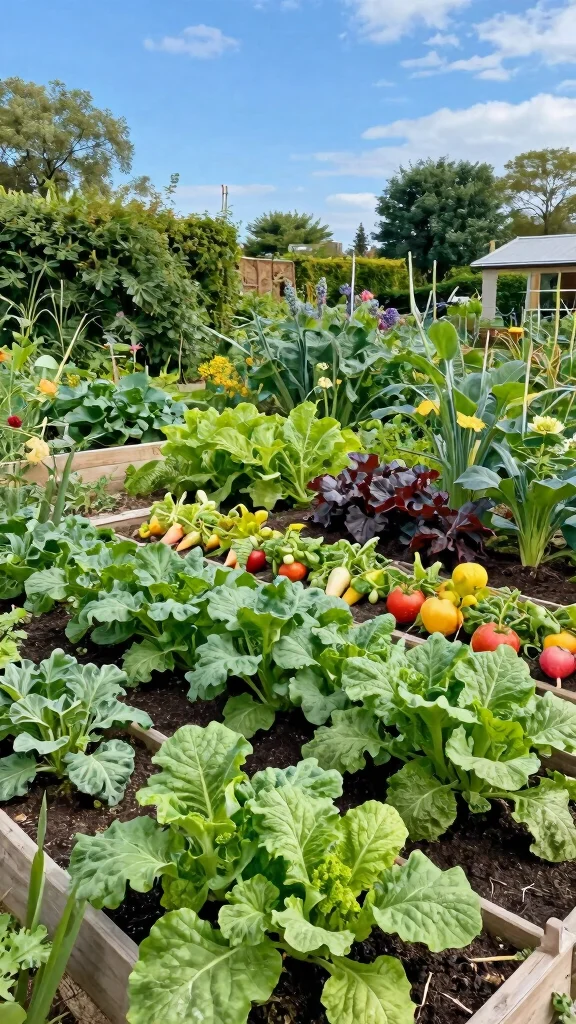
Want to enjoy fresh produce year-round? Adopting seasonal planting in your kitchen garden can significantly increase your yield! By understanding what to plant and when, you can enjoy a continuous supply of delicious fruits and vegetables.
Researching the best planting times for your region will keep your garden thriving throughout the seasons.
For successful seasonal planting:
– Crop rotation: Switch out crops between seasons to maintain soil health.
– Utilize cold frames: Extend your growing season with protective frames for early spring planting.
– Diverse crops: Opt for a mix of summer and winter veggies to keep your harvest going year-round.
With thoughtful planning, you’ll find yourself with a bountiful kitchen garden that provides fresh food in every season.
Fun fact: Seasonal planting is one of the best kitchen garden ideas; it can boost your harvest by up to 40% across the year. Rotate crops and plant what thrives in each season for a steadier, delicious harvest.
13. Indoor Kitchen Garden: Garden All Year Round
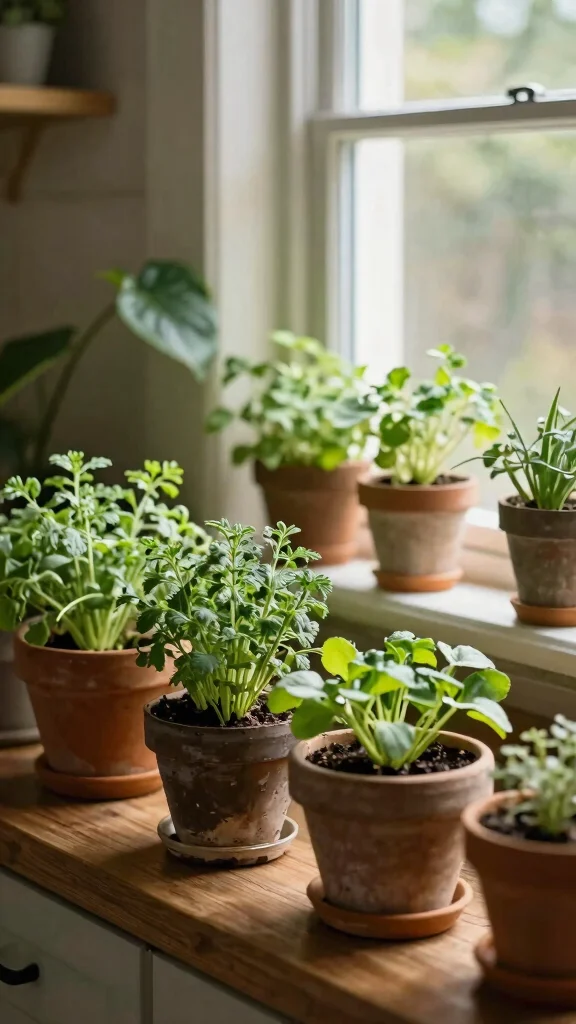
Who says you can’t garden indoors? An indoor kitchen garden allows you to enjoy fresh herbs and vegetables even during the cold months.
Use windowsills, countertops, or specially designed indoor planters to cultivate your favorites right in your home.
For indoor success:
– Choose appropriate plants: Opt for herbs like mint, basil, or small salad greens that thrive indoors.
– Lighting: Ensure adequate light; consider grow lights if your home lacks brightness.
– Air circulation: Open windows or use fans to promote air movement, preventing mold.
With an indoor kitchen garden, fresh ingredients are always within arm’s reach, regardless of the season.
14. Gardening Tools and Supplies: Essential for Success
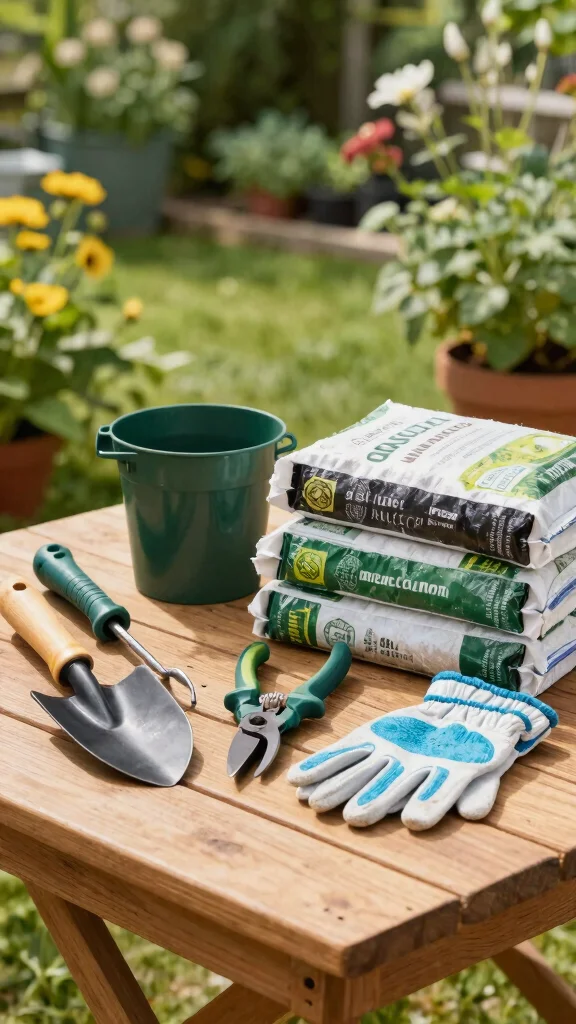
Don’t underestimate the power of good gardening tools! Having the right equipment makes your gardening tasks smoother and more enjoyable. Investing in quality tools will serve you well through many growing seasons.
Essential tools include:
– Hand tools: Trowels, pruners, and cultivators are indispensable for planting and maintaining your garden.
– Watering systems: Consider drip irrigation or a quality watering can for efficient watering.
– Soil and fertilizer: Use high-quality soil and organic fertilizers to support healthy plant growth.
With the right tools at your disposal, you can turn your kitchen garden dreams into a thriving reality.
Conclusion
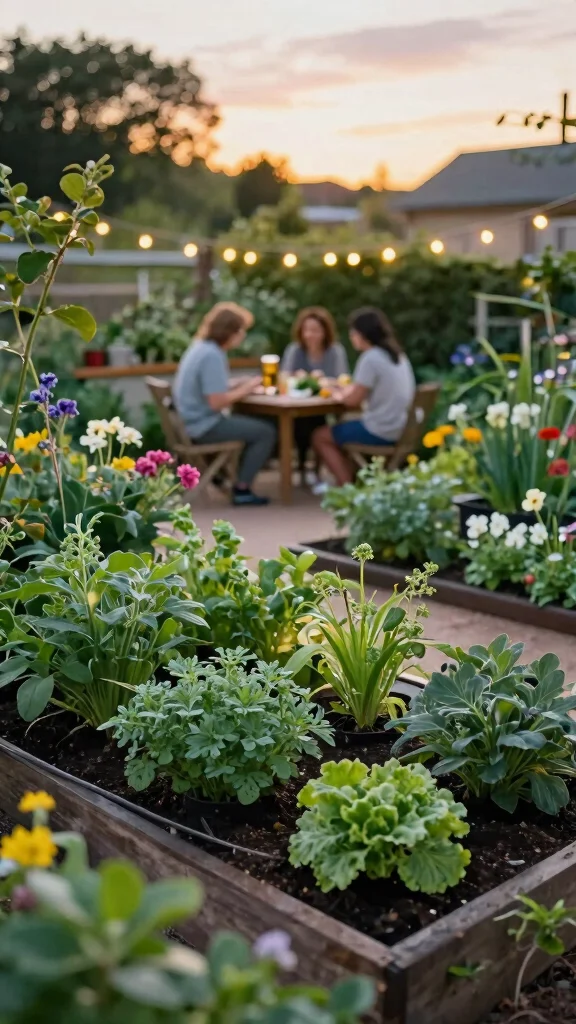
Creating a kitchen garden right outside your door can be both beautiful and productive. Each of these ideas opens a door to new possibilities, enhancing your outdoor space while giving you easy access to fresh ingredients. Whether you have a small balcony or a sprawling yard, there’s an idea here for everyone. Start your gardening journey today and transform your outdoor area into a delightful oasis of greenery!
Note: We aim to provide accurate product links, but some may occasionally expire or become unavailable. If this happens, please search directly on Amazon for the product or a suitable alternative.
This post contains Amazon affiliate links, meaning we may earn a small commission if you purchase through our links, at no extra cost to you.
Frequently Asked Questions
What are some kitchen garden ideas to create a beautiful, productive space right outside the door in a small area?
For kitchen garden ideas that fit tight spaces, go vertical and compact. Think container gardening with wall-mounted pockets, railing planters, and hanging baskets to grow herbs and small veggies along a doorway. Pair this with a few shallow raised bed gardening or tiered planters to maximize sun. Start by mapping 2–3 sunny spots, pick 4–6 compact crops (basil, chives, lettuce, spinach, cherry tomatoes), and choose containers that drain well. With these ideas you’ll have a beautiful and productive growing space right outside your door.
How can I set up a vertical kitchen garden on a tiny balcony or doorstep using container gardening?
Begin by analyzing sun hours and choosing compact crops. Pick vertical containers—stackable pots, hanging baskets, or wall-mounted pockets—to save floor space. Install a lightweight trellis or wire grid for climbing herbs and small vining veggies. Use well-draining potting mix and a simple watering routine to keep maintenance low. With urban gardening tips and container gardening principles, you can create a thriving vertical kitchen garden right on a balcony or doorstep.
Which herbs and vegetables are best for a vertical kitchen garden and how should I plan them?
Great options include herbs like basil, parsley, cilantro, chives, thyme, and mint (in a contained pot to keep it from sprawling). For veggies, try lettuce, spinach, baby kale, bush beans, cherry tomatoes with a stake, and compact peppers. Plan with a layered layout: herbs on top, greens in the middle, and small fruiting plants on the bottom. This fits well with container gardening and vegetable garden planning ideas for a small space.
How do I design and plan my kitchen garden for year-round productivity near a door?
Start by assessing sun exposure and choosing crops that fit your climate. Create a simple map for vegetable garden planning across seasons, with succession sowing to keep harvests coming. Use a mix of raised bed gardening and containers close to the door for easy access, and rotate crops to protect soil health. Keep a small calendar for planting, harvesting, and fertilizer needs to ensure a steady supply of fresh produce year-round.
What maintenance tips keep a vertical kitchen garden productive with minimal effort?
Set a regular watering routine—early morning is ideal—using proper drainage to prevent soggy roots. Mulch to retain moisture and reduce weeds, and refresh soil with a balanced container gardening mix as needed. Feed with a light fertilizer every 4–6 weeks and monitor for pests with simple, eco-friendly fixes. Regular pruning, staking, and crop rotation will keep your kitchen garden ideas productive and looking tidy, with minimal hands-on time.
Related Topics
kitchen garden ideas
vertical gardening
container gardening
herb garden design
urban gardening
raised bed gardening
vegetable garden planning
small space solutions
easy gardening
beginner friendly
DIY garden projects
seasonal planting