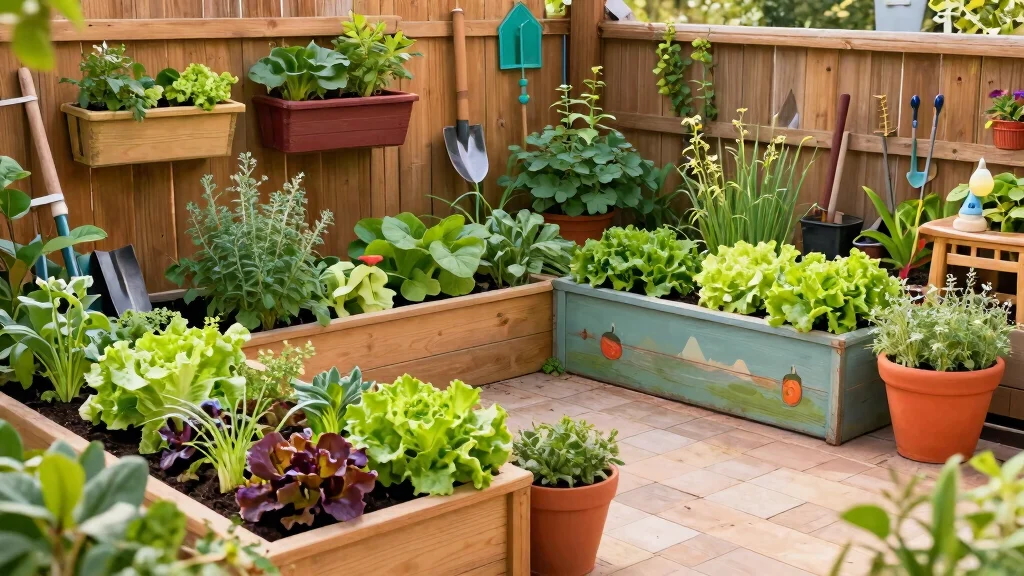
Creating a kitchen garden at home can be a dream come true. The thought of stepping into your backyard or balcony and harvesting fresh vegetables and herbs is incredibly appealing. I made this post because I want to help you design a kitchen garden that isn’t just beautiful but also genuinely productive. With the right ideas, you can turn any space into a green oasis that provides healthy food for your family and satisfies your gardening spirit.
If you’re someone who loves gardening, especially in small spaces, you’ll find this guide invaluable. Whether you’re a seasoned gardener or just starting out, these kitchen garden design ideas cater to everyone. From vertical garden walls to container gardening and edible landscaping, I gathered a variety of creative concepts that can fit any environment. You’ll discover how to make the most of your growing area and create a flourishing space that brings joy and sustenance.
In this post, you’ll find 12 innovative design ideas that are practical, inspiring, and perfect for crafting a kitchen garden that stands out. Each idea focuses on functionality while ensuring your garden remains visually appealing. Get ready to immerse yourself in the world of kitchen gardening, where every tip and trick can help you grow your own little slice of paradise.
Key Takeaways
– Discover how vertical garden walls can maximize limited space while providing plenty of growing opportunities for herbs and vegetables.
– Learn about layered raised bed gardens that not only add a rustic charm but also enhance soil health and accessibility.
– Explore container gardening ideas that allow you to grow plants in any small area, perfect for balconies or patios.
– Understand the concept of edible landscaping, combining beauty with functionality to create a visually pleasing environment that produces food.
– Find tips on companion planting to help your plants thrive naturally, attracting beneficial insects while keeping pests away.
1. Vertical Garden Walls: A Space-Saving Marvel
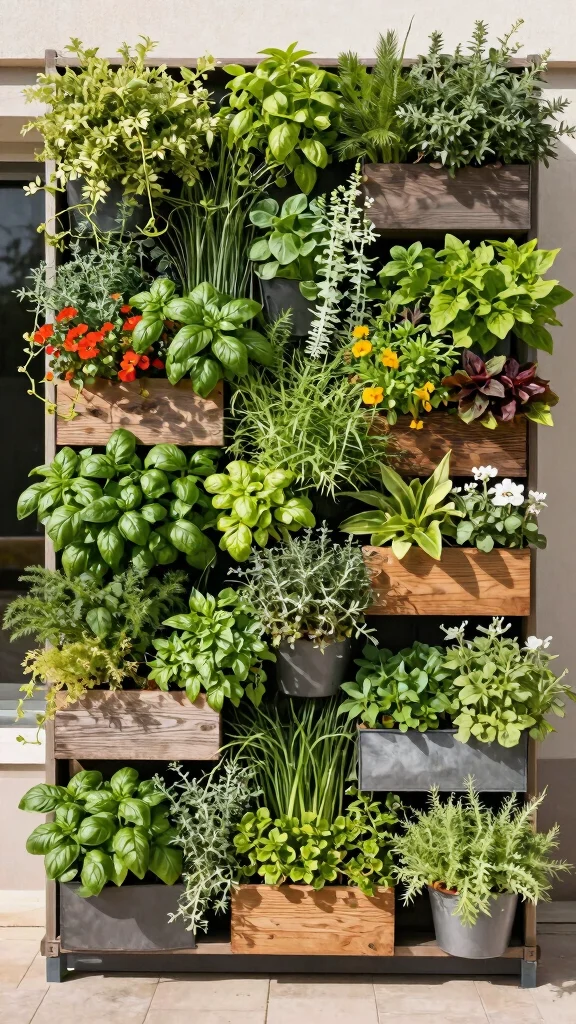
Are you short on space but long on gardening dreams? Vertical garden walls could be your perfect solution. These stunning installations not only save space but also create a lush, inviting atmosphere in your kitchen garden, displaying herbs, greens, and climbing veggies like cucumbers or peas in a beautiful way.
Vertical gardening offers fantastic benefits: it maximizes limited space, improves airflow to reduce pests, and makes harvesting a breeze. You can easily build a vertical garden using wall-mounted planters or trellises, bringing a new dimension to your outdoor area.
Choose lightweight containers and ensure your wall is sturdy enough to hold them. Herbs such as basil, parsley, and mint thrive in this setup, while strawberries add a sweet touch. Keep in mind that vertical plants may need more frequent watering due to quicker drying out!
Utilize a drip irrigation system for hassle-free watering, mix colors and textures for a vibrant display, and strategically place your plants to maximize sunlight exposure. With a dash of creativity, your vertical garden wall can become the highlight of your kitchen garden design.
2. Layered Raised Bed Gardens: A Rustic Touch
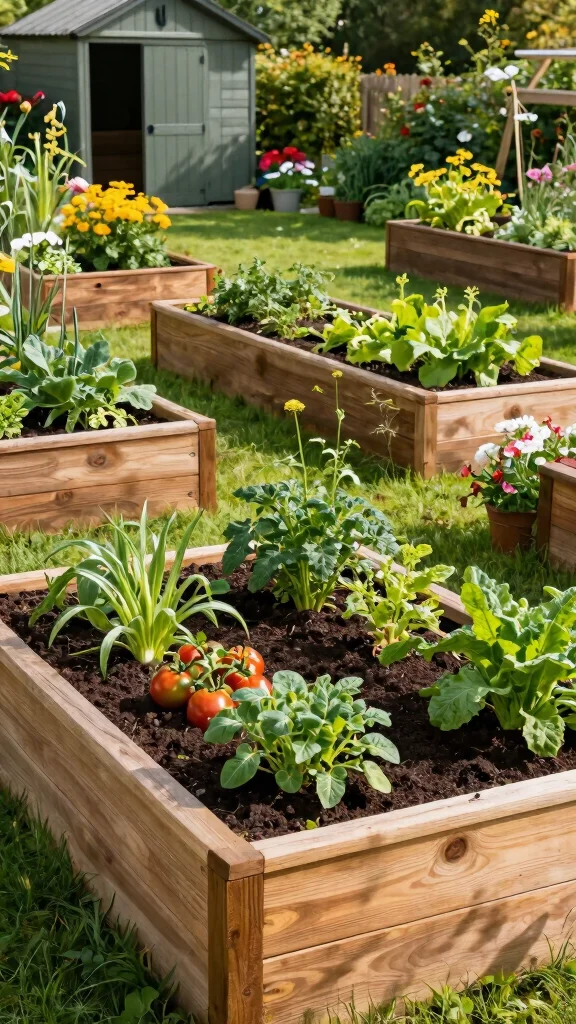
Looking to enhance both beauty and functionality in your kitchen garden? Layered raised beds can bring that rustic charm you crave while improving access to your plants. By designing beds at different heights, you create a visually appealing landscape that allows for a variety of vegetables, from deep-rooted carrots to shallow-rooted herbs!
These raised beds prevent soil compaction, making for healthier roots and easier maintenance without too much bending. They also add depth and height, transforming your garden into a stunning visual feast.
When building, consider using untreated wood or recycled materials for an eco-friendly touch. Mixing soil types can help create a thriving environment for diverse plants. Adding flowering plants can also attract pollinators, enhancing your garden’s ecosystem!
Install landscape fabric between layers to keep weeds at bay, think about a drip irrigation system for efficient watering, and always fill the bottom layer with coarse materials for proper drainage. With thoughtful planning, your layered raised beds can beautifully blend aesthetics and productivity.
3. Container Gardening: Versatile and Beautiful
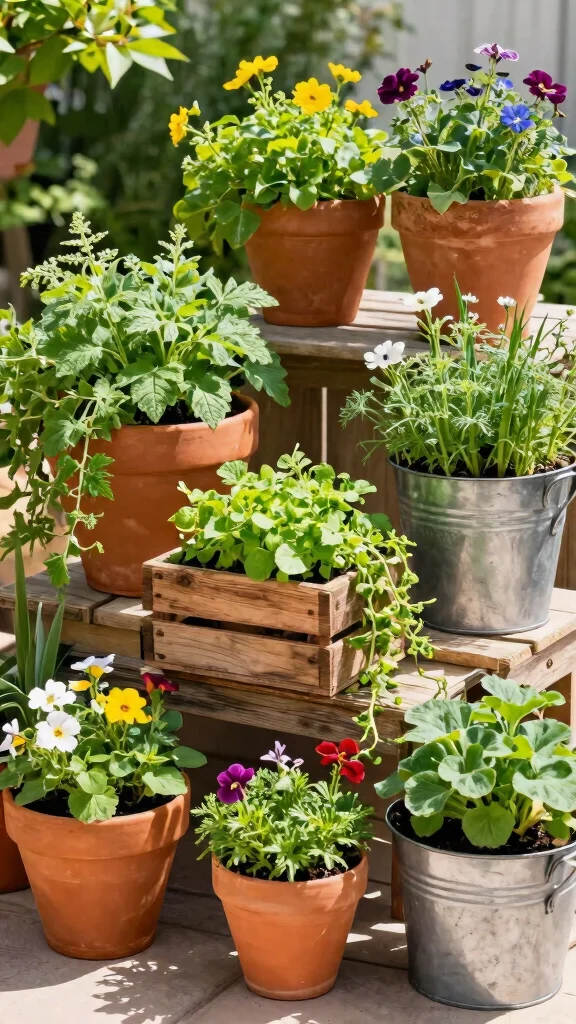
Do you want to garden in style even with limited space? Container gardening is your answer! With a variety of pots available, you can create a beautiful arrangement that matches your aesthetic while growing delicious vegetables. From terracotta pots to chic metal containers, the possibilities are endless!
This gardening method offers flexibility to move plants around for optimal sunlight and makes pest management easier. It’s perfect for small balconies, patios, or even windowsills.
Opt for plants that thrive in containers, such as herbs, peppers, or dwarf tomatoes. Mix different sizes and shapes of containers to craft an eye-catching display. Herbs like rosemary or thyme not only look stylish but also smell amazing!
Ensure your containers have adequate drainage holes, use high-quality potting soil with slow-release fertilizer, and group containers together for a lush, garden-like feel. Container gardening can turn any small space into a vibrant kitchen garden that’s functional and fashionable.
4. Edible Landscaping: Beauty Meets Functionality
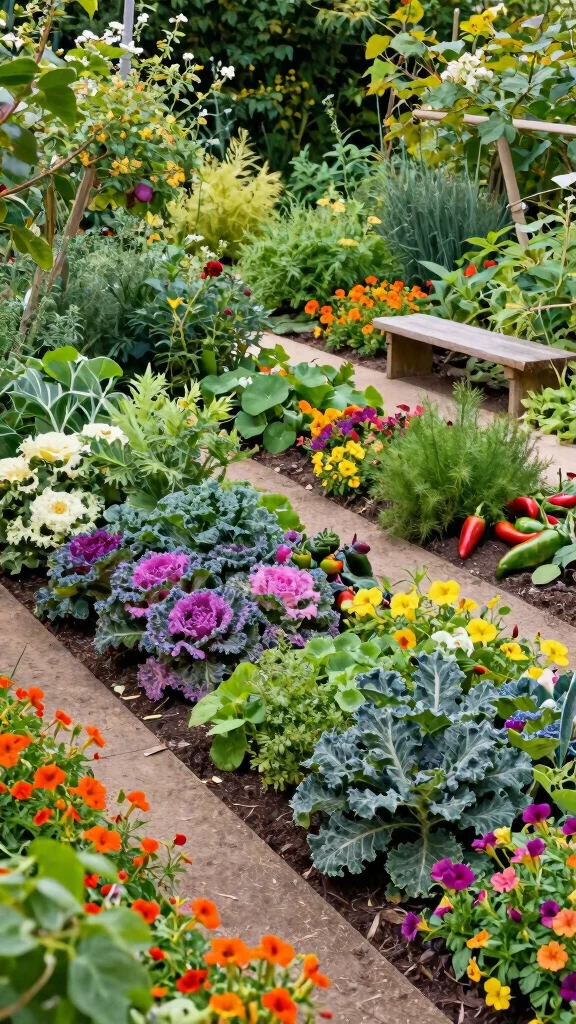
Are you ready to integrate beauty and functionality in your garden? Edible landscaping is the perfect approach! This style blends food-producing plants into traditional garden designs, resulting in an attractive and productive space. Imagine strolling through a garden filled with flowering kale, colorful peppers, and fragrant herbs that are as delicious as they are beautiful!
Edible landscaping enhances the visual appeal of your outdoor space while encouraging biodiversity by attracting beneficial insects. Plus, it reduces maintenance through companion planting strategies.
Add edible flowers like nasturtiums or pansies for a pop of color and mix perennials with annuals for year-round interest. Fruit-bearing shrubs can double as natural borders, combining beauty and function seamlessly. This method promotes sustainability while connecting you with nature on a deeper level!
Research companion plants to maximize flavor, choose varieties that thrive in your climate, and create paths with flowering veggies for stunning visual impact. This trend not only beautifies your garden but also encourages healthy eating right from your backyard.
5. Herb Spiral: A Functional Work of Art
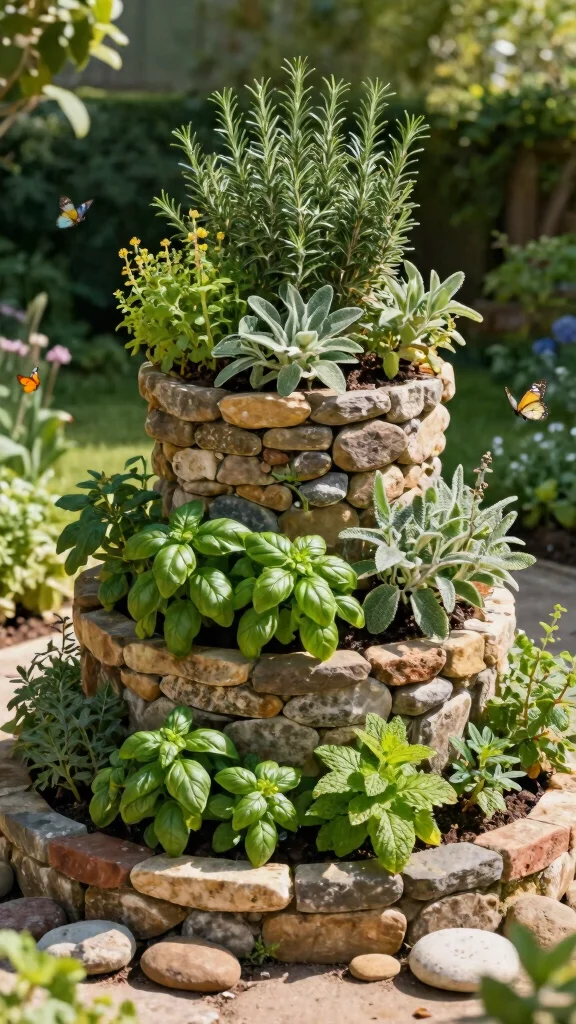
Are you seeking a unique centerpiece for your kitchen garden? A herb spiral is not only an eye-catching feature but also incredibly functional. This design maximizes vertical space while creating various microclimates for your herbs, making it an excellent choice for both aesthetics and productivity.
A herb spiral optimizes space and promotes biodiversity in a compact area. It provides different moisture levels for various herbs, ensuring they thrive in their preferred conditions.
To build a herb spiral, use stones or bricks to shape a spiral that rises toward the center. Place taller herbs like rosemary at the top and moisture-loving plants like mint at the bottom. This design looks great and provides easy access to fresh herbs right from your garden!
Consider adding a small water feature or rainwater collection system for sustainability, regularly prune your herbs for bushier growth, and ensure the spiral is in a sunny location for optimal growth. With creativity, a herb spiral can become the standout feature of your kitchen garden.
How To Choose The Right Vertical Kitchen Garden Design
When you decide to create a vertical kitchen garden, you want a design that fits your space and needs. A well-planned vertical garden can maximize your growing area while adding beauty to your home. Here’s how to choose the right design for your kitchen garden.
1. Space Availability
First, check how much wall or vertical space you have. Measure the height and width of the area you want to use. You can find a design that fits snugly in that space, whether it’s a small balcony or an expansive wall. Remember, vertical gardens need some space at the bottom for pots or containers.
2. Plant Selection
Think about the types of plants you want to grow. Are you aiming for herbs, vegetables, or flowers? Some plants do better when hung vertically. For example, herbs like basil and parsley thrive in vertical setups. Research which plants will be suitable for your climate and light conditions to ensure a fruitful garden.
3. Design Style
Choose a style that matches your home decor. Whether you prefer a rustic wooden frame, sleek metal racks, or colorful containers, the design should resonate with your taste. Consider how the vertical garden will complement your kitchen. A beautiful design can serve as a living art piece in your space.
4. Watering System
A good watering system is crucial for a vertical garden. Consider whether you want a manual watering system or an automated drip irrigation system. Automated systems save time and ensure your plants get consistent moisture. If you opt for manual watering, make sure your design allows easy access to each plant for care.
5. Budget
Know your budget before diving into design options. Prices vary depending on materials and complexity. Simple wooden wall planters can be more affordable, while elaborate systems with irrigation and lighting may cost more. Determine what you can spend and explore designs within that range.
Pro Tip: Before making a final choice, sketch your vertical garden layout on paper. Visualizing the design can help you see how the plants will fit and grow, giving you a better idea of the overall look and functionality.
Choosing the right vertical kitchen garden design can transform your space. By considering your available space, plant selections, design style, watering systems, and budget, you’ll create a thriving vertical garden that beautifies your kitchen while providing fresh herbs and vegetables. Enjoy the journey of growing your own food right at home!
6. Companion Planting: Nature’s Perfect Pairings
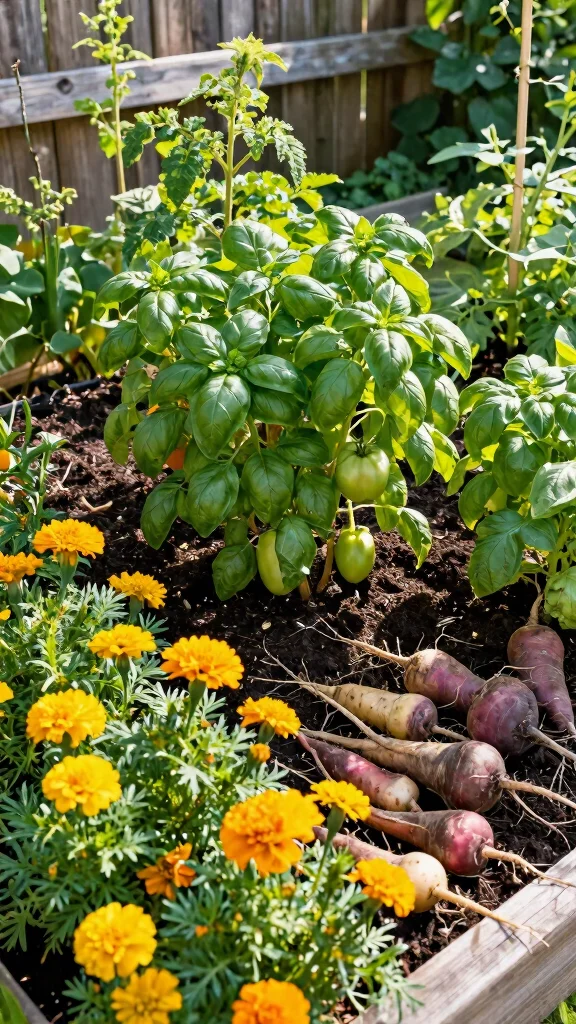
Are you looking for a way to enhance growth and flavor in your kitchen garden? Companion planting is a clever technique that pairs plants together for mutual benefit. For example, planting tomatoes alongside basil not only repels pests but also boosts the flavor of both.
This method embodies sustainable gardening, making your kitchen garden more productive while minimizing the need for pesticides. It allows you to create a flourishing ecosystem right in your backyard!
Classic combinations include carrots with onions to deter pests or marigolds with almost any plant to keep harmful insects away. You can create themed sections in your garden to illustrate these pairings, enhancing both aesthetics and productivity!
Research specific pairings that thrive together, rotate companion plants annually for optimal soil health, and keep a garden journal to track your successes. With careful planning, your kitchen garden can thrive as a harmonious ecosystem bursting with flavor and life.
Fun fact: In a compact kitchen garden, basil kept with tomatoes helps deter pests and can boost flavor. Many gardeners report up to 50% fewer pests and noticeably tastier tomatoes when plants are paired—perfect for smart kitchen garden design.
7. A Pollinator Garden: Attracting Helpers
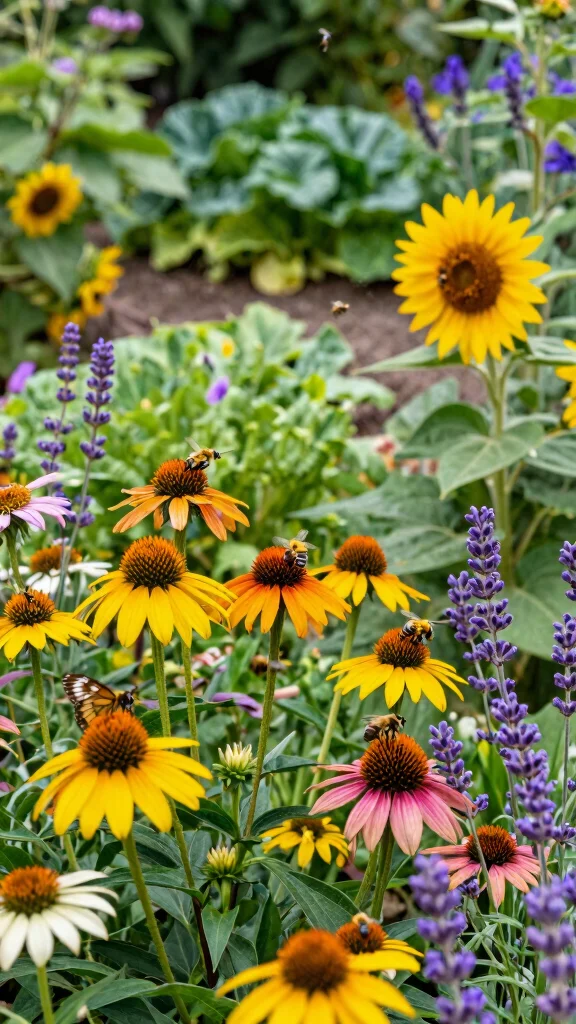
Do you want to boost the productivity of your kitchen garden? Creating a pollinator garden is a great way to help both your plants and the environment. By adding a variety of flowers and plants that attract bees, butterflies, and other pollinators, you significantly enhance your garden’s yields.
A pollinator garden increases fruit and vegetable yields through natural pollination while supporting local ecosystems and biodiversity. Plus, it adds vibrant colors and delightful fragrances to your space.
Choose a mix of native plants that bloom at different times to provide a steady food source for pollinators. Brightly colored flowers like coneflowers, sunflowers, and lavender not only attract these helpful creatures but also create a stunning display. Including these plants will transform your kitchen garden into a lively haven for pollinators!
Avoid using pesticides that could harm beneficial insects, create a variety of flower shapes and colors to attract different pollinators, and plant in clusters to enhance your garden’s appeal. A pollinator garden can turn your kitchen garden into a thriving ecosystem, bringing life and abundance to your growing space.
8. Seasonal Rotation: Keeping Your Garden Fresh
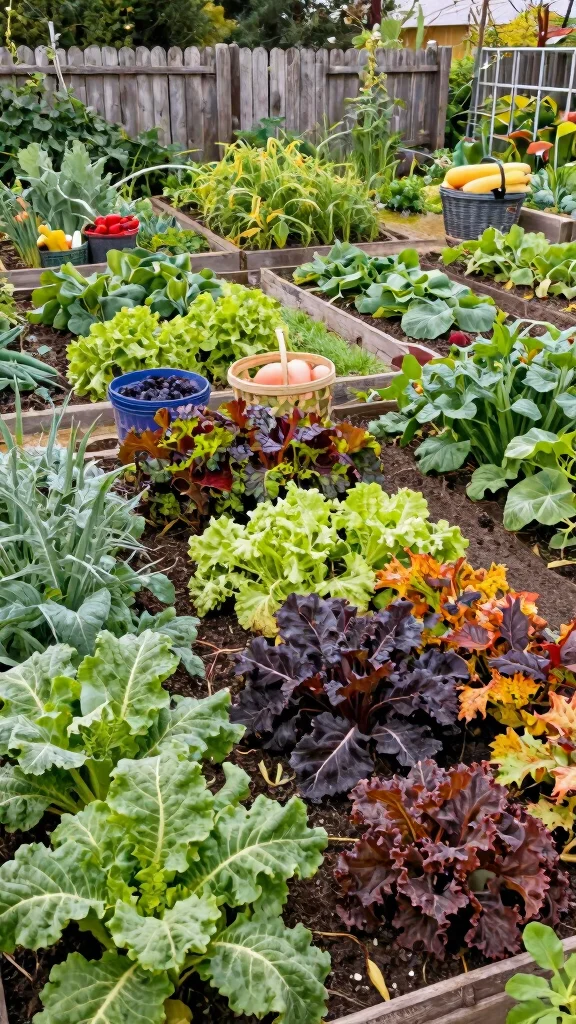
Do you want to keep your kitchen garden productive all year round? Seasonal rotation is a smart strategy that ensures your garden remains vibrant and healthy. By changing the crops you plant according to the seasons, you can promote soil health and prevent nutrient depletion while minimizing the risk of pests and diseases.
This method maintains soil fertility by rotating nutrient needs and maximizing your garden’s output throughout the year. It also helps break pest and disease cycles, making your gardening efforts more successful!
Plan your garden layout with seasonal changes in mind. After harvesting summer crops, consider planting fall vegetables like kale or root veggies that thrive in cooler weather. This approach ensures you utilize your garden space effectively and continuously.
Keep detailed records of what you plant each season, balance your crops with fast-growing and slow-growing varieties for staggered harvests, and consider using cover crops during off-seasons to enrich the soil. With seasonal rotation, your kitchen garden can consistently provide fresh produce, keeping your meals exciting and varied.
Did you know that seasonal rotation can boost soil health while cutting pest cycles by up to 40%? In kitchen garden design, rotating crops across seasons keeps crops productive year-round and makes your garden feel instantly more alive.
9. Garden Paths: Creating Flow and Access
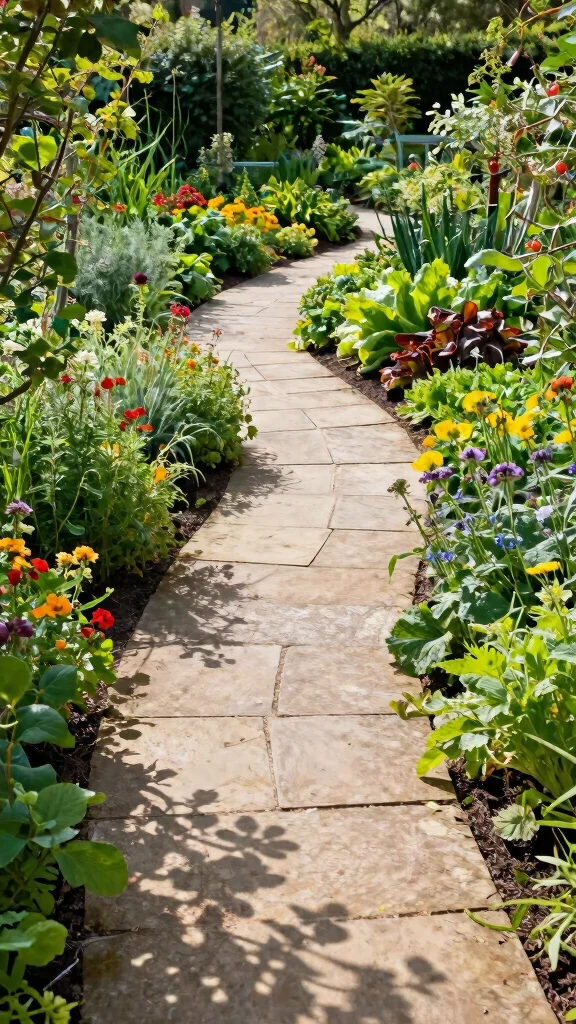
Are you looking to improve accessibility and organization in your kitchen garden? Garden paths are essential for creating flow and ease of movement while enhancing your garden’s overall beauty. Well-placed paths guide you through different areas, making maintenance and harvesting effortless.
Paths define spaces within your kitchen garden, preventing soil compaction around plants and allowing for easy movement. They can be created from natural materials like gravel, wood chips, or stepping stones, adding both function and style.
Consider designing winding paths for a more organic feel, encouraging exploration throughout your garden. Use permeable materials to facilitate drainage and prevent puddles, incorporate edging plants or flowers alongside paths for added beauty, and regularly maintain them to keep your garden inviting.
Incorporating thoughtful paths into your kitchen garden will not only improve accessibility but also create a serene ambiance, enhancing your overall gardening experience.
10. Integrated Composting: Feeding Your Garden
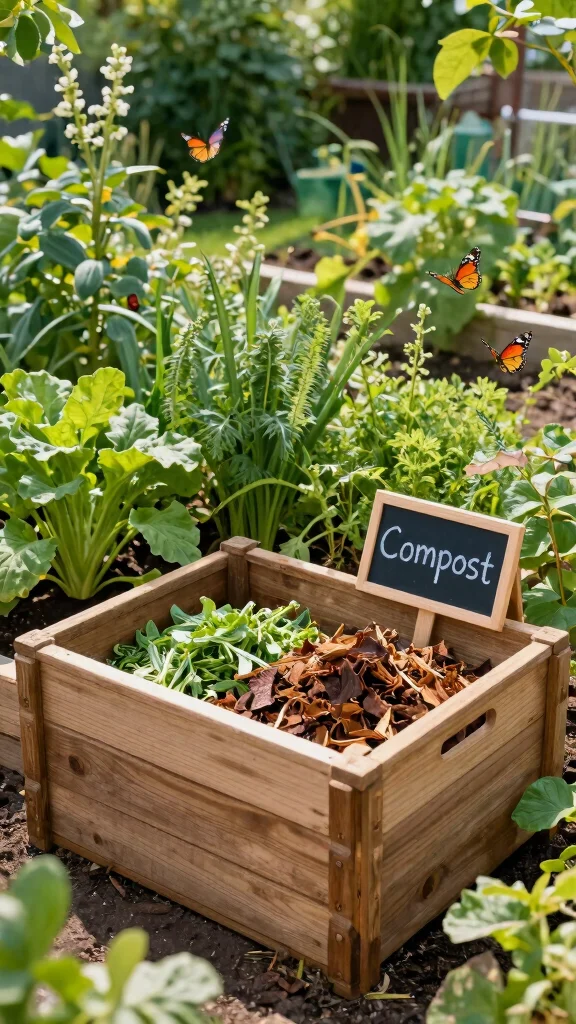
Are you ready to recycle kitchen scraps into something beneficial for your garden? Composting is an eco-friendly way to create valuable fertilizer for your kitchen garden. By integrating a composting system into your garden, you reduce waste while enriching your soil naturally!
Composting supports sustainable practices by reducing waste and providing essential nutrients to your plants. It promotes healthier growth and improved yields, making it a must-have for any gardener.
Create a compost bin or pile in a designated corner of your garden. Use a balanced mix of green waste, like fruit scraps, and brown waste, like dried leaves, for optimal composting results. Regularly turning your compost will speed up the decomposition process and ensure even breakdown.
Avoid adding meat, dairy, or oils to keep pests away, use a compost thermometer to monitor the temperature for optimal conditions, and keep your compost moist but not soggy. By composting, you’re not only helping your kitchen garden thrive but also contributing to a healthier planet.
11. Garden Furniture: Relax and Enjoy
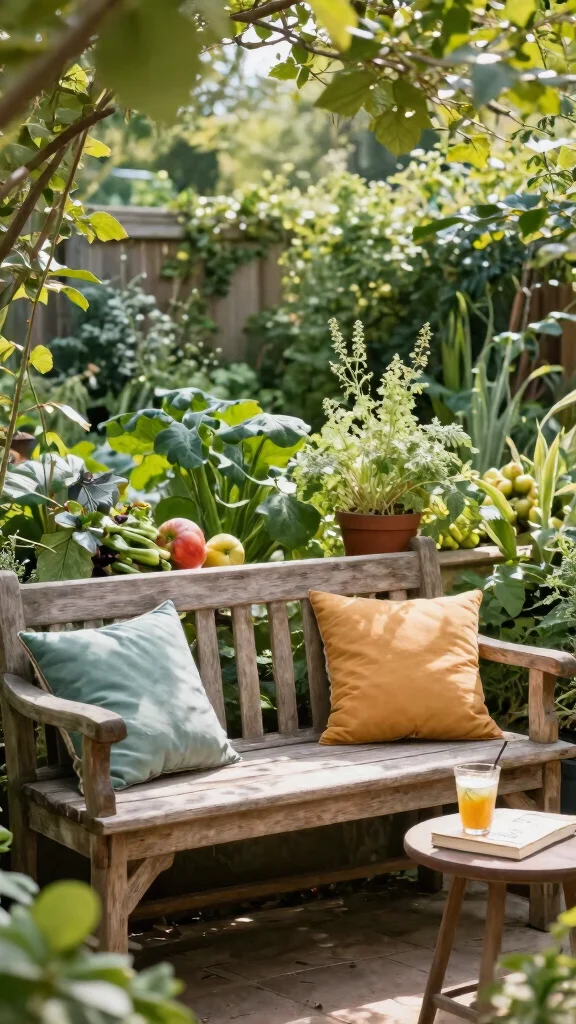
Do you want to create a cozy atmosphere in your kitchen garden? Incorporating furniture can transform your space into a relaxing retreat where you can unwind and enjoy the results of your hard work. Whether it’s a rustic wooden bench or a set of colorful chairs, adding seating areas enhances your garden’s charm.
Garden furniture provides a comfortable place to relax and enjoy your surroundings while enhancing the design aesthetic of your kitchen garden. It encourages social interaction and allows you to truly appreciate nature.
Position your furniture to offer great views of your plants, making it an ideal spot for morning coffee or evening relaxation. Choose weather-resistant materials that blend seamlessly with the natural environment.
Add cushions or throws for extra comfort, include a small table for drinks or snacks while you garden, and use decorative elements like lanterns or string lights to elevate the atmosphere. With thoughtful furniture choices, your kitchen garden can become a welcoming space for both work and leisure.
12. Water Features: Adding Tranquility
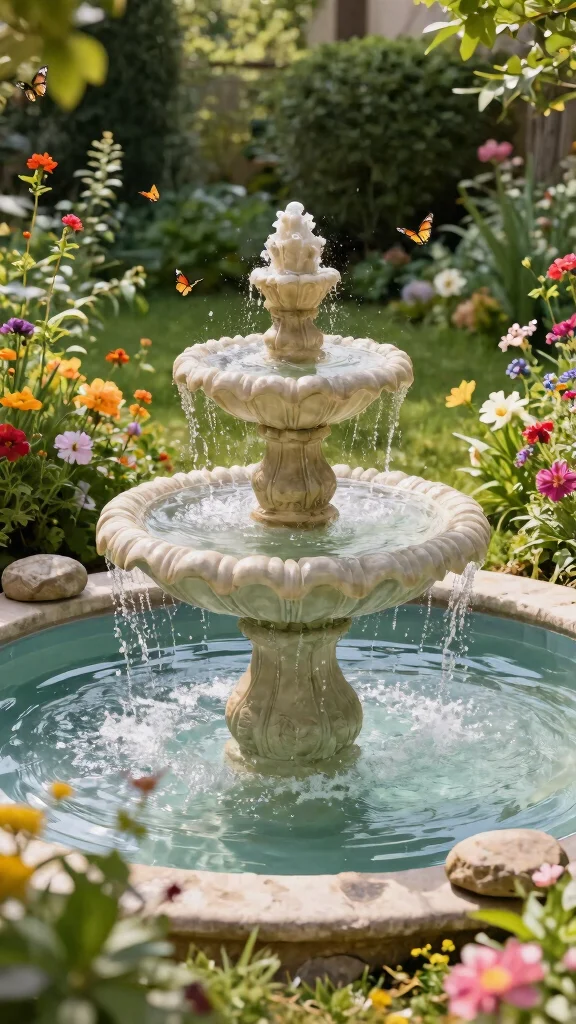
Are you looking to introduce a calming element to your kitchen garden? Integrating a water feature can add tranquility while creating a habitat for wildlife. Whether it’s a small fountain, a pond, or a simple birdbath, the presence of water attracts beneficial creatures and enhances your garden’s beauty.
A water feature not only attracts pollinators and wildlife but also adds a serene ambiance to your space. It enhances the visual appeal of your garden design, making it a focal point.
Consider your garden’s size when choosing a water feature. A small fountain fits perfectly in tight spaces, while a pond can serve as a stunning centerpiece in larger gardens. Surround your water feature with plants for a natural look, ensuring it’s placed where you can fully enjoy its beauty.
Use solar-powered pumps for flowing water without electricity costs, regularly clean the feature to prevent algae buildup, and plant water-loving plants like irises or water lilies around it for added beauty. A water feature can not only beautify your kitchen garden but also create a tranquil environment for relaxation after a long day.
Fun fact: a tiny fountain can attract more pollinators and wildlife, boosting garden life by up to 30% in kitchen garden design. Even a simple birdbath adds a calm focal point and fresh movement. Create a water feature to blend beauty with practical, quiet productivity.
Conclusion
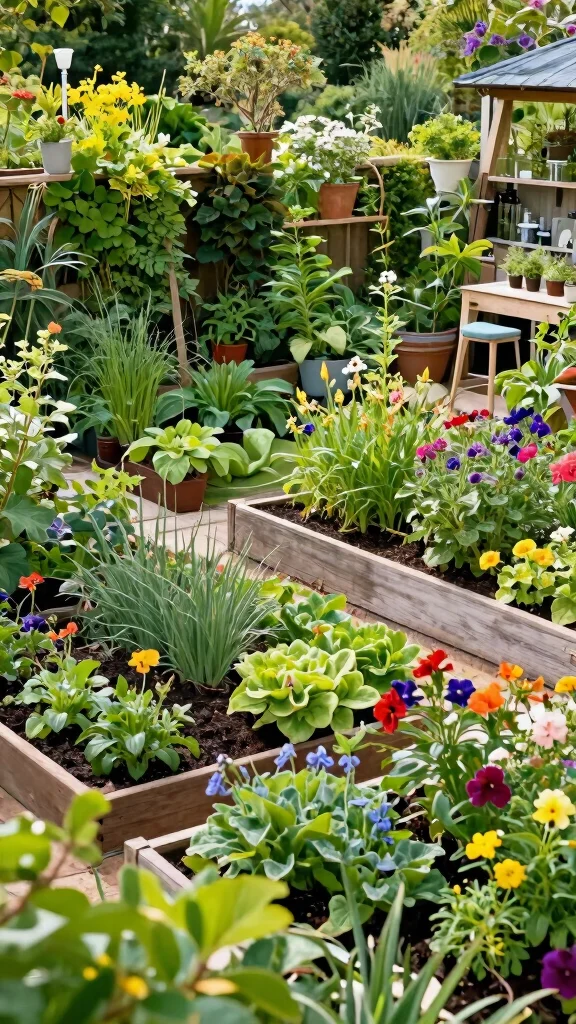
Transforming your kitchen garden into a beautiful and productive space is easier than ever with these twelve design ideas. Whether you opt for vertical gardening, container planting, or integrated composting, each concept offers a unique way to enjoy your gardening journey. Embrace creativity, utilize your available space, and let your kitchen garden flourish in both beauty and abundance.
Try incorporating these ideas into your gardening routine and watch as your harvest and enjoyment grow hand in hand. Happy gardening!
Note: We aim to provide accurate product links, but some may occasionally expire or become unavailable. If this happens, please search directly on Amazon for the product or a suitable alternative.
This post contains Amazon affiliate links, meaning we may earn a small commission if you purchase through our links, at no extra cost to you.
Frequently Asked Questions
How Do I Start a Vertical Kitchen Garden in a Small Space?
Starting a vertical kitchen garden in a small space is totally doable with a simple plan. First, choose a sunny, accessible spot and pick a vertical system that fits your wall or railing (wall-mounted pockets, a trellis with containers, or a hanging pocket organizer). Use lightweight, high-quality potting mix and ensure good drainage, not heavy garden soil. Pick crops that grow quickly and stay manageable, like basil, parsley, lettuce or spinach, and compact vegetables such as pea shoots or dwarf tomatoes. Position the tallest plants toward the back or top and keep heavier crops lower if your frame allows for safe balance. Install a simple drip irrigation line or schedule regular hand watering so the system never dries out. Regular pruning, feeding, and crop rotation keep the space productive and connected to your kitchen garden design goals and small space gardening mindset.
Which Crops Work Best in a Vertical Garden and How Should I Arrange Them?
Herbs like basil, cilantro, and chives thrive in vertical setups. Leafy greens such as lettuce, spinach, and baby kale do well in shallow pockets. Quick-growing additions like pea shoots and even strawberries can perform with proper support. When arranging, place sun-loving, heavier crops on sturdy trellises at the top or along the sides and reserve the lower pockets for lighter greens that are easy to harvest. Group plants with similar water needs to simplify irrigation, and keep airflow clear to reduce disease. This approach fits into edible landscaping and container gardening ideas within your kitchen garden design.
How Can I Keep a Vertical Kitchen Garden Productive Through the Seasons?
Use season extension strategies and quick succession sowing. Start with cool-season herbs and leafy greens and move to warmer crops as the weather warms. Position your vertical garden on a south-facing wall if possible to maximize sun exposure, and use lightweight row covers or cloches on chilly nights. Keep a simple irrigation timer and feed with a balanced, slow-release fertilizer to support steady growth. Mulch the top layer to retain moisture and prevent weed intrusion. Regularly check for pests and rotate crops to avoid disease, so your vertical design stays productive across seasons and aligns with thoughtful kitchen garden design.
How Can a Vertical Garden Fit Into an Overall Kitchen Garden Design?
Treat the vertical garden as a focal point of edible landscaping that complements your existing layout. Place it near the kitchen door for easy harvests, and design around it with a cohesive color palette and varied textures. Pair it with ground-level features like raised beds to extend your vegetable garden layout and support companion planting. Make sure there’s good drainage, easy access for pruning, and clear paths for maintenance. When planned this way, a vertical feature enhances small space gardening, edible landscaping, and raised bed design without feeling separate from the rest of your space.
What Common Mistakes Should I Avoid in Vertical Kitchen Garden Design?
Common mistakes include underestimating sun and wind exposure on a vertical system, choosing containers or pockets that don’t drain well, and using soil that quickly compacts. Avoid mounting heavy planters on weak supports, and don’t neglect weight limits or irrigation—overwatering or poor drainage kills plants fast. Another pitfall is ignoring crop rotation and pest control, which leads to slower growth and more disease. Finally, don’t forget accessibility; place plants so you can reach them from ground level to shoulder height. By planning for light, drainage, weight, and maintenance, you’ll keep your kitchen garden design practical, productive, and enjoyable.
Related Topics
kitchen garden design
vertical gardening
edible landscaping
small space gardening
container gardening
raised bed design
vegetable garden layout
beginner friendly
easy gardening
sustainable gardening
urban gardening
seasonal planting