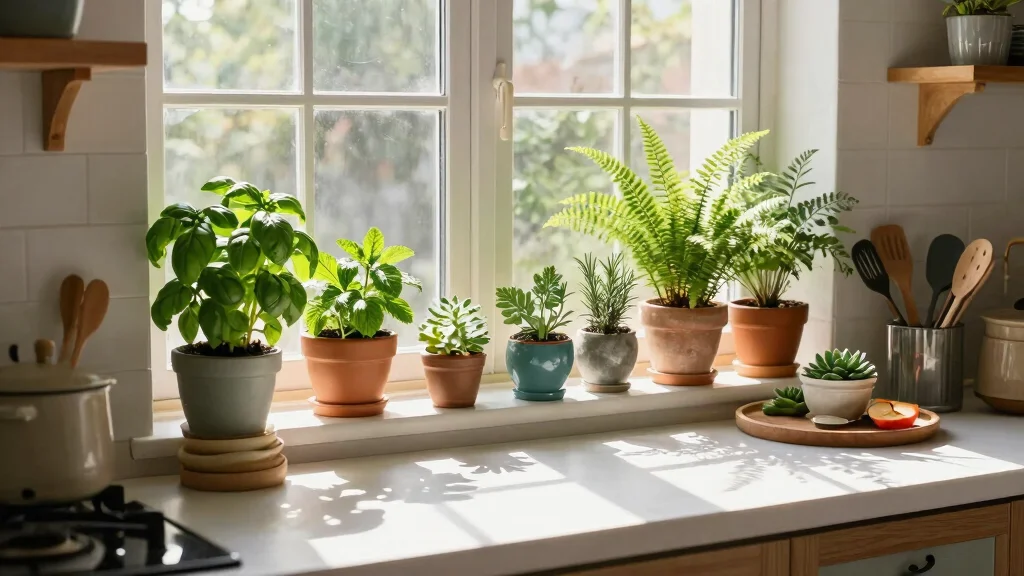
Creating a lush, green oasis in your kitchen can transform your space and your daily routine. As someone who loves the idea of greenery but struggles with small spaces, I felt inspired to share some delightful kitchen window plant ideas. These plants not only beautify your kitchen but also add freshness to your meals and create a relaxing atmosphere. If you’re into gardening, especially in compact areas, these suggestions might just be what you’re looking for.
Imagine starting your day with the scent of fresh herbs wafting through your kitchen. If you appreciate the idea of window sill herbs or simply want to fill your space with life, this post is for you. I gathered 11 plant ideas that are easy to care for, perfect for maximizing natural light, and suitable for small space gardening. Whether you’re a seasoned gardener or just starting, there’s something here for everyone.
In this blog post, you’ll discover how to integrate various indoor plants into your kitchen. From aromatic herbs to low-maintenance houseplants, each idea will help you create a light-filled corner that invigorates your mornings. Get ready to bring the outdoors in and enjoy the many benefits of having plants in your kitchen!
Key Takeaways
– Discover 11 easy-care plants perfect for kitchen windows, enhancing both beauty and functionality.
– Learn about popular herbs like basil and mint that can elevate your cooking experience.
– Explore the benefits of plants such as succulents and spider plants for air purification.
– Understand the importance of natural light gardening, ensuring your plants thrive in small spaces.
– Get practical tips for caring for your new kitchen companions, making your gardening journey enjoyable and rewarding.
1. Fresh Basil for Culinary Delights
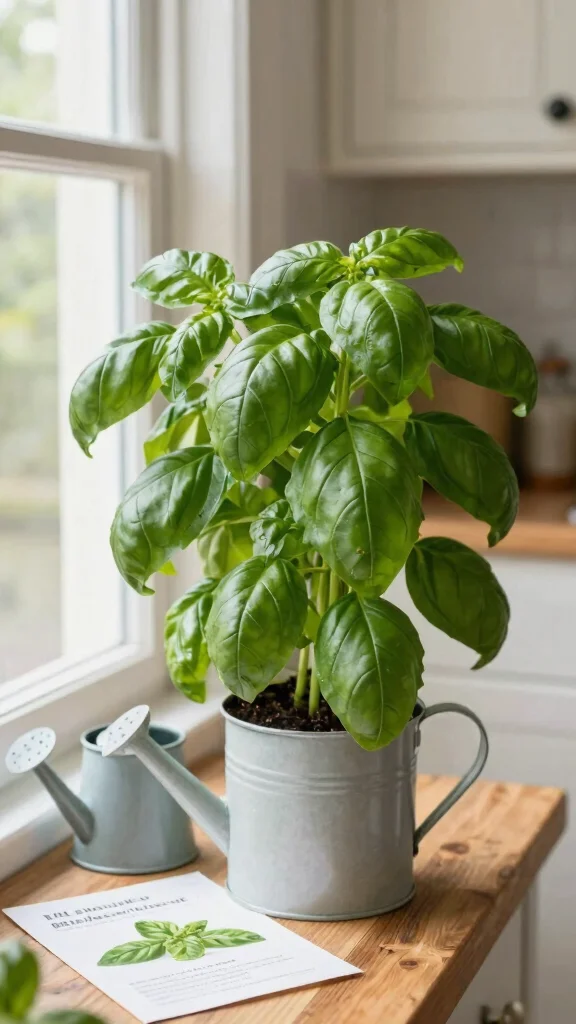
Craving a burst of flavor in your dishes? Fresh basil is the go-to herb that transforms everyday meals into gourmet experiences. Its vibrant green leaves and aromatic fragrance not only enhance your cooking but also offer health benefits like vitamins A and K. Growing basil is a breeze, making it an essential addition to any kitchen window.
Ingredients:
– 1 basil plant
– Potting soil
– Fertilizer (optional)
– Water (as needed)
Instructions:
1. Choose a pot with drainage holes and fill it with potting soil.
2. Plant the basil, ensuring the roots are covered.
3. Water the plant until the soil is moist but not soggy.
4. Place it in a sunny spot where it receives 6-8 hours of light daily.
5. Harvest leaves regularly to encourage growth.
FAQs:
– Can I grow basil from seeds? Yes, but it takes longer than starting with a plant.
– Can I keep basil indoors? Absolutely! Just ensure it gets enough sunlight.
2. Mint for Refreshing Flavor
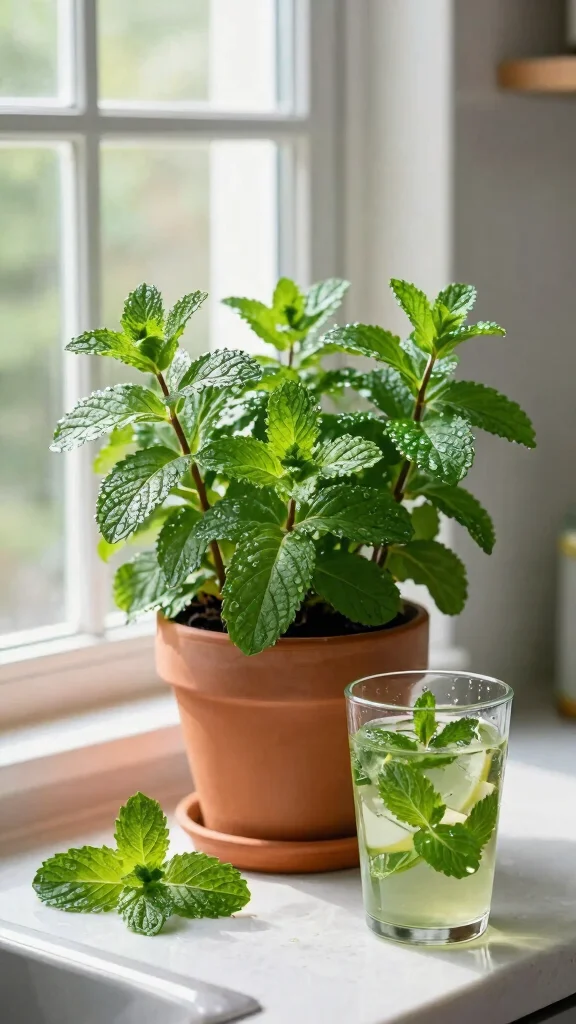
Feeling the need for a refreshing twist in your drinks and desserts? Mint is your best friend. Its invigorating aroma and cool taste elevate everything from mojitos to chocolate desserts. Plus, mint is a resilient herb that thrives in bright light, making it an easy choice for your kitchen window.
Ingredients:
– 1 mint plant
– Potting soil
– Water (as needed)
Instructions:
1. Select a pot with good drainage and fill it with potting soil.
2. Plant the mint, ensuring the roots are covered.
3. Water thoroughly until the soil is moist.
4. Place near a sunny window for optimal growth.
5. Regularly trim leaves to promote new growth.
FAQs:
– Can I grow mint in a small pot? Yes, just make sure it has enough space to spread.
– Can I use mint in cooking? Yes, it’s perfect for lamb dishes and salads.
3. Chives for Subtle Onion Flavor
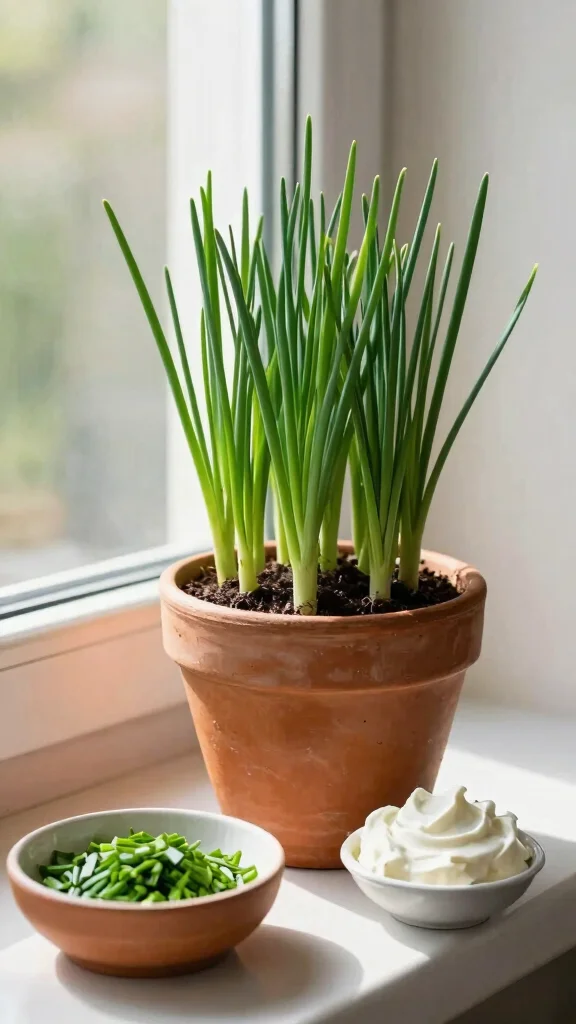
Looking for a way to add a mild onion flavor to your meals? Chives are the perfect herb to keep on hand. Their vibrant green stalks not only bring color to your cooking but are also incredibly easy to grow. Chives can be snipped anytime, making them a handy addition to salads, soups, and more.
Ingredients:
– 1 chive plant
– Potting soil
– Water (as needed)
Instructions:
1. Plant chives in a pot with drainage holes filled with potting soil.
2. Water the soil until it’s evenly moist.
3. Position the pot in a sunny area where it can get full sunlight.
4. Snip leaves as needed, and they will regrow quickly.
FAQs:
– Can I grow chives indoors? Yes, they thrive in pots on a sunny windowsill.
– Can I use chives in place of onions? Yes, they’re great for a milder flavor.
Ongoing Maintenance & Care Guide
Maintenance Schedule:
Daily/Weekly Tasks:
– Watering your kitchen window plants is essential. Check the soil daily. If it feels dry an inch down, give it a drink. This takes about 5 minutes.
– Dusting leaves helps your plants absorb more light. Use a damp cloth to wipe the leaves once a week. This should take around 10 minutes.
– Rotate pots every week to ensure even growth. This allows all sides of the plant to receive sunlight. It takes about 2 minutes.
– Inspect for pests during your weekly check. Look for signs like webbing or tiny bugs on leaves. This also takes about 5 minutes.
Monthly/Seasonal Tasks:
– Fertilizing your plants keeps them healthy. Use a diluted liquid fertilizer once a month during the growing season. This requires about 10 minutes.
– Pruning herbs like basil and mint encourages bushier growth. Trim back any leggy stems at least once a month. Allocate about 15 minutes for this task.
– Repotting should be done if roots start to come out of the drainage holes. This usually happens every 6-12 months and can take about 30 minutes.
– Seasonal adjustments may include moving your plants to a different spot depending on the light availability. Do this twice a year, taking about 10 minutes each time.
– Cleaning containers should be done monthly. A simple rinse with water and a scrub if needed, takes about 10 minutes.
Maintenance Summary Table:
| Task | Frequency | Difficulty | Time Needed |
|————————-|———————|—————-|—————|
| Watering | Daily/Weekly | Easy | 5 minutes |
| Dusting leaves | Weekly | Easy | 10 minutes |
| Rotate pots | Weekly | Very Easy | 2 minutes |
| Inspect for pests | Weekly | Easy | 5 minutes |
| Fertilizing | Monthly | Easy | 10 minutes |
| Pruning | Monthly | Easy | 15 minutes |
| Repotting | Every 6-12 months | Moderate | 30 minutes |
| Seasonal adjustments | Twice a year | Easy | 10 minutes |
| Cleaning containers | Monthly | Very Easy | 10 minutes |
Common Issues to Watch For:
⚠️ Yellowing leaves can indicate overwatering. Check the soil moisture. If it’s soggy, cut back on water.
⚠️ Wilting plants often suggest underwatering. If leaves droop, give your plant a good drink.
⚠️ Pest infestations might show as sticky residue or visible bugs. If you see these signs, act quickly to remove pests with soapy water.
⚠️ Mold on soil can result from overwatering or poor drainage. If you see mold, reduce watering and improve drainage.
⚠️ Slow growth may signal insufficient light. If your plants aren’t thriving, consider moving them to a sunnier spot.
Care Tips:
💡 Choose the right plants for your kitchen window. Herbs like basil or mint thrive in bright light and are easy to care for.
💡 Group plants together to create a microclimate. This helps maintain humidity and makes them easier to care for.
💡 Use proper pots with drainage holes to prevent waterlogging. This simple step can save your plants from root rot.
💡 Monitor temperature around your plants. Keep them away from chilly drafts or hot stoves. An ideal temperature is between 65°F and 75°F (18°C to 24°C).
💡 Keep notes on your plants. Track when you water, fertilize, or notice changes. This helps you learn and anticipate their needs better.
By following this ongoing maintenance and care guide, you’ll ensure that your kitchen window plants thrive. Regular care not only makes your kitchen more beautiful but also enhances your culinary adventures with fresh ingredients!
4. Rosemary for Aromatic Cooking
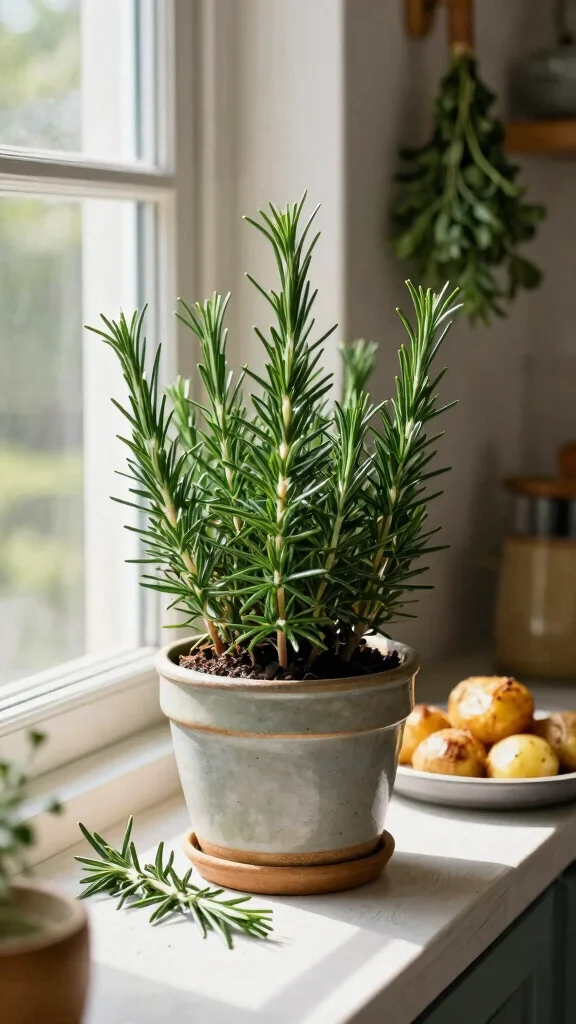
Are you eager to bring some Mediterranean flair to your meals? Rosemary is your answer. This fragrant herb adds depth to meats and vegetables while being simple to care for. Its needle-like leaves thrive in bright light, making it a delightful addition to your kitchen.
Ingredients:
– 1 rosemary plant
– Potting soil
– Water (as needed)
Instructions:
1. Choose a pot with drainage holes and fill it with potting soil.
2. Plant the rosemary, ensuring the roots are covered.
3. Water the soil lightly, allowing it to dry out between waterings.
4. Place in a sunny spot with ample light.
5. Snip sprigs as needed for cooking.
FAQs:
– Can I grow rosemary indoors? Yes, it does well in a sunny window.
– Can I use dried rosemary instead? Yes, but fresh has a more intense flavor.
Fun fact: Rosemary is one of the kitchen window plants ideas that thrives in bright light, needing about 6–8 hours of sun to stay flavorful. Regular trimming keeps it compact and aromatic, turning your morning routine into a fresh, fragrant ritual.
5. Thyme for Versatile Flavor
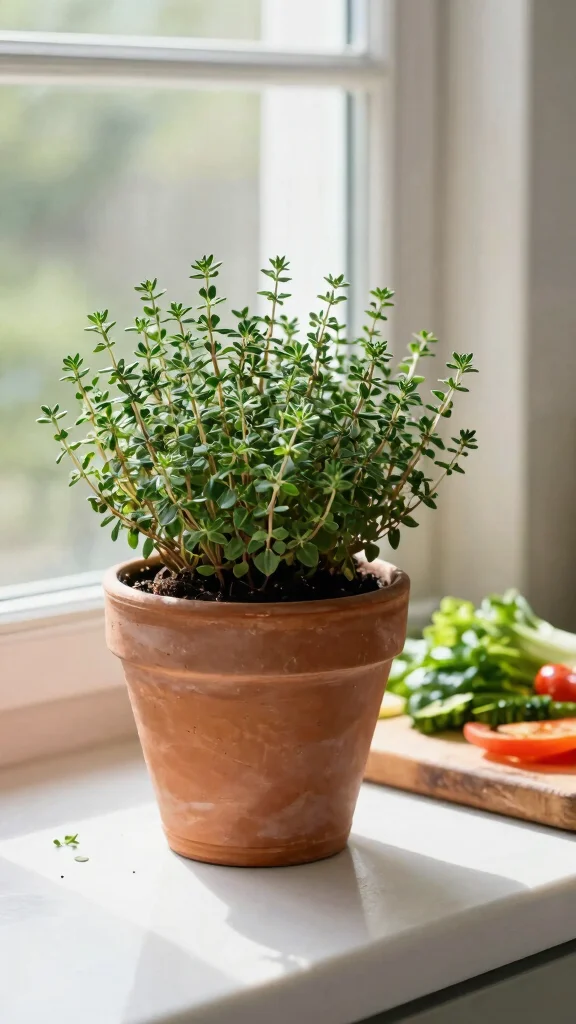
Searching for an easy herb to elevate your cooking? Thyme is a must-have. This versatile herb complements a wide range of dishes and is simple to care for. Thyme prefers full sunlight and well-drained soil, making it perfect for indoor growing.
Ingredients:
– 1 thyme plant
– Potting soil
– Water (as needed)
Instructions:
1. Plant thyme in a pot with drainage holes filled with potting soil.
2. Water lightly until the soil is moist.
3. Position it in a sunny area for optimal growth.
4. Trim regularly to promote new growth.
5. Use it in stews, soups, or roasted dishes.
FAQs:
– Can I grow thyme indoors? Yes, it thrives in pots on sunny windowsills.
– Can I use dried thyme instead? Yes, but fresh offers a more vibrant flavor.
6. Succulents for Minimalist Appeal
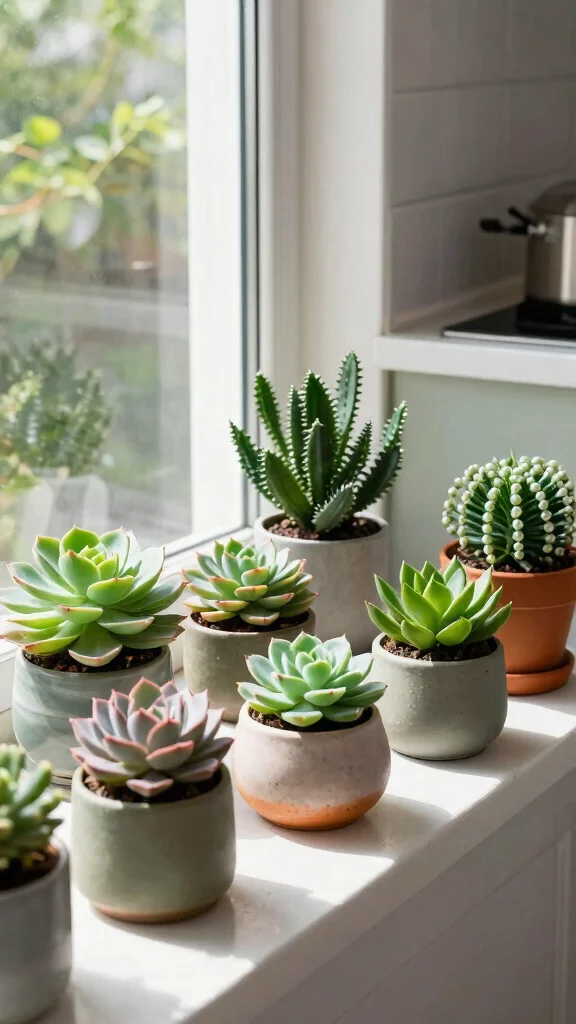
Want to add some greenery with minimal effort? Succulents are the ideal choice. These hardy plants come in stunning shapes and colors, requiring very little care. Place them in a sunny spot, and they’ll thrive with infrequent watering.
Ingredients:
– 1 or more succulent plants
– Potting soil (for succulents)
– Water (as needed)
Instructions:
1. Choose pots with drainage holes and fill them with succulent potting soil.
2. Plant the succulents, ensuring they’re not crowded.
3. Water only when the soil is completely dry.
4. Place in a bright spot with indirect sunlight.
5. Enjoy their unique shapes and colors in your kitchen.
FAQs:
– Can I mix different succulents? Yes, they can create a beautiful arrangement.
– Can I keep them in low light? They prefer bright light but can adapt to lower light conditions.
7. Spider Plant for Air Purification
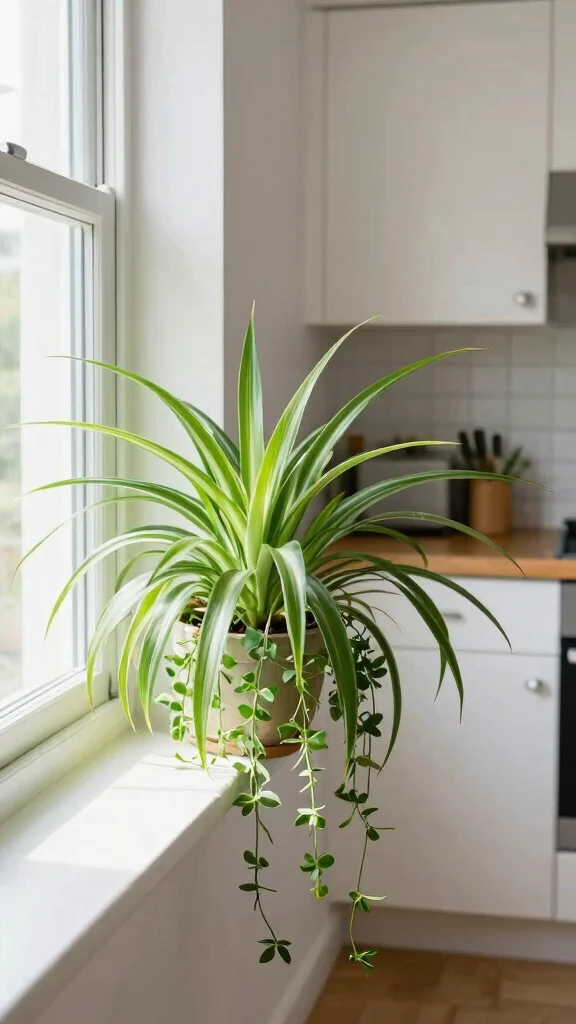
Looking for a plant that beautifies while cleaning the air? The spider plant is your perfect companion. Known for its easy-going nature, it thrives in various conditions and helps purify the air in your kitchen. Plus, those charming ‘babies’ make it even more appealing.
Ingredients:
– 1 spider plant
– Potting soil
– Water (as needed)
Instructions:
1. Select a pot with drainage holes and fill with potting soil.
2. Plant the spider plant, covering the roots.
3. Water when the top inch of soil feels dry.
4. Place in bright, indirect light for best growth.
5. Allow ‘babies’ to grow and propagate as desired.
FAQs:
– Can I keep a spider plant in low light? Yes, it can tolerate lower light but prefers brighter conditions.
– Can I propagate the babies? Yes, simply root them in water before planting.
8. Aloe Vera for Healing Benefits
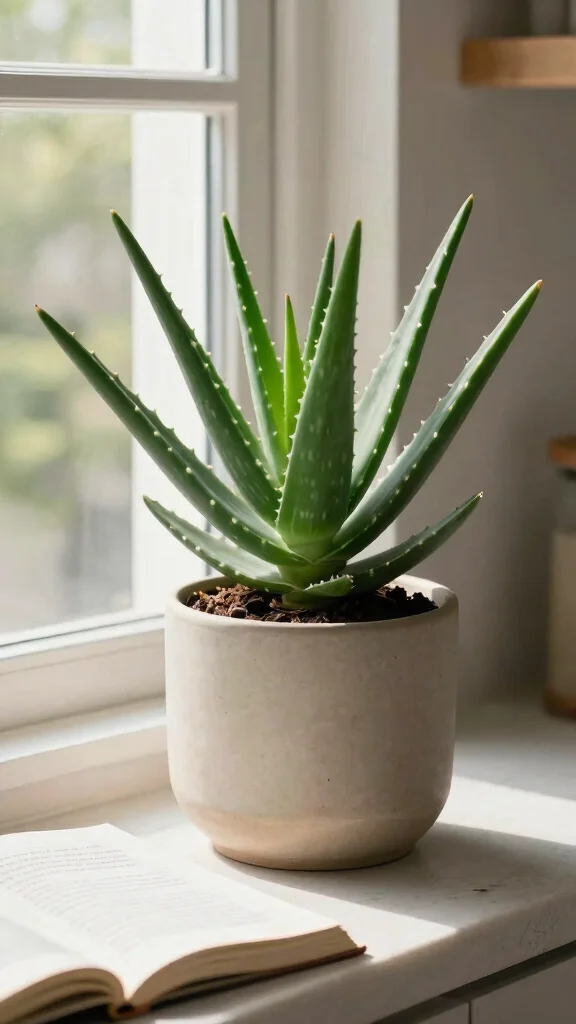
Want a plant that looks good and offers health benefits? Aloe vera is the perfect addition to your kitchen. Known for its soothing gel, it’s great for minor burns and skin irritations. This low-maintenance succulent thrives in bright light, making it easy to care for.
Ingredients:
– 1 aloe vera plant
– Potting soil
– Water (as needed)
Instructions:
1. Choose a pot with drainage holes and fill with potting soil.
2. Plant the aloe, ensuring the roots are covered.
3. Water sparingly, allowing the soil to dry out completely.
4. Place in a bright spot to encourage growth.
5. Cut leaves as needed for topical uses.
FAQs:
– Can I use aloe gel for burns? Yes, it’s excellent for soothing skin irritations.
– Can I grow aloe indoors? Yes, it thrives well indoors with proper light.
9. Pothos for Easy Care
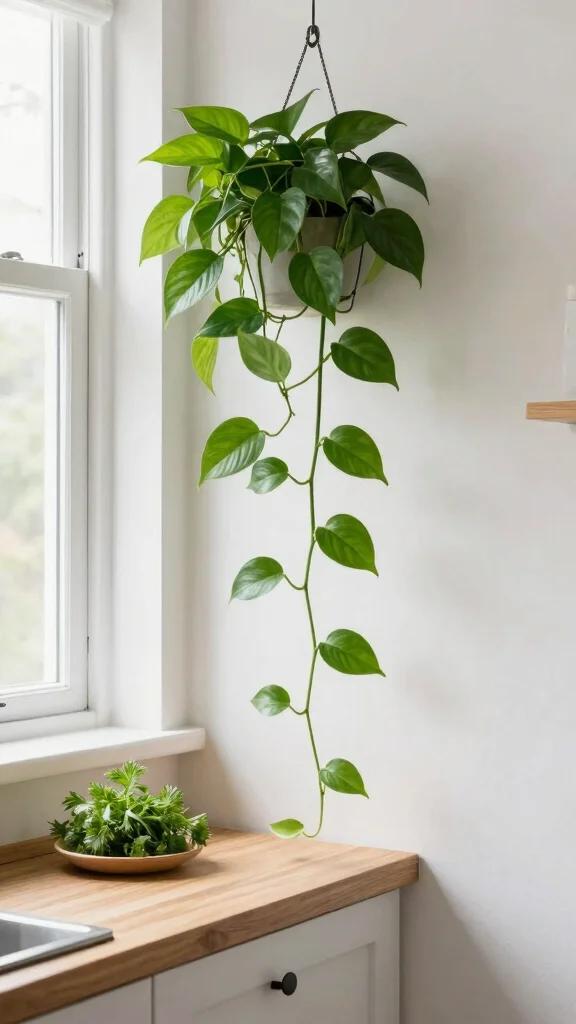
Want a plant that thrives on neglect? Pothos are incredibly forgiving and perfect for beginners. Their beautiful trailing vines and heart-shaped leaves add a touch of greenery to your kitchen effortlessly. Pothos can grow in various lighting conditions, making them versatile for any space.
Ingredients:
– 1 pothos plant
– Potting soil
– Water (as needed)
Instructions:
1. Select a pot with drainage holes and fill with potting soil.
2. Plant the pothos, covering the roots.
3. Water when the top inch of soil feels dry.
4. Place in a spot where it can get indirect sunlight.
5. Allow vines to cascade over the edge for a dramatic effect.
FAQs:
– Can I grow pothos in a low light area? Yes, they adapt well to lower light.
– Can I propagate pothos in water? Yes, simply cut a stem and place it in water until roots develop.
Fun fact: pothos vines can trail 6+ feet in a season, turning a small kitchen window into a lush green curtain. They forgive neglect, thrive in a range of light, and are super practical for beginners exploring kitchen window plants ideas.
10. Lavender for Serenity and Scent
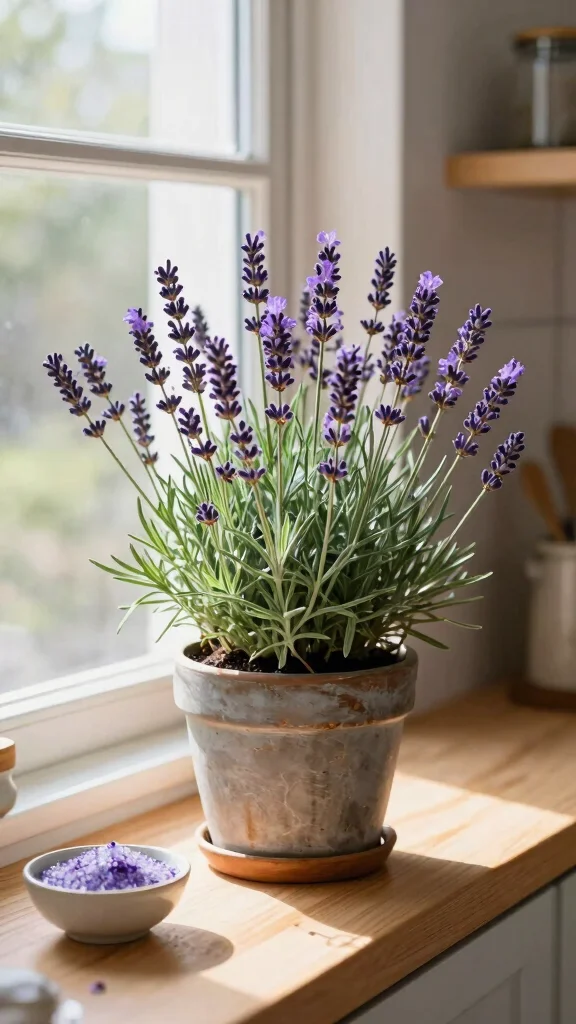
Craving a calming atmosphere in your kitchen? Lavender is your answer. This beautiful plant not only adds a lovely fragrance but also provides soothing aromatherapy benefits. It thrives in bright light and can be used in cooking or for making herbal teas.
Ingredients:
– 1 lavender plant
– Potting soil
– Water (as needed)
Instructions:
1. Choose a pot with drainage holes and fill with potting soil.
2. Plant the lavender, ensuring the roots are covered.
3. Water lightly and allow the soil to dry out between waterings.
4. Place in a bright sunny spot for optimal growth.
5. Harvest flowers to dry for later use.
FAQs:
– Can I use lavender in cooking? Yes, it adds a wonderful flavor to dishes.
– Can I grow lavender indoors? Yes, it requires good light and adequate drainage.
Fun fact: Lavender thrives in bright kitchen light and can perfume your space with a calming aroma. Plant it by the window and water when the top inch dries; snap a few sprigs for tea, sachets, or cooking. This tiny pot makes kitchen window plants ideas doable and delightful.
11. Growing Microgreens for Fresh Garnishes
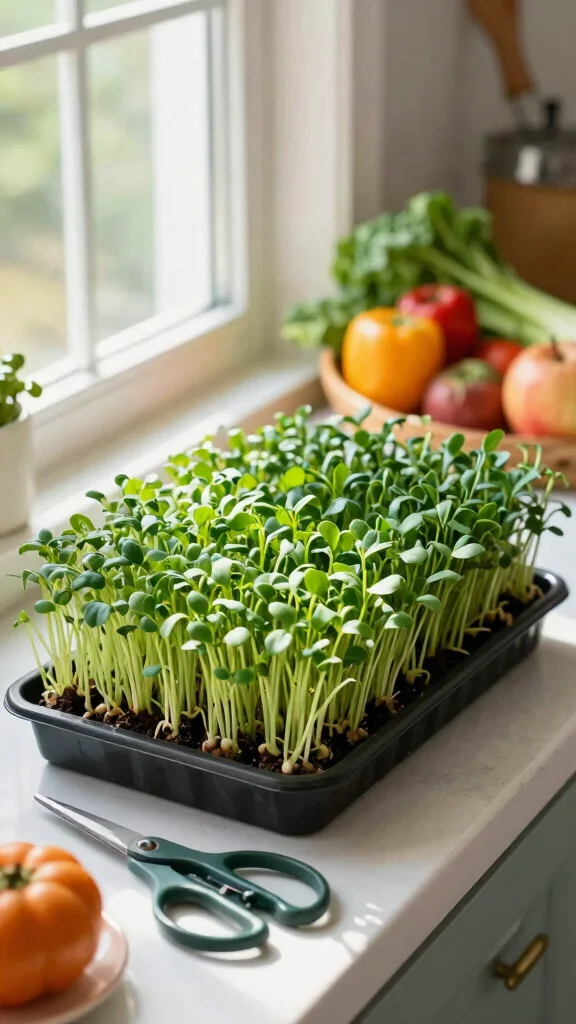
Want to add a nutritious punch to your meals? Microgreens are the perfect solution. These tiny greens are bursting with flavor and nutrients, ready to enhance your salads and sandwiches. They grow quickly, taking only about 7-14 days to harvest, making them a fun and rewarding addition to your kitchen.
Ingredients:
– Microgreen seeds (such as radish or basil)
– Shallow trays
– Potting soil
– Water (as needed)
Instructions:
1. Fill shallow trays with potting soil.
2. Sprinkle microgreen seeds evenly over the soil.
3. Lightly cover the seeds with a thin layer of soil.
4. Water gently, keeping the soil moist but not soggy.
5. Place in a sunny spot with plenty of indirect light.
FAQs:
– Can I grow microgreens indoors? Yes, they thrive well in indoor conditions.
– Can I use any seeds for microgreens? No, choose seeds specifically for microgreens for best results.
Conclusion
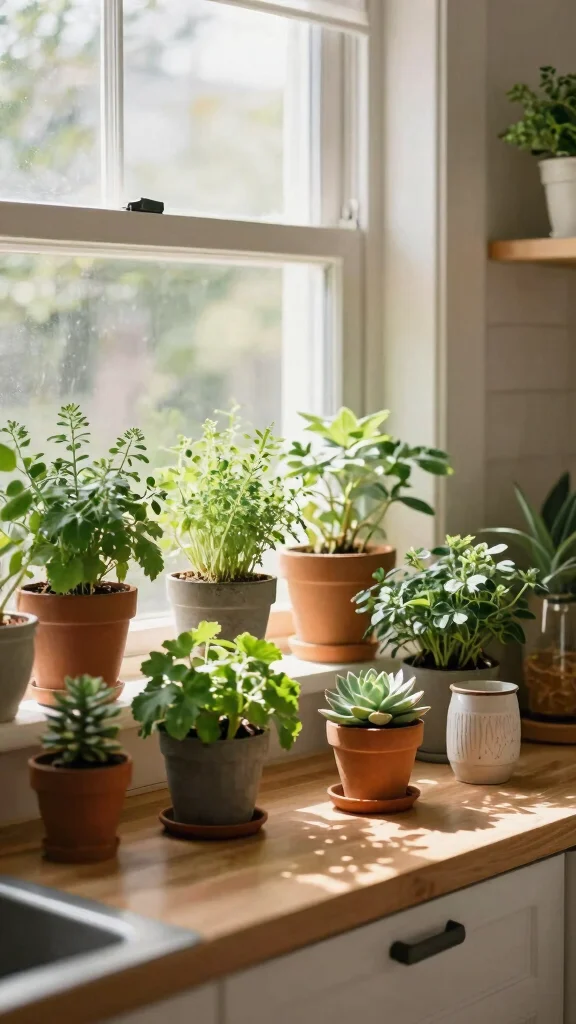
Creating a green, light-filled kitchen corner not only enhances the beauty of your space but also promotes a healthier lifestyle.
These kitchen window plant ideas are perfect for small spaces and offer a range of culinary and aesthetic benefits. By incorporating various herbs and easy-care houseplants, you’re set to transform your kitchen into a lively, refreshing oasis every morning. With just a little effort, each day starts with a burst of greenery that perks you up and inspires your culinary adventures.
Note: We aim to provide accurate product links, but some may occasionally expire or become unavailable. If this happens, please search directly on Amazon for the product or a suitable alternative.
This post contains Amazon affiliate links, meaning we may earn a small commission if you purchase through our links, at no extra cost to you.
Frequently Asked Questions
What kitchen window plants ideas work best for a small kitchen with a windowsill?
Great question! For a small kitchen, prioritize compact, easy-care herbs and a couple of hardy indoor plants that tolerate bright, natural light. Try basil, parsley, chives, and thyme on the windowsill, plus a pothos or spider plant to add greenery without crowding. Use shallow pots with drainage, a light all-purpose soil, and consider a tiered rail or small wall shelves to maximize space. Water when the top inch of soil dries, prune regularly to keep plants compact, and rotate pots every couple of weeks so every plant gets a fair share of light. With these kitchen window plants ideas, your bright corner stays lush and usable every morning.
Which window sill herbs are easiest to grow in a small kitchen with natural light?
Window sill herbs like basil, chives, thyme, oregano, and parsley often thrive in small spaces if you give them bright, natural light. Place them on a sunlit window (south or east facing if possible); use pots with drainage; use a light, well-draining potting mix; pinch new growth to keep them compact; harvest regularly. Rotate pots weekly to keep all plants evenly illuminated, and water consistently without letting the soil stay soggy. By focusing on these window sill herbs, you’ll have fresh flavors at your fingertips every day.
How can I create a lush, light-filled corner using kitchen window plant ideas and easy-care houseplants?
Start with a clear plan: measure your window and decide which plants fit the space. Combine sun-loving herbs with hardy easy-care indoor plants like pothos, snake plant, and spider plant to add height and texture as part of natural light gardening. Use a small shelving unit or vertical planters to create layers, put herbs on the sill for quick snips, and back them with taller plants. Use reflective surfaces to boost brightness, water and fertilize as needed, prune leggy growth, and rotate monthly. With these kitchen window plants ideas you can craft a lush corner that brightens mornings.
What are the best practices for caring for window sill herbs and other indoor plants in a small space?
Set a simple routine: water on a schedule, check soil moisture, ensure drainage, fertilize monthly with a balanced fertilizer, prune regularly, and clean leaves to maximize light absorption. Use a drainage tray to prevent spills. Keep pests at bay by inspecting leaves weekly. Group plants with similar needs; that helps you avoid over- or under-watering. Use self-watering pots for busy days; label herbs to avoid mixing flavors. With these tips, your small-space garden stays vibrant and easy to manage.
Can I grow practical herbs like basil, parsley, and chives on a kitchen window, and how much light do they need?
Absolutely. Basil, parsley, and chives thrive in bright light—aim for about 4-6 hours of direct or very bright indirect light per day. If your window doesn’t deliver that, supplement with a small LED grow light for a few hours daily. Use compact pots, ensure good drainage, and keep soil consistently moist but not soggy. Harvest regularly to promote bushier growth. Move plants to sunnier spots during the day or use a light-colored reflector to bounce more light onto them. These kitchen window plants ideas help you enjoy fresh herbs every morning.
Related Topics
kitchen window plants
small space gardening
window sill herbs
easy care houseplants
natural light gardening
indoor gardening
herb gardening
beginner friendly
low maintenance plants
lively kitchen decor
sun-loving plants
seasonal herbs