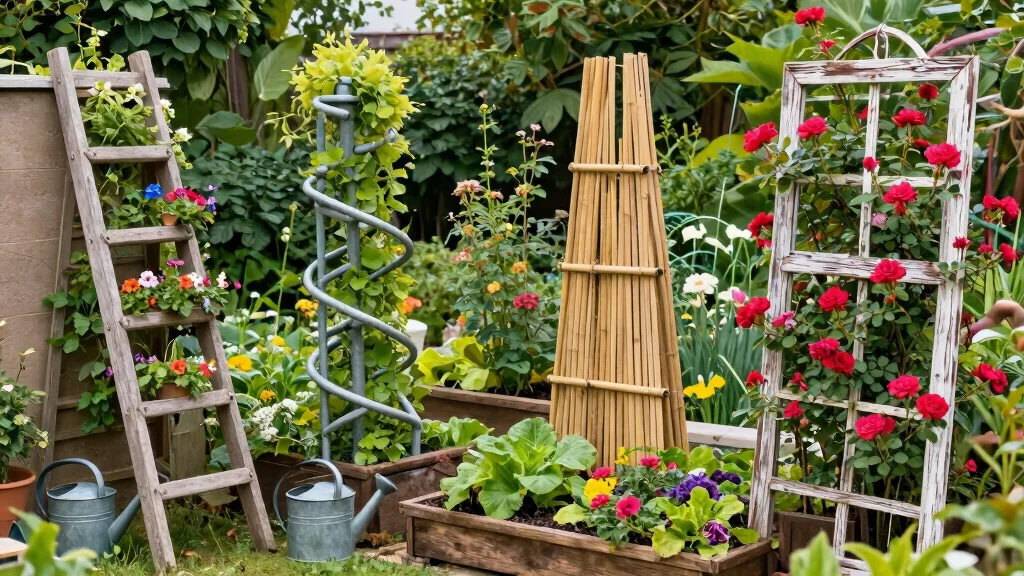
Gardening season is on the horizon, and I can’t help but feel excited about the endless possibilities for my green oasis. I’ve been on the hunt for ways to elevate my outdoor space without breaking the bank. That’s why I created this post! If you’re someone who loves nurturing plants and wants to add some flair to your garden, I think you’ll find this helpful.
You don’t need to spend a fortune to create stunning support structures for your climbing plants. In fact, many of the best ideas come from repurposing items you likely already have lying around your home. In this article, I’ve gathered 11 homemade trellis ideas that are creative, budget-friendly, and simple enough for anyone to try. Whether you’re into vintage aesthetics or modern designs, there’s something here for every gardener looking to make the most of their vertical gardening solutions.
As you dive into these DIY garden projects, you’ll discover how easy it is to turn everyday objects into beautiful garden trellis designs. You’ll not only save money, but you’ll also contribute to a more sustainable approach by upcycling materials. Let’s get those plants climbing and your garden thriving!
Key Takeaways
– Variety of Ideas: Explore 11 unique homemade trellis ideas that cater to different styles, from rustic to modern.
– Upcycling Focus: Learn how to repurpose everyday items like old ladders and window frames into functional garden structures.
– Budget-friendly Solutions: No need for expensive materials; all ideas utilize things you may already have at home.
– Easy Implementation: Each trellis idea includes simple steps to ensure you can create your own garden support with minimal effort.
– Increased Garden Space: Discover how these vertical gardening solutions can help maximize your planting area and improve the look of your garden.
1. Vintage Ladder Trellis
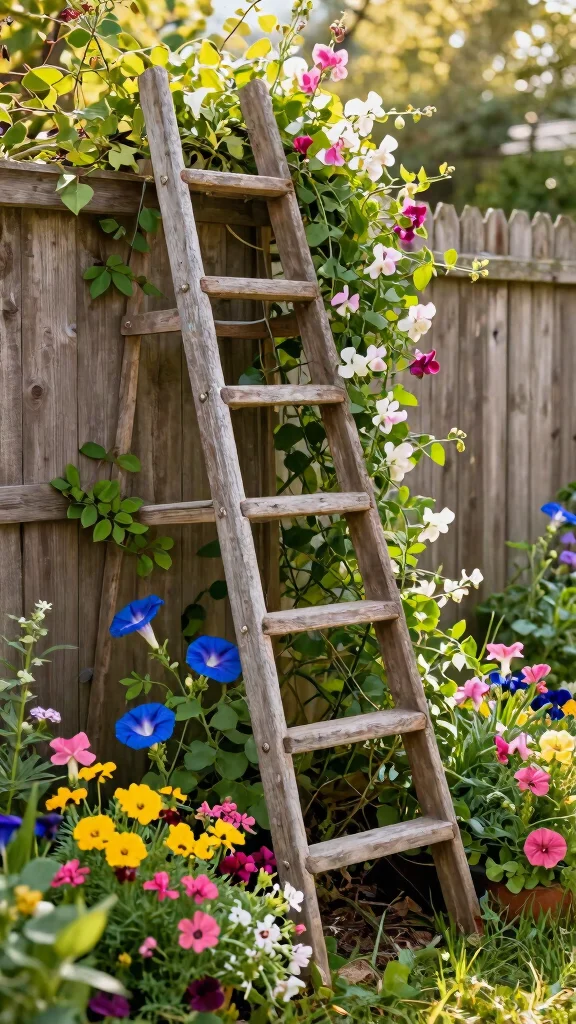
Looking for a charming addition to your garden? An old wooden ladder can easily be transformed into a beautiful trellis! Simply lean it against a wall or fence and watch your climbing plants weave through the rungs, creating a rustic focal point that speaks to your love of garden aesthetics.
To get the most out of this trellis, choose a ladder that’s both sturdy and tall enough to support your chosen plants. Secure it for stability and consider giving it a fresh coat of paint to match your garden’s vibe.
Key benefits of a Vintage Ladder Trellis:
– Easy to Assemble: Just position the ladder and let nature take its course.
– Versatile Design: Perfect for a range of plants like beans and flowers.
– Aesthetic Appeal: Brings a vintage charm to any outdoor space.
By planting colorful flowers at the base, you can enhance the visual impact and create a stunning backdrop!
2. Garden Fence Panels
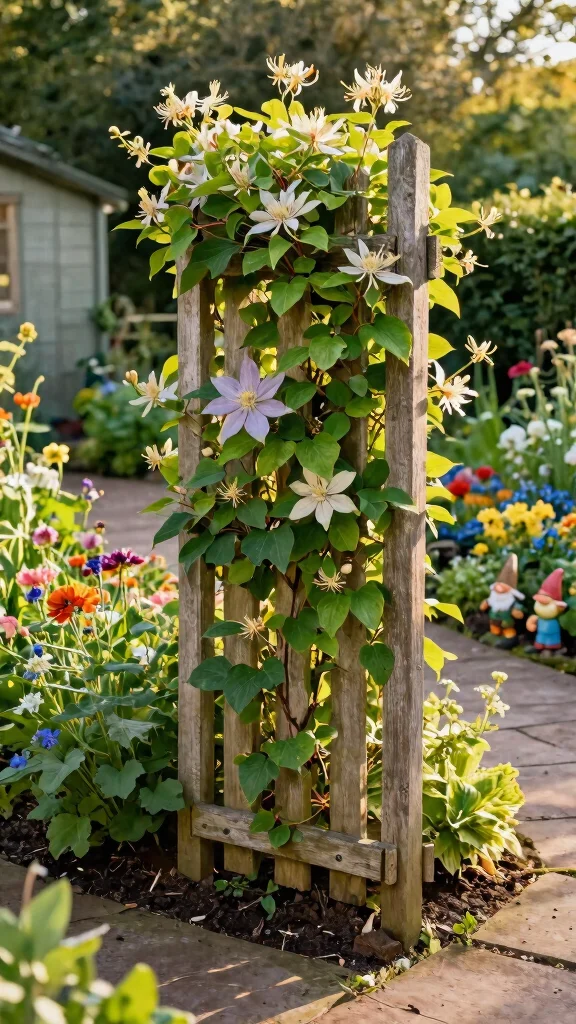
Have some old fence panels lying around? They can be easily transformed into decorative trellises that not only support climbing plants but also add a stylish screen to your garden. Mount them vertically and let your greenery flourish, creating a beautiful garden feature.
To make the most of your fence panel trellis, ensure they are secured properly and consider painting them in earthy tones to blend seamlessly with your garden. Adjust the height based on your layout for maximum effect.
Advantages of Using Fence Panels:
– Sturdy Construction: Built to withstand the elements for long-lasting durability.
– Privacy Feature: Provides a screen while nurturing beautiful plants.
– Customized Height: Tailor the panels to fit your garden layout perfectly.
Enhance the area with climbing vines and fragrant flowers for a lush, inviting space.
3. Bamboo Stick Trellis
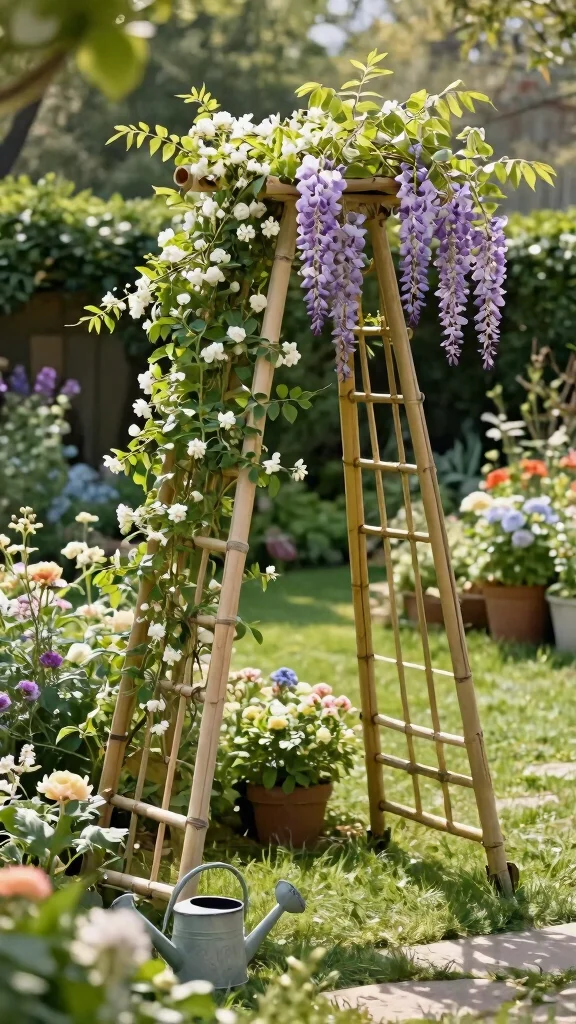
Bamboo sticks offer a lightweight yet sturdy option for creating trellises. You can design simple A-frame structures or stylish crisscross patterns to add a modern flair to your garden. This eco-friendly material is not only sustainable but also incredibly versatile.
For the best results, gather bamboo sticks of similar lengths and decide on your preferred design. Whether you opt for an A-frame or a crisscross style, you’ll find that bamboo is easy to work with and visually appealing.
Why Use Bamboo?:
– Eco-Friendly: Quickly renewable and sustainable.
– Lightweight: Simple to handle and assemble.
– Aesthetic Variety: Adds a tropical or Asian-inspired touch to your garden.
Consider incorporating colorful flowering vines that can twine around the bamboo, creating a stunning vertical garden feature!
4. Old Window Frame Trellis
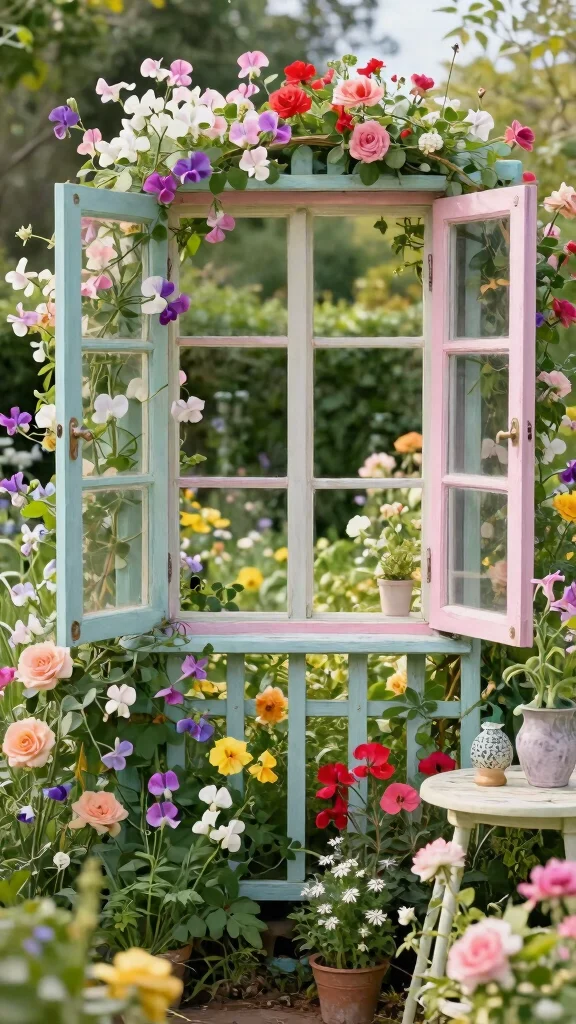
Transform an old window frame into a whimsical trellis that doubles as unique garden art! This creative approach lets you support climbing plants while adding a splash of color and charm to your outdoor space. Paint it in bright hues to match your garden’s personality.
To create your window frame trellis, clean the frame and secure it vertically in your garden. Choose climbing plants like peas or cucumbers to grow at its base for maximum effect.
Unique Features of Window Frame Trellis:
– Artistic Touch: Infuses character and charm into your garden.
– Easy to Make: Simply clean and attach it vertically.
– Customizable: Paint or decorate to fit your theme.
Mix in various plants for a colorful display, and consider adding fairy lights for a magical evening glow!
5. PVC Pipe Trellis
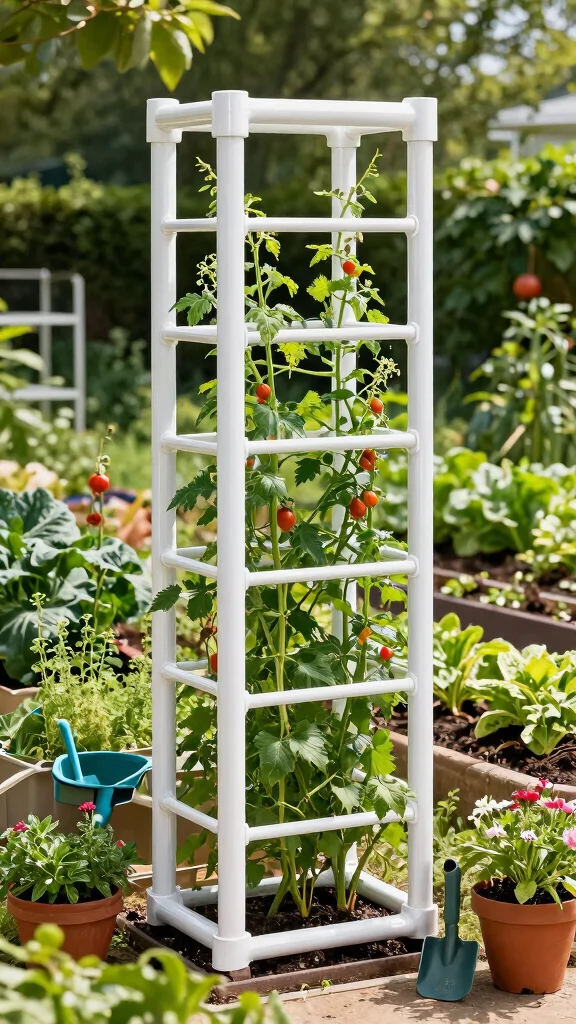
For a modern twist, why not build a trellis using PVC pipes? They’re lightweight, durable, and water-resistant, making them perfect for supporting a wide range of climbing plants. You have the flexibility to create geometric shapes or simple grids, tailored to your garden design.
When constructing your PVC trellis, cut the pipes to your desired lengths and connect them using elbow joints for stability. Stake them securely in the ground for best results.
Advantages of PVC Pipes:
– Weather Resistant: Stands up to the elements without rotting.
– Lightweight and Strong: Easy to work with while providing solid support.
– Easily Customizable: Simple cuts allow for various designs.
Add colorful climbing plants for a contemporary garden look that’s sure to impress!
6. Wire and Twine Trellis
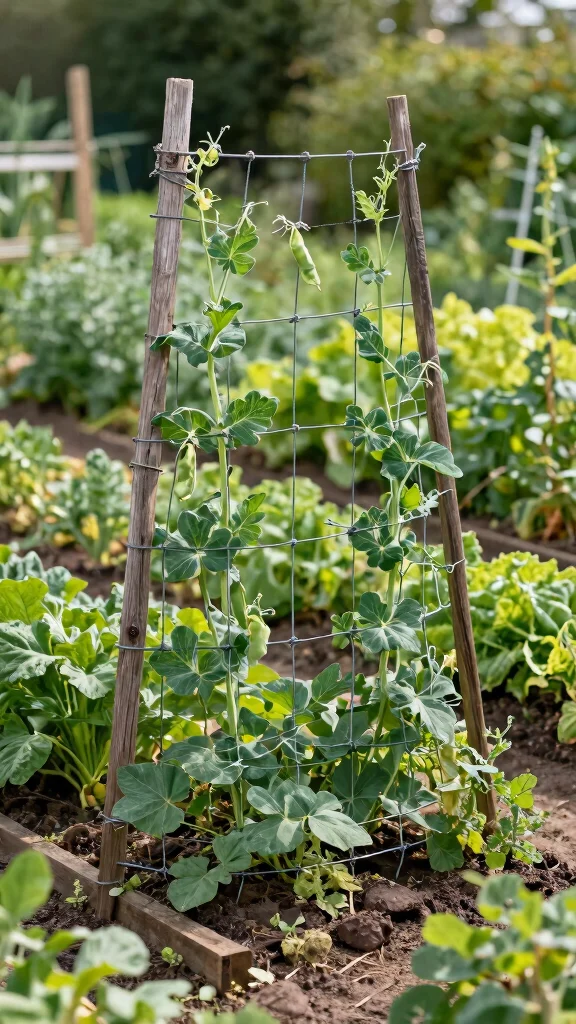
With just a bit of wire and twine, you can create a simple yet effective trellis for your light climbing plants. This affordable method is easy to set up and provides excellent support for peas, beans, and more!
To build your wire and twine trellis, hammer stakes into the ground and run wire or twine between them. Adjust the height and width to fit your garden needs, making it as simple or complex as you desire.
Benefits of Wire and Twine Trellis:
– Cost-Effective: Minimal investment for maximum support.
– Flexible Design: Adjust height and width as needed.
– Simple Construction: Requires no special tools or skills.
This straightforward trellis not only supports your plants but also keeps your garden organized and easy to maintain.
7. Repurposed Furniture Trellis
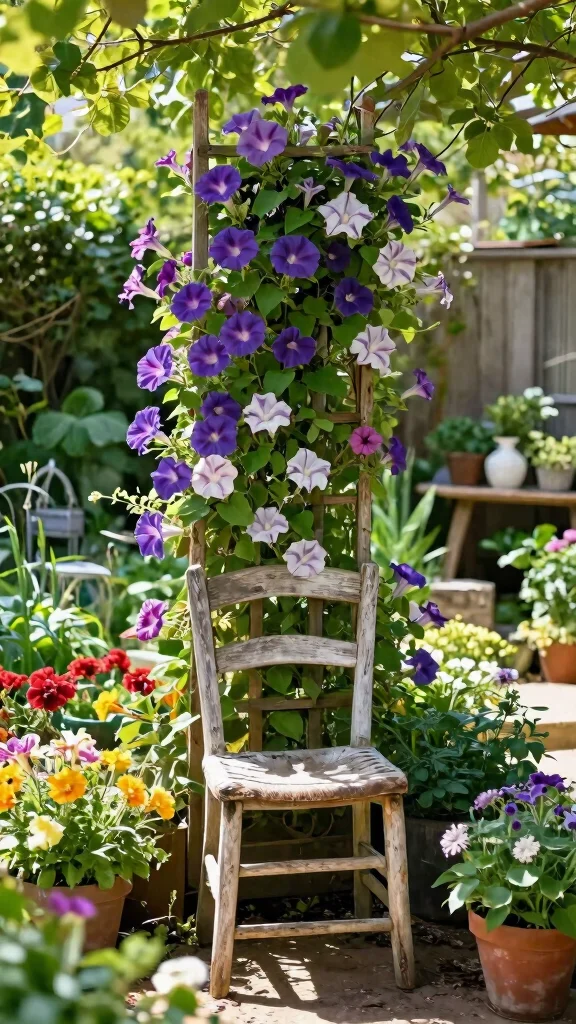
Got an old piece of furniture that’s lost its charm? Repurpose it into a quirky trellis! Chairs, dressers, or even bookshelves can add unique character to your garden while supporting your climbing plants.
To transform furniture into a trellis, choose a piece that can support plant growth. Clean it up, paint it if you wish, and position it in your garden for a stunning display.
Why Repurpose Furniture?:
– Unique Aesthetic: Stand out with a one-of-a-kind design.
– Creative Recycling: Give new life to forgotten furniture.
– Multi-Functional: Use for storage or décor.
Your garden will shine with personality and creativity, reflecting your eco-friendly spirit!
Ever kept an old chair just in case? With homemade trellis ideas, repurpose it into a trellis and watch vines climb with character. It’s easy, affordable, and turns forgotten furniture into garden focal points.
How To Choose The Right Homemade Trellis
When it comes to enhancing your garden’s vertical space, choosing the right homemade trellis can make all the difference. Here are some factors to consider when selecting the perfect option for your gardening needs:
1. Size
Measure the area where you plan to place your trellis. Consider the height and width you want. A trellis should be tall enough to support your climbing plants, which can vary from a few feet for smaller plants to over six feet for larger varieties. Ensure it fits comfortably in your garden without overwhelming the space.
2. Material
The material you choose affects both durability and aesthetics. Common options include wood, bamboo, and metal. Wooden trellises blend well with natural landscapes but may require maintenance. Bamboo is lightweight and strong, while metal offers durability but can be more expensive. Pick a material that fits your style and weather conditions.
3. Design
Consider the design of the trellis. You might prefer a simple vertical structure or something more intricate like an arch or lattice. The design should complement your garden’s theme and support the plants you plan to grow. If you’re using repurposed items, think creatively about how they can be arranged to form an eye-catching design.
4. Stability
A trellis needs to be stable enough to support climbing plants, especially in windy conditions. When constructing your trellis, ensure it is securely anchored in the ground. If you’re using lighter materials like PVC, consider adding weight at the base or using stakes to keep it upright.
5. Budget
Your budget will influence your choices significantly. Homemade trellises can be built with inexpensive or even free materials. Before you start, outline how much you are willing to spend. This will help narrow down your options and encourage creative solutions using what you already have.
6. Plant Type
Different plants will require different types of support. For example, heavy vines like grapes will need a sturdier trellis, while lighter flowers like sweet peas can use a more delicate structure. Research the plants you want to grow and their climbing habits to ensure your trellis can handle their needs.
Pro Tip: Before finalizing your design, sketch it out or create a model. This will help you visualize the final product and make adjustments as needed. Don’t hesitate to get feedback from fellow gardeners or friends; they might offer insights that could enhance your project!
By considering these factors, you can create a homemade trellis that not only looks great but also supports your garden’s vertical growth effectively. Happy gardening!
8. Chicken Wire Trellis
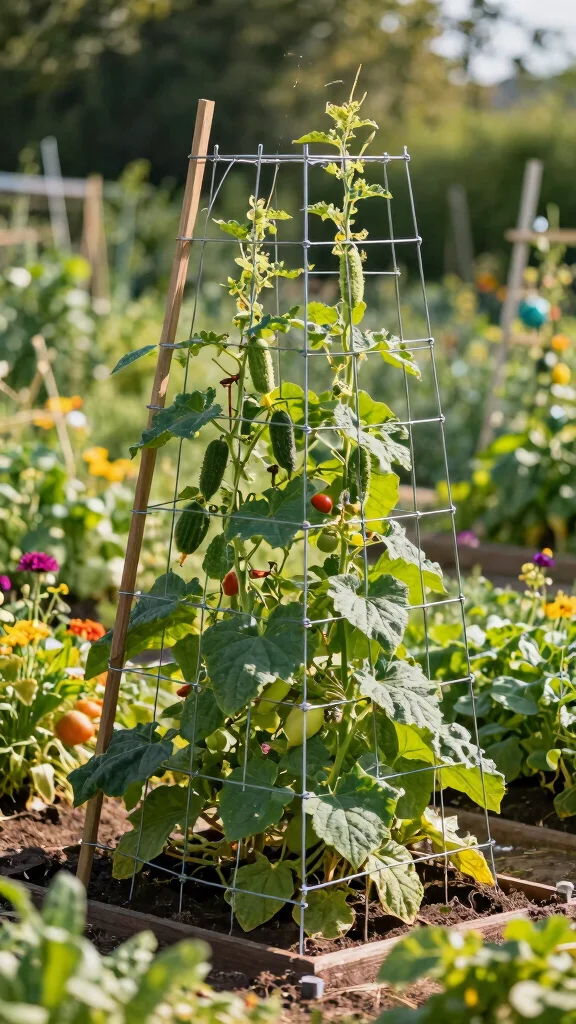
Chicken wire is an excellent choice for building a trellis. Its flexibility and sturdiness make it ideal for supporting heavier plants like tomatoes and cucumbers. This economical option can help create a supportive environment for your plants to thrive.
To make a chicken wire trellis, cut the wire to your desired size and secure it to a frame or stake it directly into the ground. This simple design allows for easy access and maintenance of your plants.
Why Choose Chicken Wire?:
– Versatile Use: Ideal for various climbing plants.
– Cost-Efficient: Inexpensive and available at most stores.
– Easy to Install: Simply attach to a frame or stake.
Your garden will flourish with this practical solution, ensuring your plants remain healthy and upright!
9. Rustic Wood Pallet Trellis
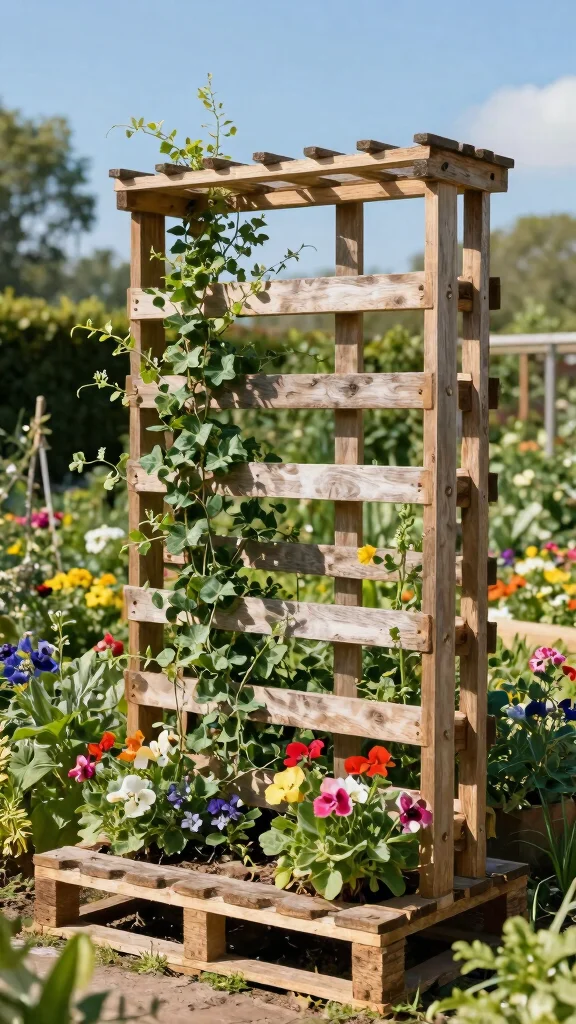
Wood pallets are a fantastic resource for upcycled gardening! They can easily be converted into trellises by propping them against a wall or fence, creating a vertical garden space. This rustic option is both functional and visually appealing.
To construct a wood pallet trellis, find a sturdy pallet and secure it against a wall or fence. Plant climbing plants at the base to enhance the rustic aesthetic.
Advantages of Wood Pallet Trellis:
– Eco-Friendly: Reuses materials that would otherwise be wasted.
– Rugged Charm: Adds a rustic look to your garden.
– Customizable Size: Adjust according to your space.
Combine this with colorful flowers or herbs for a stunning vertical garden display.
Did you know that one wood pallet can become a sturdy trellis for multiple climbing plants, turning 6 feet of wall into a vertical harvest? This is one of the easiest homemade trellis ideas—eco-friendly, affordable, and built in under an hour with basic tools.
10. Hula Hoop Trellis
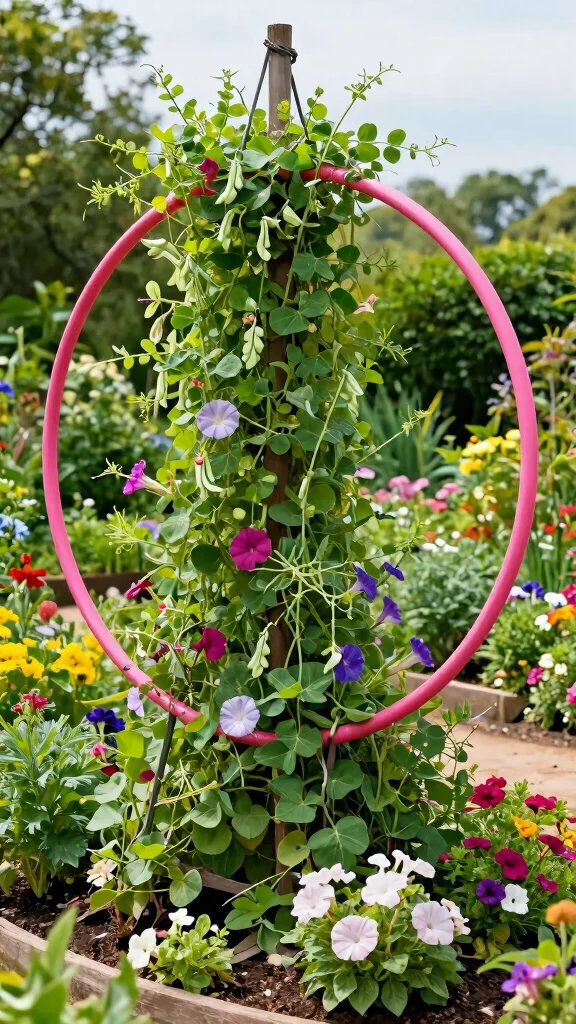
For a fun twist on trellis-making, consider using an old hula hoop! This playful idea allows you to paint the hoop in vibrant colors and hang it for climbing plants to spiral around. It adds a unique element of creativity to your garden layout.
To create your hula hoop trellis, simply paint the hoop in cheerful colors and attach it to a stake or hang it from a sturdy branch. Position climbing plants at the base to encircle the hoop as they grow.
Why Use a Hula Hoop?:
– Unique Design: Adds a playful twist to your garden.
– Lightweight: Easy to set up and move.
– Vibrant Colors: Brightens up your outdoor space.
This quirky design will bring joy and a smile to your garden!
11. Repurposed Cattle Panels
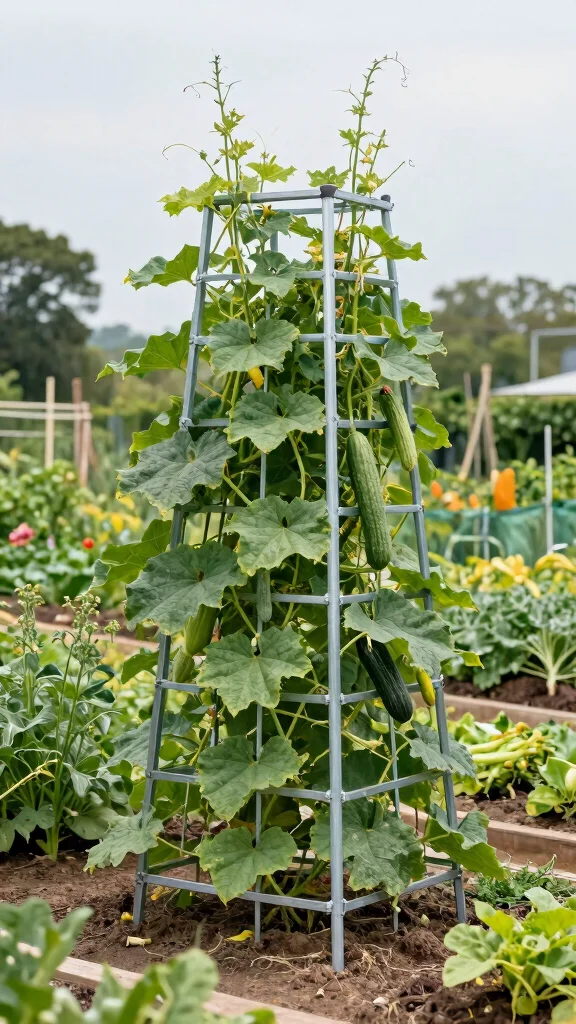
If you have access to cattle panels, these sturdy structures make fantastic trellises! They provide robust support for heavier climbing plants while allowing easy access for maintenance and picking.
To install a cattle panel trellis, position it vertically and secure it in place with stakes or brackets. Plant climbing plants nearby to let them spread across the structure for a lush vertical garden.
Benefits of Cattle Panel Trellises:
– Strong Support: Holds up heavy plants with ease.
– Long-Lasting: Built from durable materials for outdoor use.
– Efficient Space Utilization: Ideal for maximizing vertical gardening space.
This option is perfect for serious gardeners looking to enhance their yield while adding attractive vertical elements to their outdoor area!
Fun fact: a single repurposed cattle panel trellis is a powerhouse among homemade trellis ideas, supporting heavy climbers like tomatoes with minimal staking. Install it vertically, brace it, and plant nearby so vines reach the top for a lush vertical garden.
Conclusion
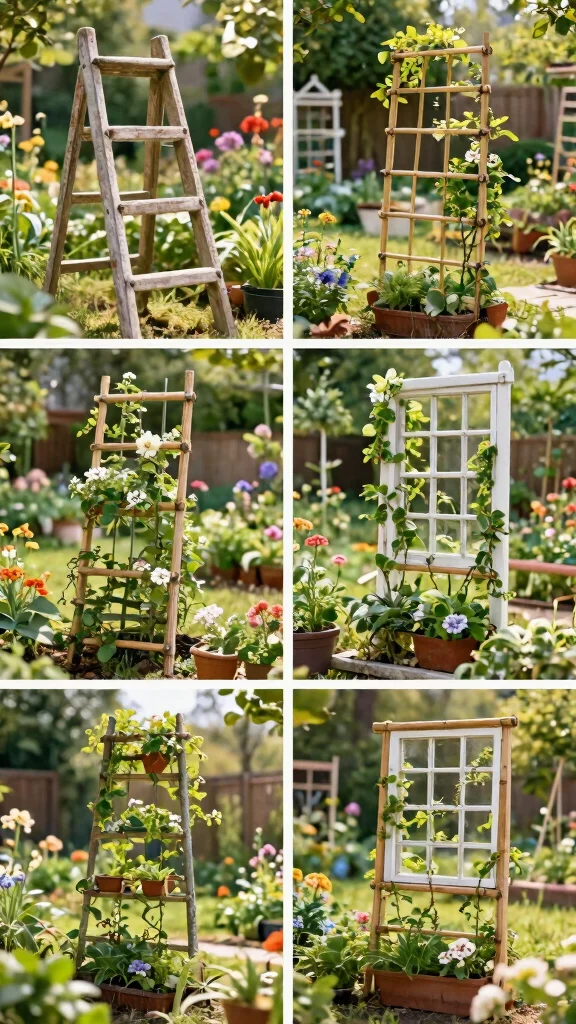
Crafting your own trellis not only enhances your garden’s aesthetic but also supports plant growth effectively. Using materials you already have around the house encourages creativity while being budget-friendly. Whether you opt for a vintage ladder or a playful hula hoop, these homemade trellis ideas can transform any garden space into a verdant paradise. Get inspired and start crafting your own unique structures, then watch your garden thrive and bloom in new ways!
Note: We aim to provide accurate product links, but some may occasionally expire or become unavailable. If this happens, please search directly on Amazon for the product or a suitable alternative.
This post contains Amazon affiliate links, meaning we may earn a small commission if you purchase through our links, at no extra cost to you.
Frequently Asked Questions
What are some beginner-friendly homemade trellis ideas using items you already have?
Here are a few beginner-friendly homemade trellis ideas you can try today: an old wooden ladder propped against a wall with twine between the rungs makes a quick vertical climbing support; repurpose a window screen, picture frame, or pallet slats into a lightweight wall trellis; a simple PVC pipe frame with mesh creates a sturdy space for vines. You can also stretch chicken wire or hardware cloth over a wooden grid to handle heavier climbers. A repurposed door or garden gate can become a dramatic, wide trellis for sprawling plants. These options fit into DIY garden projects and repurposed materials for gardening, and they offer flexible garden trellis designs and effective vertical gardening solutions.
How do I choose the right garden trellis design for different plants?
Start by matching plant needs to structure: lightweight climbers (peas, beans) do well on a simple grid or ladder trellis; heavier plants (tomatoes, cucumbers) benefit from cross-braced frames, a freestanding A-frame, or a wall-mounted lattice anchored to a solid post. Measure the mature height and spread, choose moisture-resistant materials, and leave room for air circulation. With these basics, you’re ready for DIY garden projects and creative garden support ideas.
What safety tips should I follow when building upcycled trellises?
Safety first: anchor your trellis to a sturdy support (wall, fence post, or ground stake) using stainless screws or long zip ties. Sand or file any sharp edges and remove protruding nails. Use weatherproof wood treatment or metal that won’t rust; avoid toxic paints on edible gardens. Check weight rating and never overload; add cross-bracing for stability; use guy wires for tall setups. Regularly inspect for wobble after storms. These practices are part of repurposed materials for gardening and DIY garden projects.
Can upcycled trellises really support heavy plants like tomatoes or squash?
Yes, but you must design for load. Use a solid base with vertical posts set in concrete or heavy-duty brackets; add diagonal bracing and a rigid panel (hardware cloth or welded mesh) to distribute weight. For tall vines, pull a couple of guy lines to prevent sway. Opt for durable materials like treated wood, galvanized metal, or heavy-gauge hardware cloth. This is part of vertical gardening solutions and creative garden support ideas and ties into repurposed materials for gardening.
How can I tailor these homemade trellis ideas for small spaces or balconies?
For small spaces or balconies, go wall-mounted or freestanding with a narrow footprint. Use a lattice panel mounted on the railing or wall; lean a tall, slim A-frame against a trellis; or create a vertical planter with a back panel and removable pots. You can repurpose a garden gate or pallet slats as a slim trellis along a balcony wall. These fit creative garden support ideas and DIY garden projects, and they expand your homemade trellis ideas for tight spaces.
Related Topics
homemade trellis ideas
upcycled gardening
DIY garden projects
vertical gardening
repurposed materials
creative garden support
budget friendly gardening
beginner friendly
outdoor decor
eco-friendly gardening
quick trellis solutions
seasonal gardening