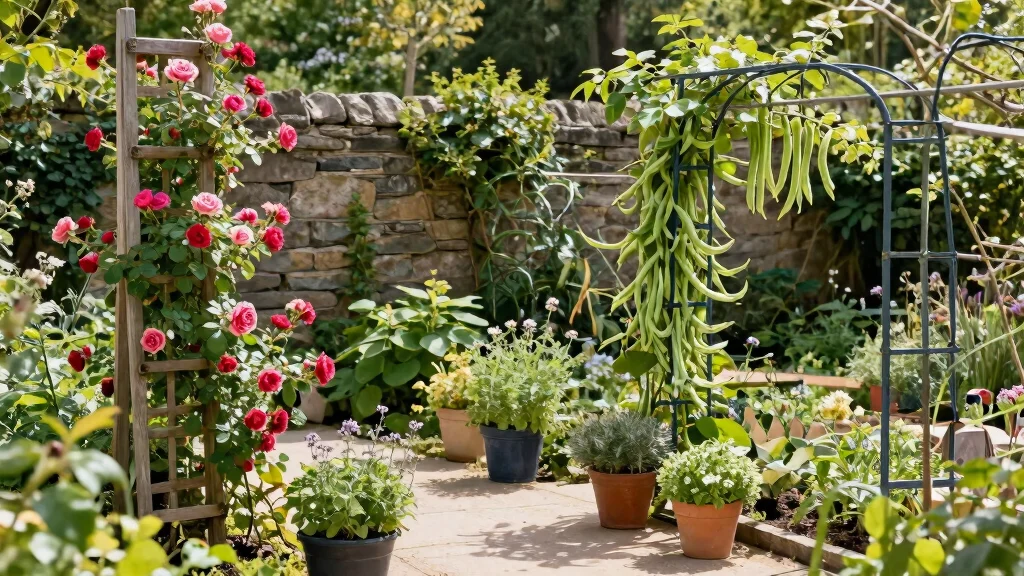
Building a sustainable trellis is more important than ever in today’s gardening world. If you’re like many gardeners, you crave a beautiful structure that supports your plants for years to come. You want something that withstands the elements, from strong winds to heavy rain, while also being eco-friendly. That’s why I’ve created this guide on how to build a trellis that truly holds up through it all.
This post is for anyone passionate about gardening—whether you’re a seasoned green thumb or just starting out. If you love vertical gardening and want to explore trellis design ideas that last, you’re in the right place. Here, you’ll find twelve solid tips that focus on durable materials, weather-resistant features, and practical DIY trellis tips. Plus, I’ll help you personalize your trellis to make it uniquely yours.
By the end of this post, you’ll be armed with the knowledge and confidence to create a trellis that not only supports your plants but also enhances the beauty of your garden. Let’s dig in!
Key Takeaways
– Durable Materials: Choose long-lasting materials like treated wood or metal to ensure your trellis withstands wind and rain.
– Height and Support: Plan for the right height and sturdy support to accommodate the climbing plants you want to grow.
– Eco-Friendly Treatments: Use natural treatments to protect your trellis while being kind to the environment.
– Weather-Resistant Features: Incorporate design elements that help your trellis resist harsh weather conditions.
– Regular Maintenance: Schedule seasonal checks to maintain the integrity and appearance of your trellis over time.
1. Go for Durable Materials
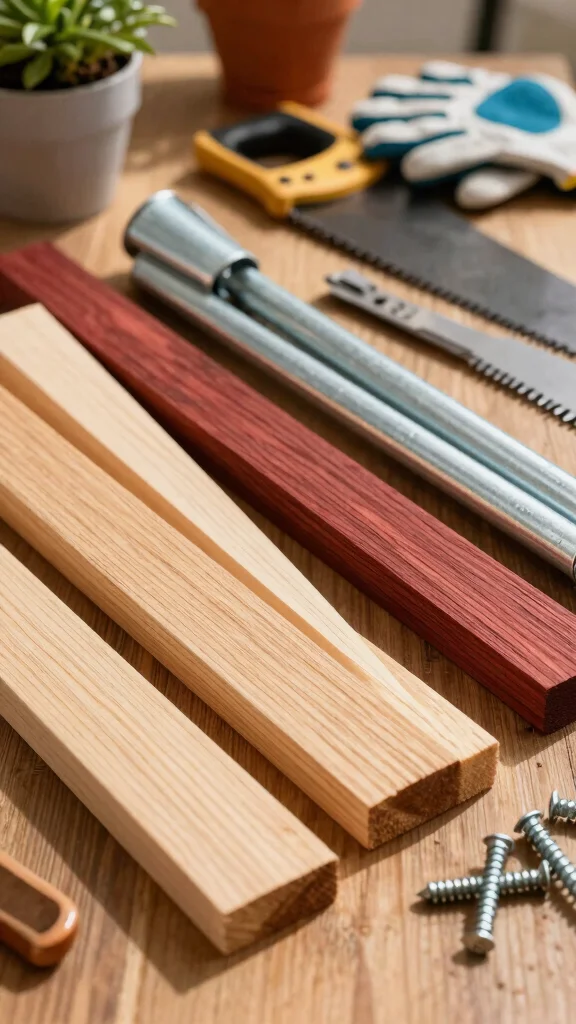
Building a trellis requires thoughtful material choices that can significantly enhance its durability. Opting for sturdy options like cedar, redwood, or galvanized steel not only ensures your trellis can withstand harsh weather but also adds a charming touch to your garden. Cedar and redwood resist decay naturally, making them perfect for outdoor use, while galvanized steel offers a sleek, modern aesthetic and incredible strength.
Choose materials wisely to create a lasting structure. Consider treated wood for extra longevity, but always ensure it’s safe for your plants. A solid foundation begins with the right materials!
Key materials to explore:
– Cedar: Naturally rot-resistant and aromatic for a rustic feel.
– Redwood: Beautiful color and durability against the elements.
– Galvanized Steel: Sleek look with unmatched strength.
Selecting the best materials strengthens your trellis and enhances your garden’s overall appearance.
Did you know cedar, redwood, or galvanized steel can add 20+ years of life to a trellis? When you know how to build a trellis with durable materials, you reduce weather damage and DIY maintenance—wind, rain, and years of growth don’t stand a chance.
How To Choose The Right Trellis
Choosing the right trellis for your garden can be a game changer. A durable trellis not only supports your plants but also withstands the elements over the years. Here are some tips to guide you in selecting the best option for your vertical gardening needs.
1. Material Matters
The material you choose for your trellis is vital for its longevity. Common materials include wood, metal, and vinyl. Wooden trellises give a rustic charm but may need regular maintenance. Metal options, like steel or aluminum, tend to be more durable and weather-resistant. Vinyl offers a low-maintenance alternative but might not support heavier plants as well.
2. Consider Height and Support
Think about how tall your plants can grow and choose a trellis that provides ample support. A trellis needs to be at least 6-8 feet tall for climbing vegetables and flowers. Make sure it has sturdy anchoring at the base to withstand wind and rain. If you’re growing heavier crops like tomatoes or cucumbers, opt for a trellis with multiple support beams.
3. Design Considerations
Your trellis should blend well with your garden aesthetics while serving its purpose. Look for trellis design ideas that complement your landscape. A decorative trellis can enhance your garden’s beauty and create a focal point. Arched or lattice designs not only add flair but also provide more climbing space for plants.
4. Weather-Resistant Features
Ensure your trellis is designed to withstand different weather conditions. Look for features like rust-resistant coatings or treated wood that can endure moisture. The best weather-resistant trellises are built to resist rotting, rusting, or warping despite changes in temperature and wetness.
5. Budget-Friendly Options
Set a budget before you start shopping for a trellis. Prices can vary significantly based on materials and design complexity. DIY trellis tips can help you create a sturdy, customized option without breaking the bank. You may find that repurposing old materials can yield excellent results while saving you money.
6. Maintenance Requirements
Choose a trellis that fits your lifestyle concerning maintenance. Some materials, like wood, require regular sealing or painting, while others like vinyl need minimal upkeep. Consider how much time you’re willing to spend on care and pick an option that aligns with your gardening routine.
Pro Tip: Always think about the plants you plan to grow. Different climbing plants have varying needs for support and space. Research which types will thrive best with your chosen trellis to ensure a successful vertical garden!
By carefully considering these factors, you can select a trellis that not only supports your plants but also enhances the beauty and functionality of your garden. Happy gardening! 🌱
2. Consider Height and Support
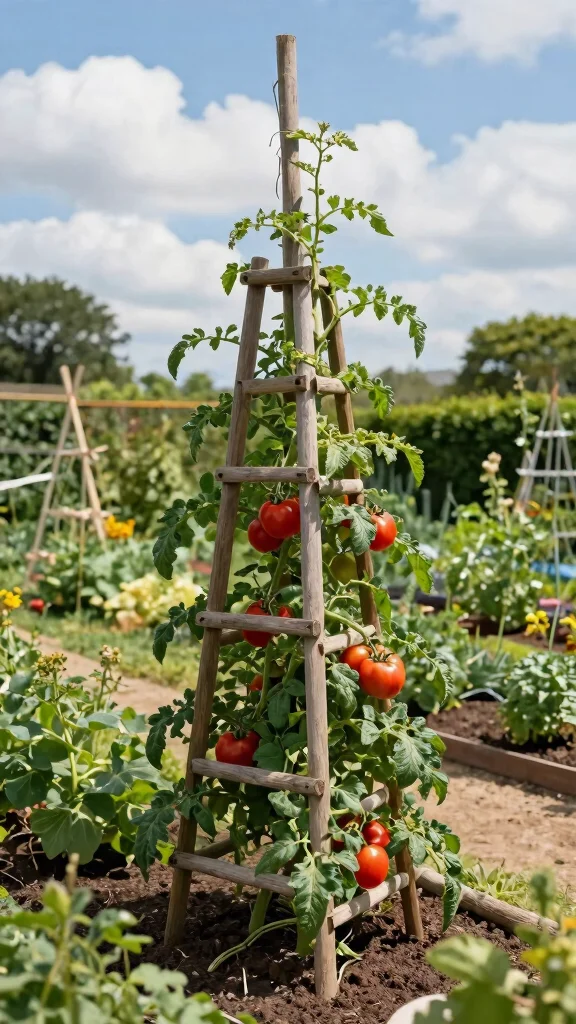
The height of your trellis can dramatically influence your garden’s layout and plant growth. Taller trellises allow for lush vertical growth, making them ideal for climbing plants while maximizing space. When deciding on height, consider the plants you wish to cultivate. Shorter trellises suit peas and beans, while sturdier options work best for tomatoes.
Ensure your trellis is well-supported to avoid breakage.
– Anchor securely: Bury it deep or use concrete for stability.
– Cross-brace: Add support to withstand strong winds and heavy fruit.
A well-structured trellis not only promotes upward plant growth but also keeps your garden organized and appealing.
3. Embrace Vertical Gardening Solutions
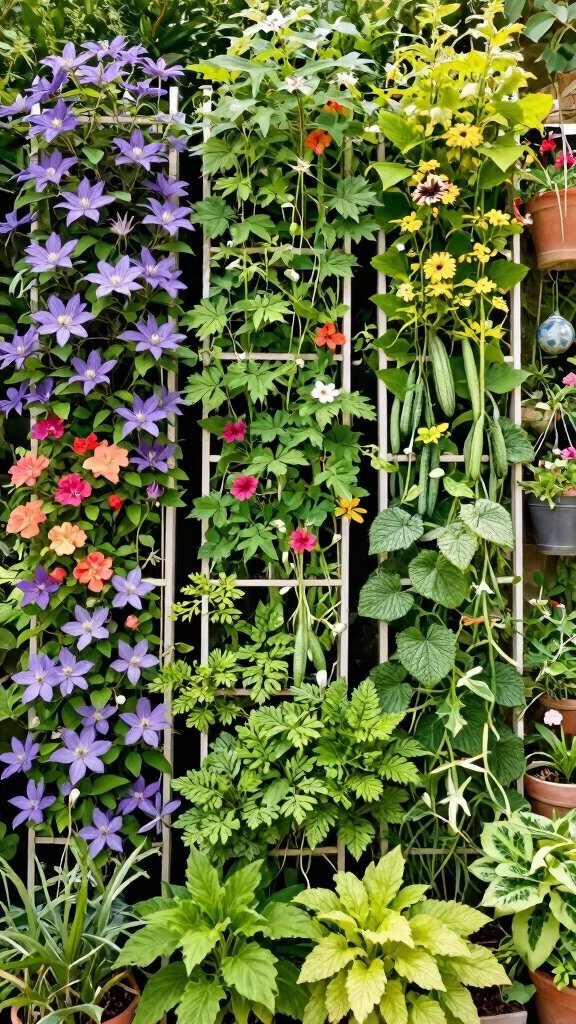
Vertical gardening is an excellent way to maximize limited space while adding visual interest to your garden. A trellis serves as a versatile support system for various plants, from vibrant flowering vines to productive vegetables. By encouraging vertical growth, you create more space while improving air circulation, effectively reducing the risk of fungal diseases.
Explore innovative vertical gardening strategies:
– Create a living wall: Install several trellises side by side for an eye-catching vertical garden.
– Interplant: Combine climbers with ground crops for efficient space usage.
– Use detachable panels: Change layouts or swap plants seasonally with ease.
This approach not only promotes biodiversity but also enhances your outdoor decor, making it a delightful space to enjoy.
4. Use Natural, Eco-Friendly Treatments
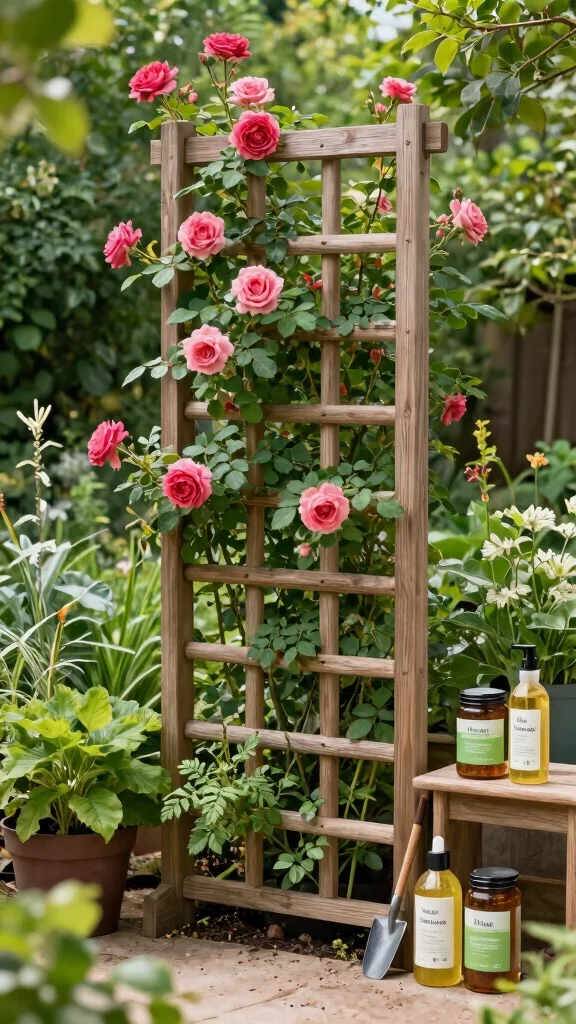
To prolong the life of your trellis while caring for the environment, consider eco-friendly treatments. Many commercial wood treatments contain harmful chemicals that can seep into the soil, impacting plant health. Instead, choose natural preservatives like linseed oil or organic wood sealers that offer protection without adverse effects.
Consider sustainable materials as well:
– Linseed oil: Provides a natural finish that enhances beauty while protecting wood.
– Natural wax: Creates a moisture-repellent barrier against the elements.
– Bamboo: Strong, lightweight, and biodegradable for an eco-friendly choice.
These treatments not only extend the life of your trellis but also contribute to a healthier garden ecosystem, making your gardening efforts more sustainable.
5. Implement Weather-Resistant Features
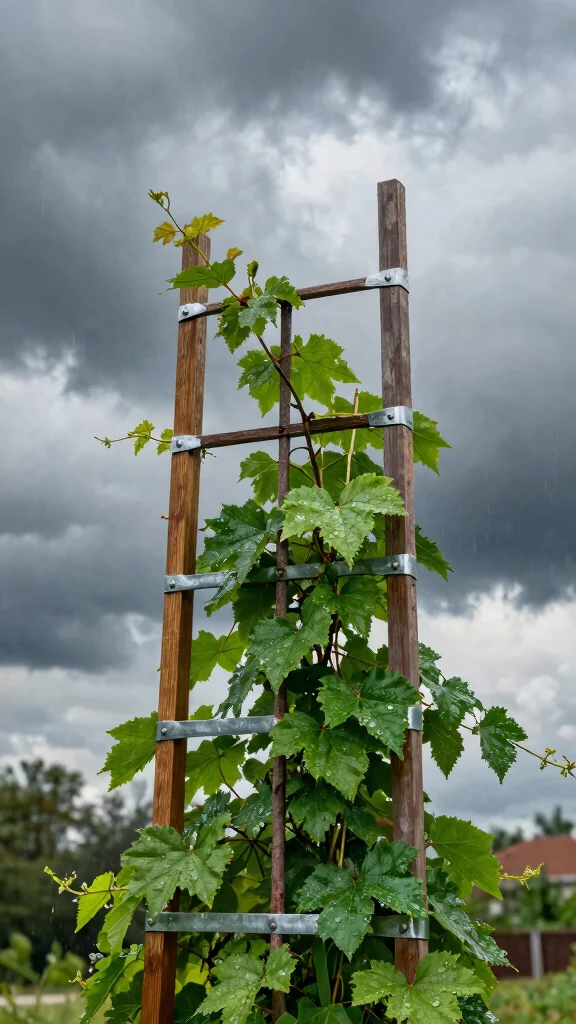
Weather can be unpredictable, making it vital for your trellis to withstand various elements. Incorporating weather-resistant features ensures your trellis not only survives but thrives. Using metal brackets, waterproof adhesives, and rot-resistant connectors can significantly enhance its durability against wind and rain.
Consider these weather-resistant options:
– Metal hardware: Use galvanized screws or stainless steel brackets to prevent rust.
– Waterproof sealants: Protect joints and connections from moisture damage.
– Ventilation: Design your trellis to allow air circulation, preventing water damage.
With these smart additions, your trellis will withstand whatever Mother Nature throws its way while maintaining its structural integrity.
6. Incorporate Unique Designs
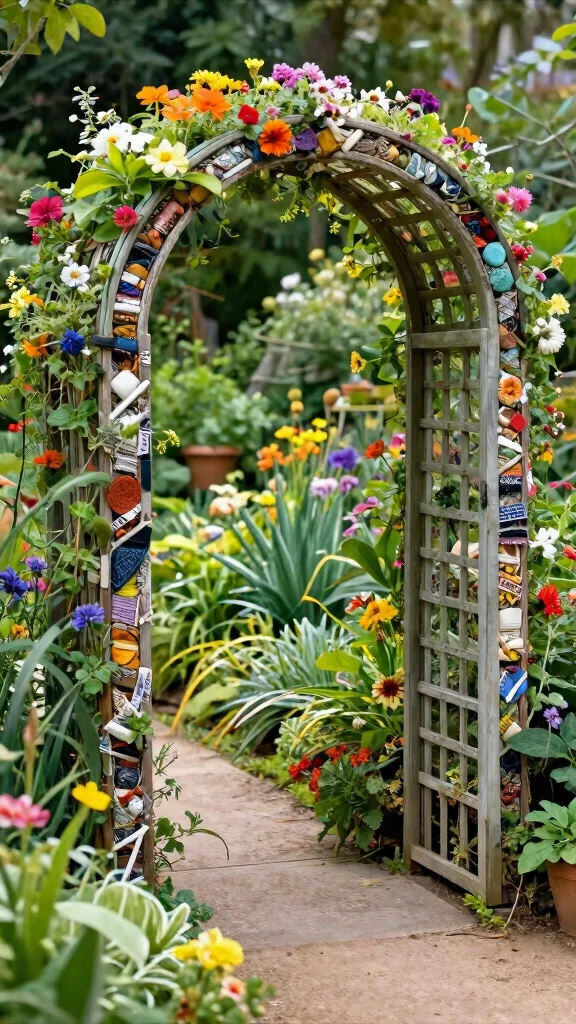
Why not transform your trellis into a stunning focal point? Unique designs can infuse character into your garden while serving a functional purpose. Explore unconventional shapes or a mix of materials to create a visually captivating structure.
Consider these creative design ideas:
– Archways: Craft an elegant entrance to your garden.
– Geometric shapes: Modern designs that make a bold statement.
– Recycled materials: Utilize old shutters or decorative grills for a charming trellis.
These imaginative approaches elevate your garden’s aesthetics and allow for personal expression, making your outdoor space uniquely yours!
7. Choose the Right Climbing Plants
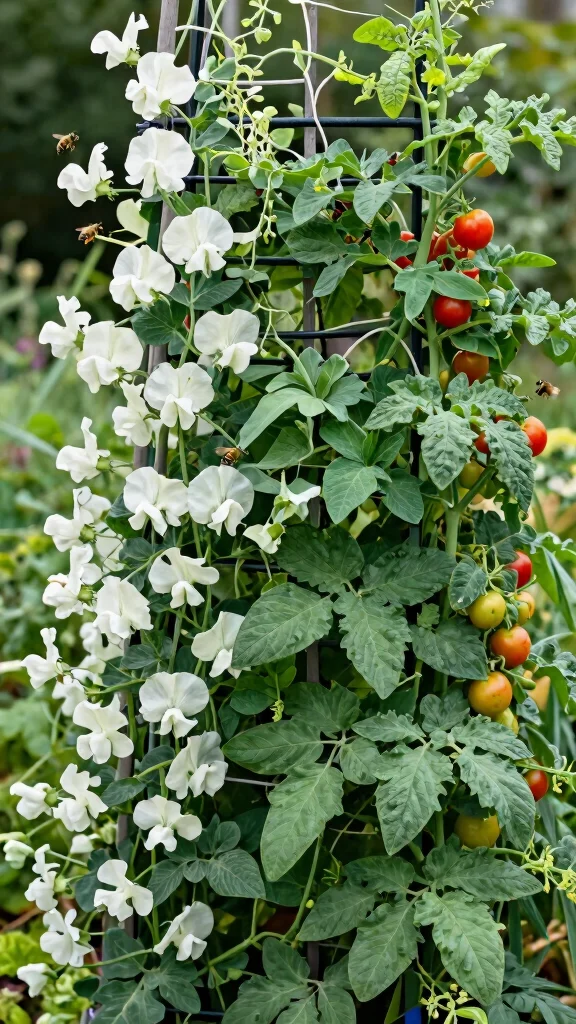
Choosing the right climbing plants is crucial for a successful trellis. Different plants have specific needs regarding support and growth habits. Some, like peas, naturally cling, while others, such as cucumbers, require additional twine or wire for support.
Keep these plant types in mind:
– Delicate climbers: Sweet peas and morning glories add vibrant colors without overwhelming your trellis.
– Heavy fruiting plants: Grapes and tomatoes need sturdier support and should be planted on stronger structures.
– Perennials vs. annuals: Decide whether you want a permanent fixture or seasonal beauty.
Understanding your plant requirements ensures your trellis effectively supports growth while enhancing your garden’s beauty.
Did you know? Delicate climbers cling on their own, but heavy fruiting plants like grapes often need 2-3 attachment points per meter to stay upright in wind. This is a practical tip when learning how to build a trellis.
8. Make It Multi-Functional
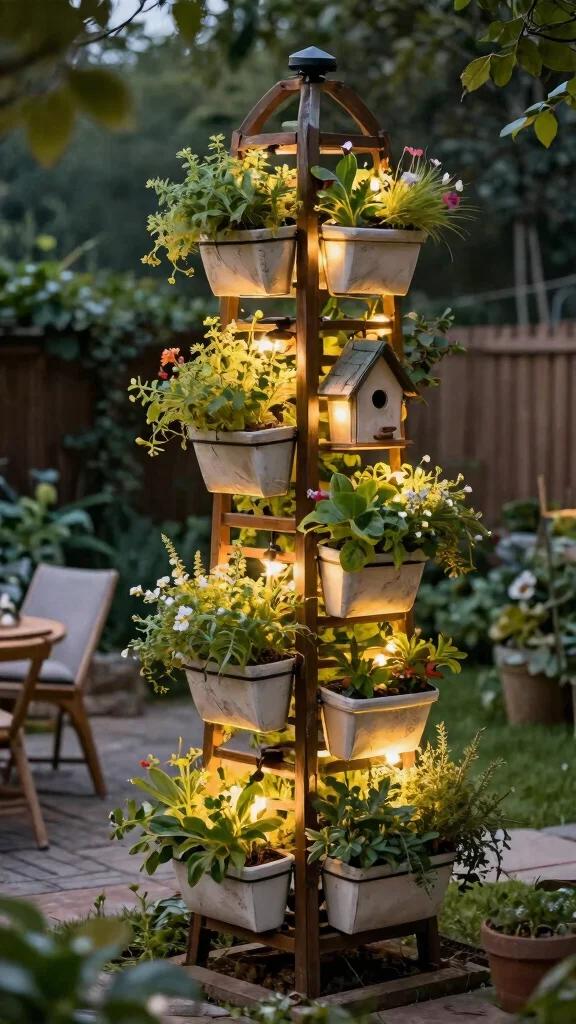
Why limit your trellis to a single purpose? Transform it into a multi-functional feature for added value! Integrate elements like hanging planters, lights, or decorative accents to maximize its utility. For instance, a trellis can double as a garden privacy screen while supporting lush vines.
Enhance functionality with these ideas:
– Vertical garden pockets: Attach pockets for herbs or small flowers.
– Decorative lighting: Install solar lights to illuminate your plants at night, creating a magical ambiance.
– Hanging birdhouses: Attract wildlife while beautifying your garden.
These thoughtful additions increase your garden’s usability while enhancing its charm.
9. Prepare for Seasonal Changes
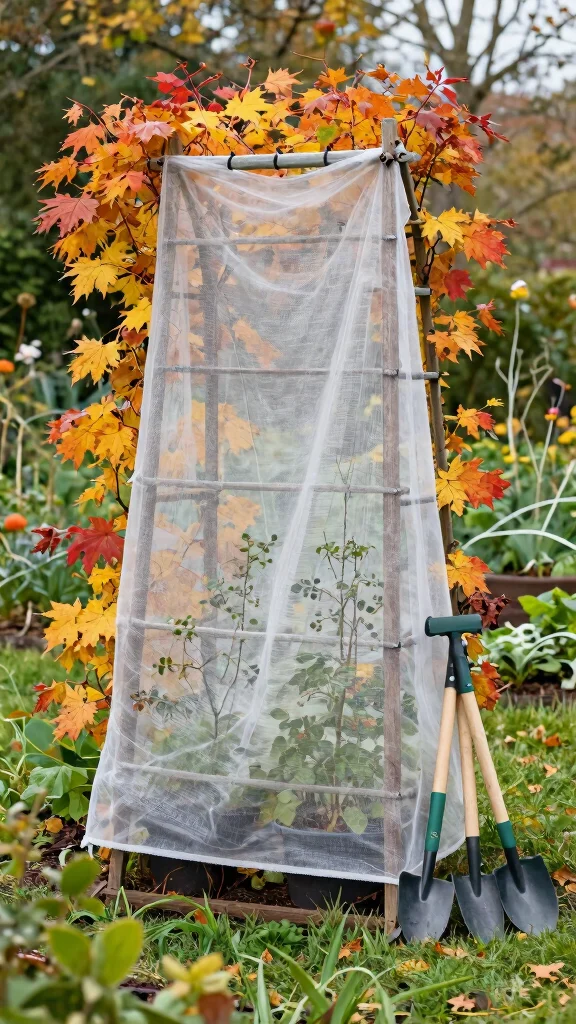
Your trellis should adapt to seasonal changes to maintain its beauty and effectiveness. Plan for how varying weather conditions will affect your plants and adjust your trellis accordingly. For example, during winter, protect delicate climbers or remove heavy fruits to prevent damage.
Prepare for the seasons with these strategies:
– Seasonal coverings: Use frost cloths or netting to shield plants in colder months.
– Pruning: Regularly trim climbing plants to keep them healthy and well-shaped.
– Storing equipment: Protect your trellis tools from the elements when not in use.
By preparing for seasonal changes, you can ensure your trellis remains a reliable support for your plants all year round.
10. Regular Maintenance Checks
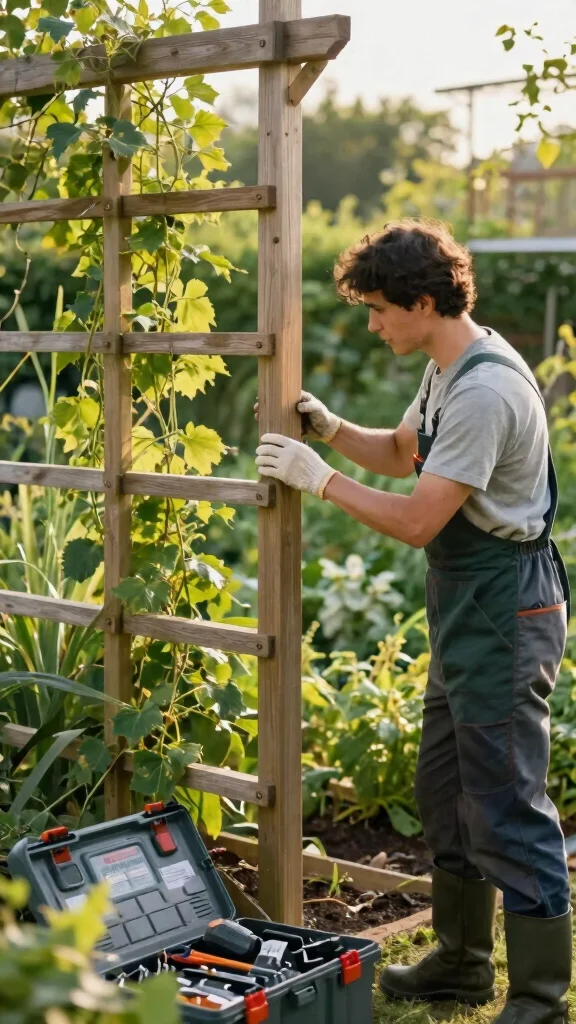
Just like any structure, your trellis needs consistent maintenance to stay appealing and functional! Regularly check for signs of wear or damage, especially after inclement weather. Timely inspections can help you catch issues before they escalate.
Here are some maintenance tips to consider:
– Inspect joints and connections: Look for rust or looseness and tighten as necessary.
– Reapply protective treatments: Refresh eco-friendly treatments every few years to keep wood safe.
– Weed regularly: Keep the base of your trellis clear to prevent competition for nutrients.
Establishing a maintenance routine will extend the life of your trellis, ensuring it remains a sturdy support for your plants for years to come.
11. Collaborate with Nature
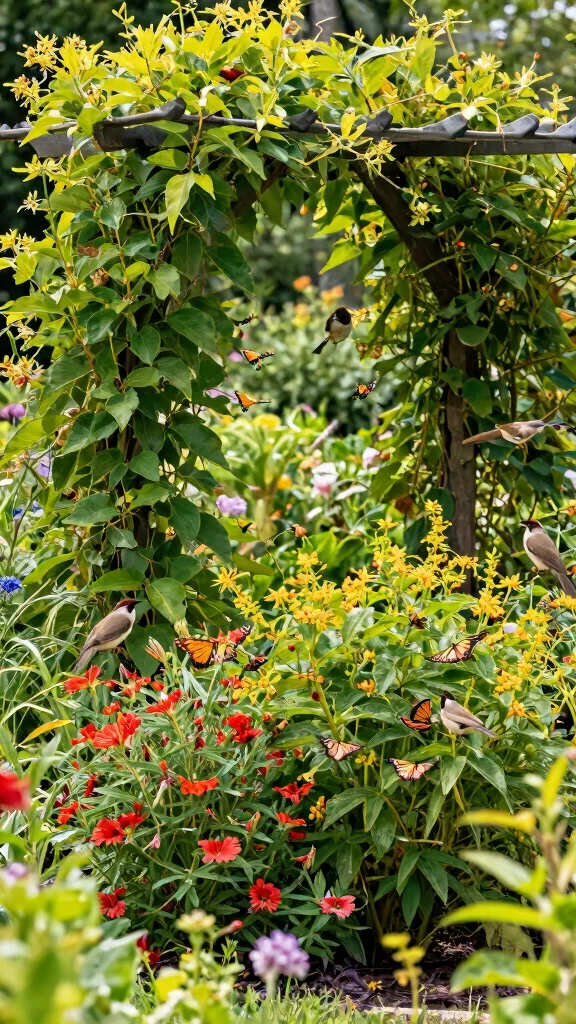
Embracing nature can greatly enhance your gardening experience. Allow natural elements, like insects and birds, to aid in the growth of your climbing plants. A well-designed trellis can serve as a sanctuary for beneficial wildlife, promoting a thriving ecosystem.
Partner with nature using these strategies:
– Choose native plants: These attract local pollinators, boosting productivity.
– Create habitats: Allow space for birds or beneficial insects around your trellis.
– Use mulch: Retain moisture and offer shelter to beneficial microbes in the soil.
By collaborating with nature, you’ll cultivate a vibrant garden that’s both sustainable and self-sufficient.
Fun fact: native plants attract up to 2–3x more local pollinators, boosting yield without extra fertilizer. Let your trellis become a wildlife sanctuary—choose native species and create habitats for birds and beneficial insects.
12. Personalize Your Trellis
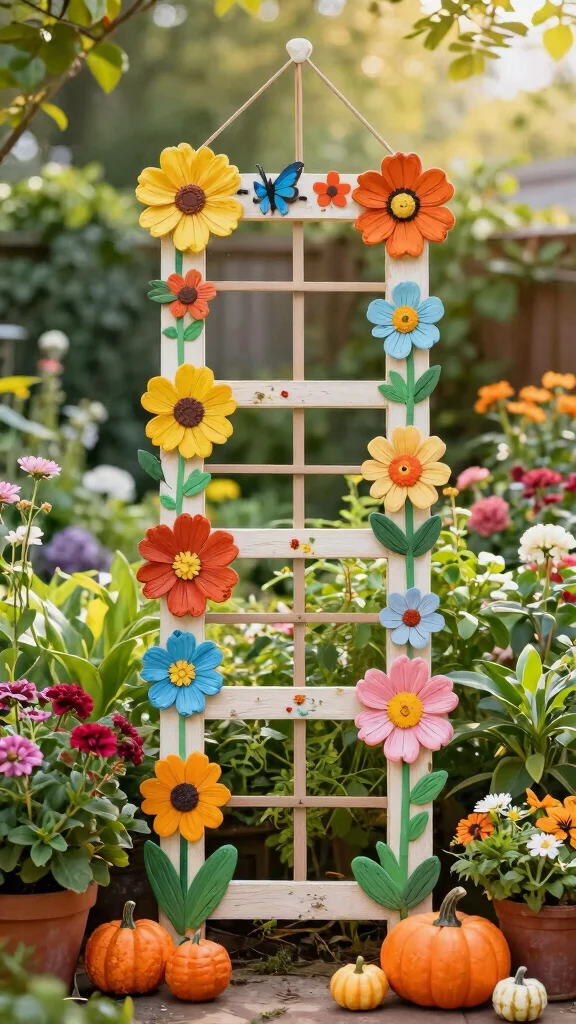
Your garden should be a reflection of your personal style, so don’t hesitate to make your trellis uniquely yours! Adding personal touches or decorative elements can make your trellis stand out and infuse it with character. Think about painting it in a color you love, adding family name signs, or integrating handmade decorations.
Consider these personalization ideas:
– Artwork: Attach small sculptures or garden art to your trellis.
– Paint: Use non-toxic paints to add joy and color.
– Seasonal decor: Change decorations with each season to keep it fresh and vibrant.
Personalizing your trellis not only adds a heartfelt touch but also makes your garden feel more like home!
Conclusion
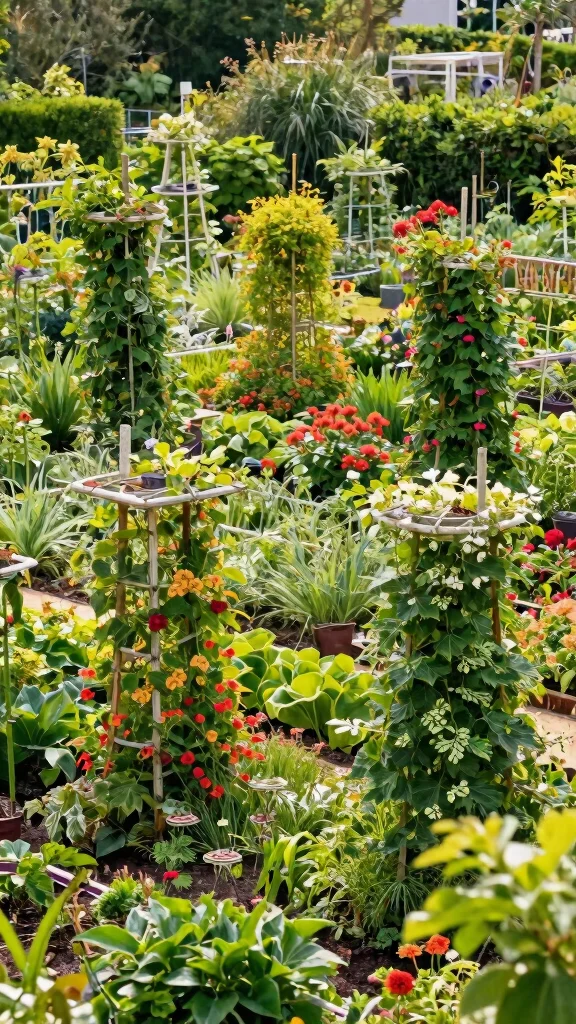
Building a resilient trellis is more than a project; it’s a commitment to your garden’s future.
With these 12 strategies, you can create a structure that not only supports your plants but also enhances the beauty of your outdoor space. Embrace these techniques to enjoy a flourishing garden that stands the test of time! What trellis designs are you excited to try out in your garden?
Note: We aim to provide accurate product links, but some may occasionally expire or become unavailable. If this happens, please search directly on Amazon for the product or a suitable alternative.
This post contains Amazon affiliate links, meaning we may earn a small commission if you purchase through our links, at no extra cost to you.
Frequently Asked Questions
How to build a trellis that truly holds up through wind, rain, and years of growth?
If you’re wondering how to build a trellis that lasts, start with a solid frame and secure anchoring.
Choose durable, weather-resistant materials such as cedar, redwood, powder-coated steel, or galvanized aluminum.
Design for wind with diagonal bracing and a broad base, and anchor posts deeply into the ground or into concrete.
Use proven fasteners and avoid rot-prone joints, then seal or paint to protect against moisture.
For inspiration on layouts, aim for trellis design ideas that balance strength and airflow, and think in terms of vertical gardening solutions that scale with growth.
What are the best materials for a durable garden trellis that lasts through seasons?
Materials set the backbone of a durable garden structure. For longevity and weather-resistant performance, consider naturally rot-resistant woods like cedar or redwood, or metals such as powder-coated steel or aluminum.
Pair with heavy-duty posts anchored in concrete, and use stainless or galvanized fasteners to resist rust.
Treat wood with a breathable seal to prevent moisture damage, and choose components designed for exterior use to build a truly durable garden structure.
What are some trellis design ideas to maximize support and airflow for vertical gardening?
Think beyond a flat lattice. Use trellis design ideas like a tall A-frame, staggered panels, or a curved arch to match your space and plant needs.
Diagonal bracing adds strength, while wide spacing supports airflow for crops like cucumbers and beans.
Install adjustable or detachable panels to grow different crops, and pair with wall mounting or ground posts to optimize vertical gardening solutions.
What DIY trellis tips help ensure stability in windy areas?
Start with proper posts—bury at least 2 to 3 feet and set them in concrete if possible.
Add diagonal bracing and, if necessary, guy wires or anchors to prevent sway.
Use weather-resistant hardware and avoid over-tightening against swollen wood.
For maintenance-friendly setups, create removable sections that can be inspected and replaced without disassembling the whole structure. These DIY trellis tips keep your wind-prone garden solid year after year.
How do I maintain a weather-resistant trellis over years of growth?
Regular checkups are key. Inspect joints and fasteners annually, reseal or repaint every few seasons, and clean away moss or algae that reduces wood life.
Replace rotted sections promptly and consider corrosion-resistant hardware.
With proactive maintenance, your trellis stays sturdy and attractive for years of growth and vertical gardening solutions.
Related Topics
sustainable gardening
vertical gardening
DIY trellis tips
weather-resistant trellis
durable garden structures
trellis design ideas
beginner friendly
advanced gardening
long-lasting trellis
outdoor decor
eco-friendly gardening
garden maintenance