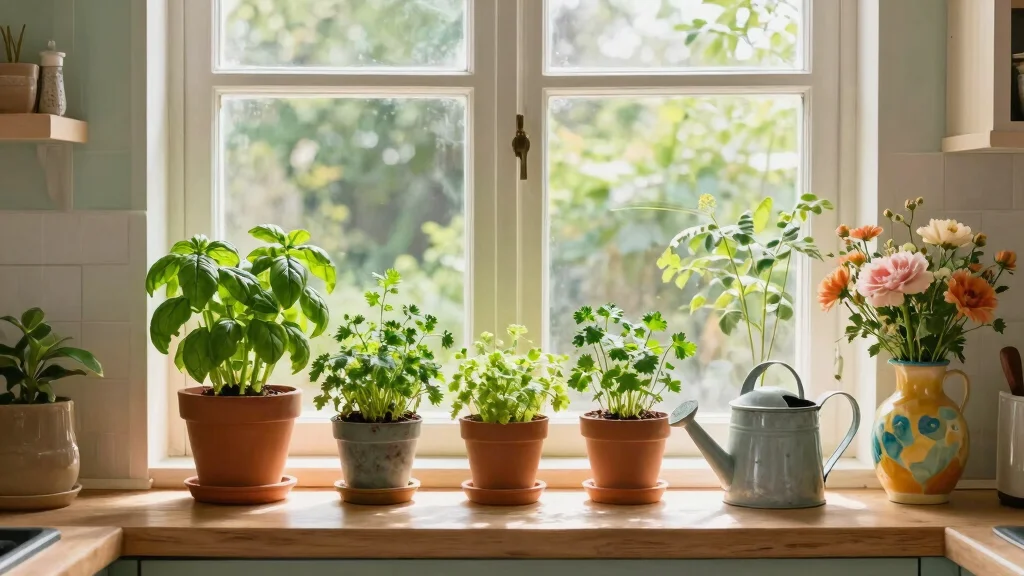
Are you tired of staring at a bare kitchen window that could be a stunning focal point? This time of year has me dreaming of lush greenery and vibrant herbs. If you’re into creating a lively atmosphere in your kitchen while enjoying the perks of indoor gardening, this post is for you. I gathered 11 kitchen window plant ideas that transform the most-used spot in your home into something truly special.
Whether you’re a seasoned gardener or just starting out, these ideas cater to your needs. You’ll discover how to make the best of small spaces and low-light conditions. Plus, you’ll find tips on growing herbs that not only enhance your kitchen’s aesthetics but also add flavor to your meals. From aromatic basil to charming chives, you’ll learn how to breathe life into your window sill.
Get ready to explore a world of greenery that fits your lifestyle. With these creative plant ideas, you can turn your kitchen window into a mini garden that’s both beautiful and functional. Each plant offers its unique advantages, making them perfect companions for your culinary adventures.
Key Takeaways
– Diverse Options: Explore 11 different kitchen window plants, including herbs and low-light varieties, perfect for any small space.
– Functional Beauty: Discover how these plants not only beautify your kitchen but also provide fresh ingredients for cooking.
– Easy Care Tips: Learn simple care techniques for each plant type, ensuring they thrive in your kitchen environment.
– Low-Light Solutions: Find out which plants flourish even in lower light conditions, making them ideal for windows that don’t get much sun.
– Creative Arrangement Ideas: Get inspired with tips on how to arrange your plants for maximum visual impact while making the most of your window sill space.
1. Basil Bonanza
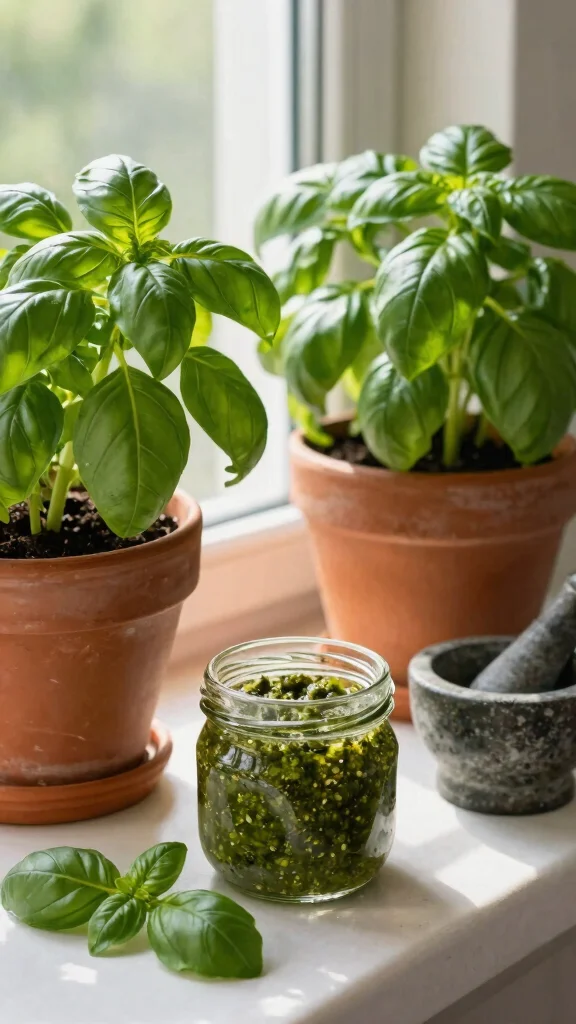
Craving a burst of fresh flavor in your meals? Basil is your go-to herb! Its fragrant leaves can elevate everything from pasta to salads, making each bite a delight. Not only is basil tasty, but it also brings a wealth of vitamins and is super easy to grow right in your kitchen window.
When planting basil, opt for a well-draining potting mix and a container with drainage holes to keep roots happy. Water when the top inch of soil feels dry, and don’t forget to pinch off leaves regularly to encourage bushy growth. Harvest leaves as needed for an unbeatable flavor experience!
Quick Tips:
– Ensure at least 6 hours of sunlight daily.
– Fertilize once a month for best results.
– Harvest frequently to promote growth.
Recipe Idea: Basil Pesto
Servings: 4
Prep Time: 10 minutes
Cook Time: 0 minutes
Total Time: 10 minutes
Calories: 120 per serving
Ingredients:
– 2 cups fresh basil leaves
– 1/2 cup grated Parmesan cheese
– 1/2 cup olive oil
– 1/3 cup pine nuts
– 2 cloves garlic, minced
– Salt and pepper to taste
Instructions:
1. In a food processor, combine basil, Parmesan, pine nuts, and garlic.
2. Pulse until coarsely chopped.
3. Slowly add olive oil while processing, until smooth.
4. Season with salt and pepper.
5. Use immediately or store in the refrigerator.
2. Parsley Positivity
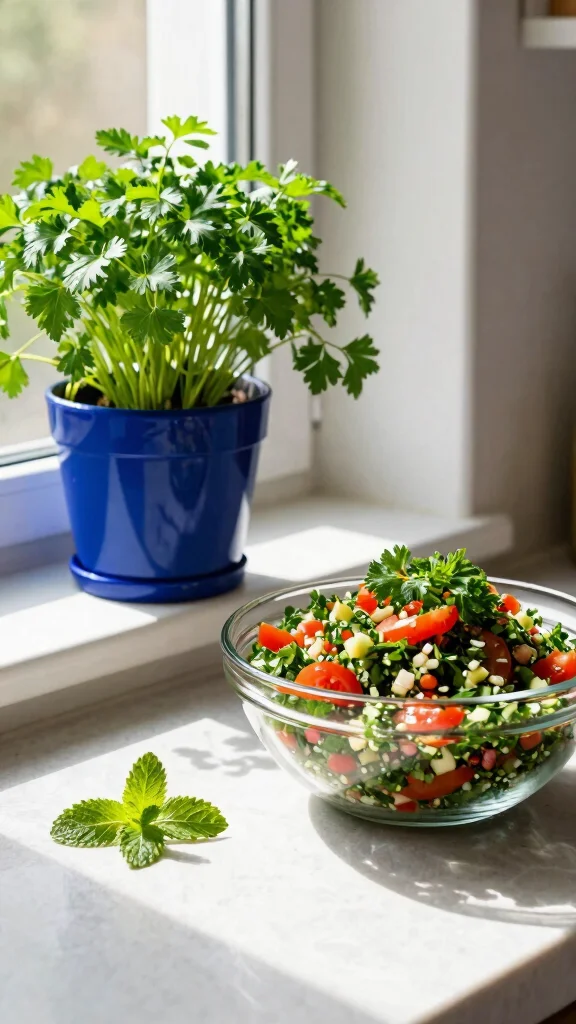
Looking to add greenery to your kitchen while enhancing your dishes? Parsley is a fantastic choice! This versatile herb thrives even in partial shade, making it ideal for those less sunlit windows. Not only does it brighten your space, but it also packs a nutritious punch with its vitamins and minerals.
When planting parsley, choose a deep pot as its roots can grow long. Keep the soil consistently moist and water regularly to keep it thriving. Harvesting is a breeze—simply snip off the outer leaves and let the inner ones flourish.
Quick Tips:
– Suitable for partial shade (about 4-6 hours of light).
– Keep the soil consistently moist, but not soggy.
– Trim regularly to encourage growth.
Recipe Idea: Tabbouleh Salad
Servings: 4
Prep Time: 20 minutes
Cook Time: 0 minutes
Total Time: 20 minutes
Calories: 150 per serving
Ingredients:
– 1 cup bulgur
– 1 1/2 cups boiling water
– 1 cup chopped fresh parsley
– 1/2 cup diced tomatoes
– 1/4 cup chopped mint
– 1/4 cup lemon juice
– 2 tablespoons olive oil
– Salt and black pepper to taste
Instructions:
1. Place bulgur in a bowl; pour boiling water over it.
2. Cover and let it sit for 20 minutes.
3. Fluff bulgur with a fork; add remaining ingredients and mix well.
4. Adjust salt and pepper to taste.
5. Chill and serve fresh.
3. Chive Charm
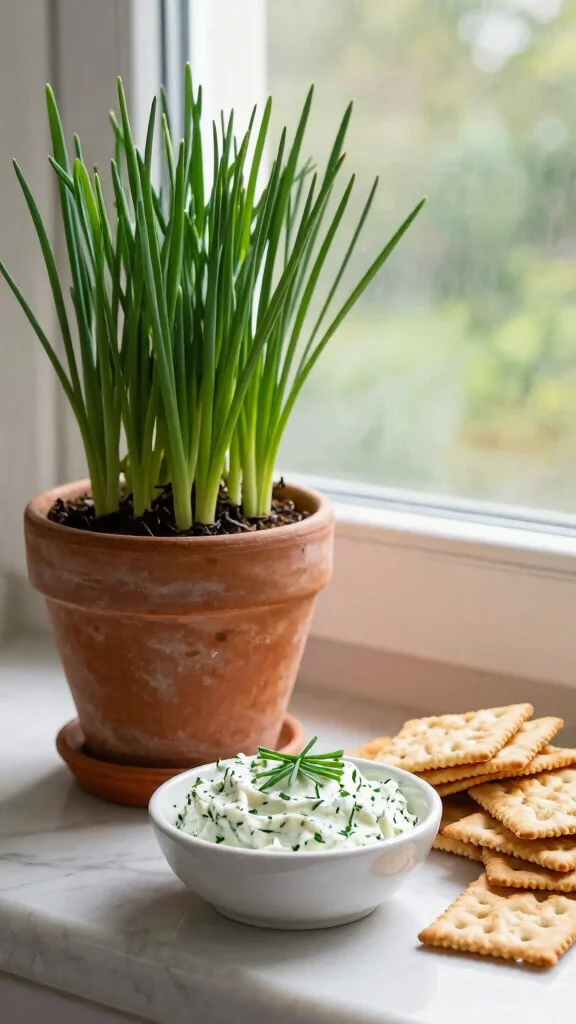
Do you want an easy herb that adds a subtle onion flavor to your dishes? Chives are the perfect option! These delicate green stalks are simple to grow and thrive in both sun and shade, making them a wonderful addition to any kitchen window garden.
For chives, use a pot that allows for good drainage to keep roots healthy. They require moderate watering—just enough to keep the soil slightly moist. The best part? You can snip off the tops whenever needed, and they’ll keep sprouting back for you!
Quick Tips:
– Plant them about 6 inches apart to allow space for growth.
– Water when the soil feels dry to the touch.
– Fertilize lightly once or twice a season.
Recipe Idea: Chive Cream Cheese Spread
Servings: 8
Prep Time: 5 minutes
Cook Time: 0 minutes
Total Time: 5 minutes
Calories: 50 per serving
Ingredients:
– 8 oz cream cheese, softened
– 1/4 cup fresh chives, chopped
– 1 tablespoon lemon juice
– Salt and pepper to taste
Instructions:
1. In a bowl, combine cream cheese, chives, and lemon juice.
2. Mix until smooth.
3. Season with salt and pepper to taste.
4. Serve with crackers or on bagels.
4. Mint Magic
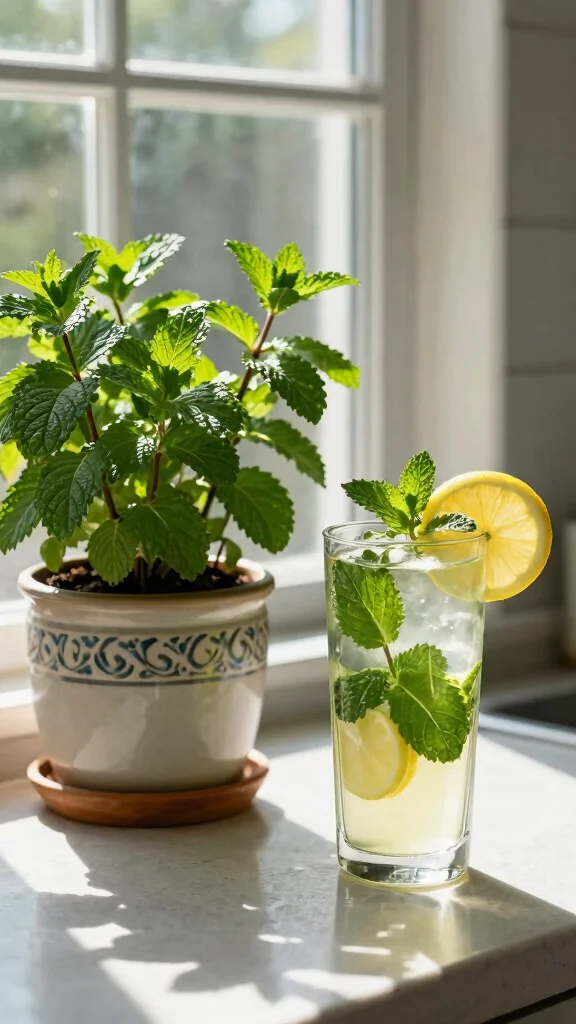
Want to bring a fresh and aromatic flavor to your drinks and dishes? Mint is a delightful herb that thrives in bright, indirect sunlight, making it perfect for your kitchen window. Just be cautious, as mint can spread rapidly if given too much room!
Choose a pot with adequate drainage and a quality potting mix. Keep the soil consistently moist but not soggy. Regularly trimming your mint encourages bushy growth, ensuring you’ll have plenty for your culinary creations. Plus, the invigorating scent is a bonus!
Quick Tips:
– Grow mint in its own pot to prevent it from taking over.
– Water regularly, but don’t let it sit in water.
– Pinch back stems to promote growth.
Recipe Idea: Mint Lemonade
Servings: 4
Prep Time: 5 minutes
Cook Time: 5 minutes
Total Time: 10 minutes
Calories: 80 per serving
Ingredients:
– 1/2 cup fresh mint leaves
– 1/2 cup lemon juice
– 1/2 cup sugar
– 4 cups water
– Lemon slices and mint sprigs for garnish
Instructions:
1. In a saucepan, combine 1 cup water and sugar; heat until dissolved.
2. Remove from heat and add mint leaves; steep for 10 minutes.
3. Strain the mixture into a pitcher, add lemon juice and remaining water.
4. Serve over ice, garnished with lemon slices and mint.
5. Thyme for Flavor
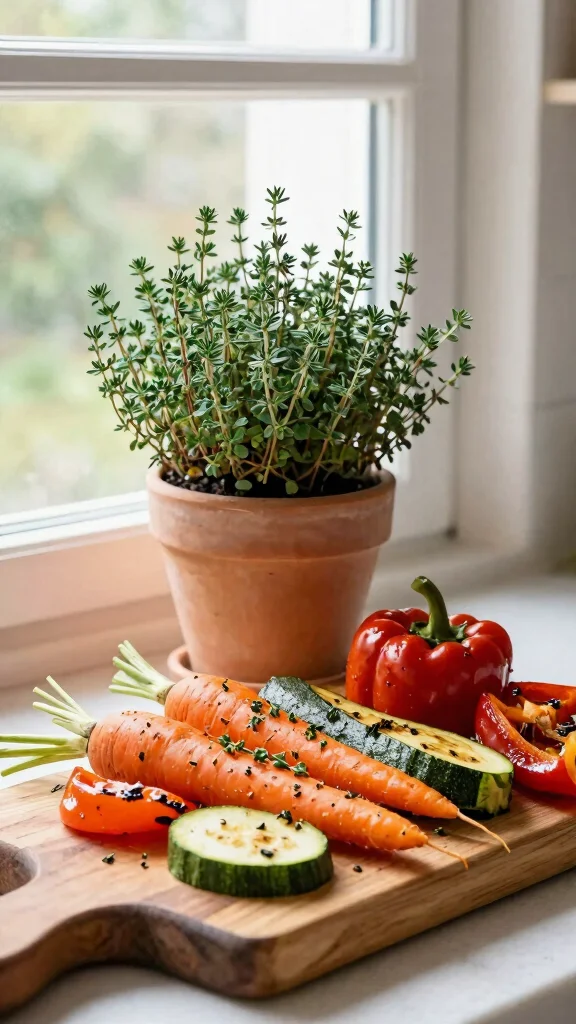
Searching for a fragrant herb to enhance your dishes? Thyme is a fantastic choice! This herb adapts well to various lighting conditions, making it suitable for those less sunny kitchen windows. Plus, its tiny leaves pack a punch of flavor that will elevate your meals.
Plant thyme in a pot with well-draining soil and ensure it gets plenty of sunlight—around 6 hours a day is ideal. Water sparingly, as thyme prefers to dry out between waterings. Regularly harvesting your thyme will keep it thriving and flavorful, ready for your next dish!
Quick Tips:
– Don’t overwater—thyme likes it dry!
– Pinch off leaves regularly to maintain growth.
– Cut back in the fall for new growth in spring.
Recipe Idea: Herb-Infused Roasted Vegetables
Servings: 4
Prep Time: 10 minutes
Cook Time: 30 minutes
Total Time: 40 minutes
Calories: 200 per serving
Ingredients:
– 2 cups assorted vegetables (carrots, zucchini, bell peppers)
– 2 tablespoons olive oil
– 1 teaspoon dried thyme
– Salt and pepper to taste
Instructions:
1. Preheat oven to 400°F (200°C).
2. Toss vegetables with olive oil, thyme, salt, and pepper.
3. Spread on a baking sheet.
4. Roast for 30 minutes, stirring halfway through.
Ongoing Maintenance & Care Guide
Maintenance Schedule:
Daily/Weekly Tasks:
– Water your plants: Check the soil moisture daily. If it feels dry about an inch down, it’s time to water. This usually takes about 5 minutes.
– Rotate your pots: Turn your pots once a week for even light exposure. This can be done in just a minute or two.
– Prune any dead leaves: Regularly snip off yellow or brown leaves to promote healthy growth. This task should take around 5 minutes each week.
– Check for pests: Inspect leaves for bugs or signs of disease weekly. This quick check can be done in about 5 minutes.
Monthly/Seasonal Tasks:
– Clean your window sill: Dust and dirt can block sunlight. Wipe the sill and pots once a month, which may take about 10 minutes.
– Fertilize your herbs: Use a water-soluble fertilizer every month during the growing season. This will take around 15 minutes, including mixing and applying.
– Repot if needed: Check if your plants are root-bound. If they are, you’ll need to repot them every 6-12 months, which may take about 30 minutes.
– Replace soil: Refresh the soil mix every season to ensure your plants get nutrients. This could take about 20 minutes.
– Monitor growth: Each month, evaluate your herbs for space and light needs. This reflective task might take about 5-10 minutes.
Maintenance Summary Table:
| Task | Frequency | Difficulty | Time Needed |
|————————–|——————-|——————|————–|
| Water | Daily/Weekly | Easy | 5 minutes |
| Rotate | Weekly | Very Easy | 2 minutes |
| Prune | Weekly | Easy | 5 minutes |
| Check for pests | Weekly | Easy | 5 minutes |
| Clean window sill | Monthly | Easy | 10 minutes |
| Fertilize | Monthly | Moderate | 15 minutes |
| Repot | Every 6-12 months | Moderate | 30 minutes |
| Replace soil | Seasonal | Moderate | 20 minutes |
| Monitor growth | Monthly | Easy | 10 minutes |
Common Issues to Watch For:
⚠️ Yellowing leaves: This usually indicates overwatering. Check the soil moisture level and reduce watering if needed.
⚠️ Wilting plants: If your herbs droop, they might be under-watered. Check if the soil is dry and give them a drink.
⚠️ Brown tips: This can signal low humidity or too much fertilizer. Adjust your watering and ensure proper humidity levels.
⚠️ Pest infestations: Look for tiny bugs or webbing. If you spot pests, isolate the plant and treat it with insecticidal soap.
⚠️ Stunted growth: If your plants aren’t growing well, they may need more light or nutrients. Assess their environment and adjust accordingly.
Care Tips:
💡 Choose the right plants: Select low-light herbs for kitchen windows, such as mint or chives. They thrive in various light conditions and are easy to care for.
💡 Group plants together: When you place similar plants together, they can help create a microclimate with increased humidity, benefiting each other.
💡 Use quality potting mix: A good mix provides essential nutrients and improves drainage. This can help your herbs grow stronger and healthier.
💡 Be mindful of temperature: Most herbs prefer temperatures between 65°F and 75°F. Avoid placing them in drafts or near heating vents.
💡 Harvest regularly: Snipping leaves encourages growth and ensures you have fresh herbs on hand. Regular harvesting keeps your plants healthy and thriving.
6. Oregano Oasis
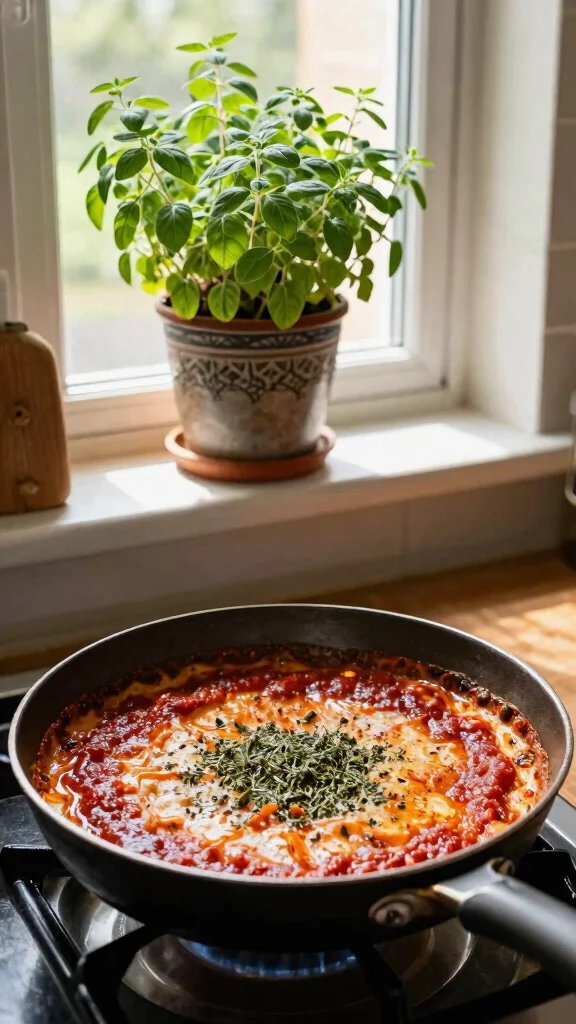
Want to bring a taste of the Mediterranean to your kitchen? Oregano is an easy herb to grow that thrives in sunlight but can tolerate some shade. Its rich, robust flavor enhances pizzas, pastas, and marinades, making it a must-have for any culinary enthusiast.
Plant oregano in a pot with good drainage and sandy soil for optimal results. Water it when the top inch of soil dries out. Regular harvesting encourages bushier growth, ensuring you always have fresh herbs on hand whenever you need them!
Quick Tips:
– Plant in well-draining soil to prevent root rot.
– Water only when needed—better to under-water than over-water.
– Pinch back flowers to promote leaf growth.
Recipe Idea: Homemade Pizza Sauce
Servings: 4
Prep Time: 5 minutes
Cook Time: 15 minutes
Total Time: 20 minutes
Calories: 100 per serving
Ingredients:
– 1 can (15 oz) crushed tomatoes
– 2 tablespoons olive oil
– 2 teaspoons dried oregano
– 1 teaspoon garlic powder
– Salt and pepper to taste
Instructions:
1. In a saucepan, heat olive oil over medium heat.
2. Add crushed tomatoes, oregano, garlic powder, salt, and pepper.
3. Simmer for 15 minutes, stirring occasionally.
4. Use as a pizza sauce or pasta sauce.
7. Low-Light Lavenders
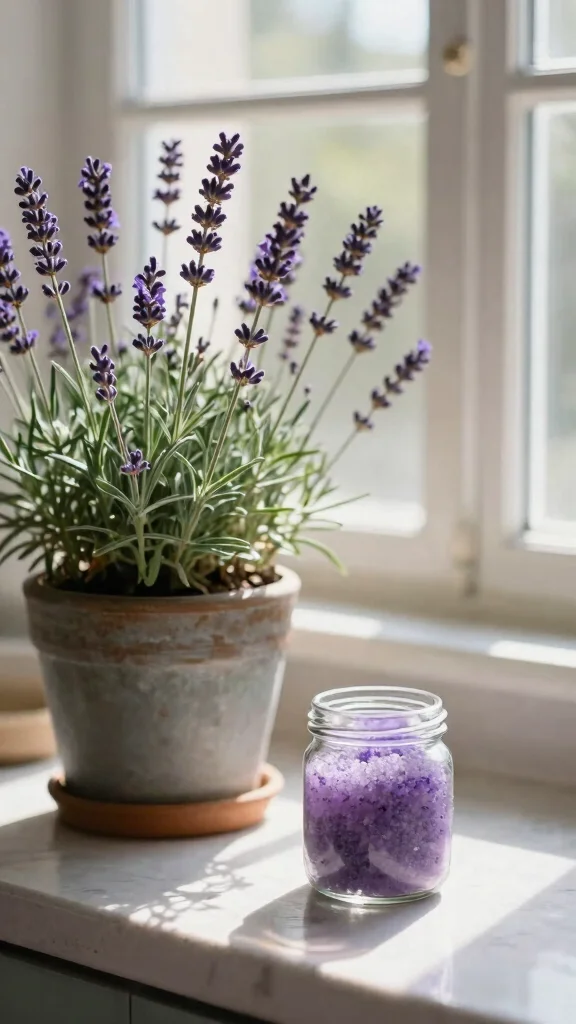
Want to add a touch of beauty and fragrance to your kitchen? Lavender can thrive indoors and brings a calming scent to your space! This aromatic herb prefers bright light but can adapt to lower light conditions, making it a unique option for your kitchen window.
Choose a pot with good drainage and use a well-draining soil mix. Water lavender sparingly, allowing it to dry out between waterings since it thrives in drier conditions. Not only is lavender delightful to smell, but it can also be used in culinary applications like baking and infusions.
Quick Tips:
– Ensure good air circulation around the plant.
– Prune regularly to maintain shape and encourage growth.
– Use for flavoring baked goods and teas.
Recipe Idea: Lavender-Infused Sugar
Servings: 1 cup
Prep Time: 5 minutes
Cook Time: 0 minutes
Total Time: 5 minutes
Calories: 30 per teaspoon
Ingredients:
– 1 cup granulated sugar
– 2 tablespoons dried lavender buds
Instructions:
1. In a bowl, mix sugar and dried lavender.
2. Store in an airtight container.
3. Use in tea or baked goods for a unique flavor.
Fun fact: Lavender can thrive as a kitchen window plant with just 4–6 hours of bright light daily, especially in a well-draining pot. For kitchen window plants, water sparingly and let the soil dry between waterings for a fragrant, resilient herb.
8. Succulent Sensation
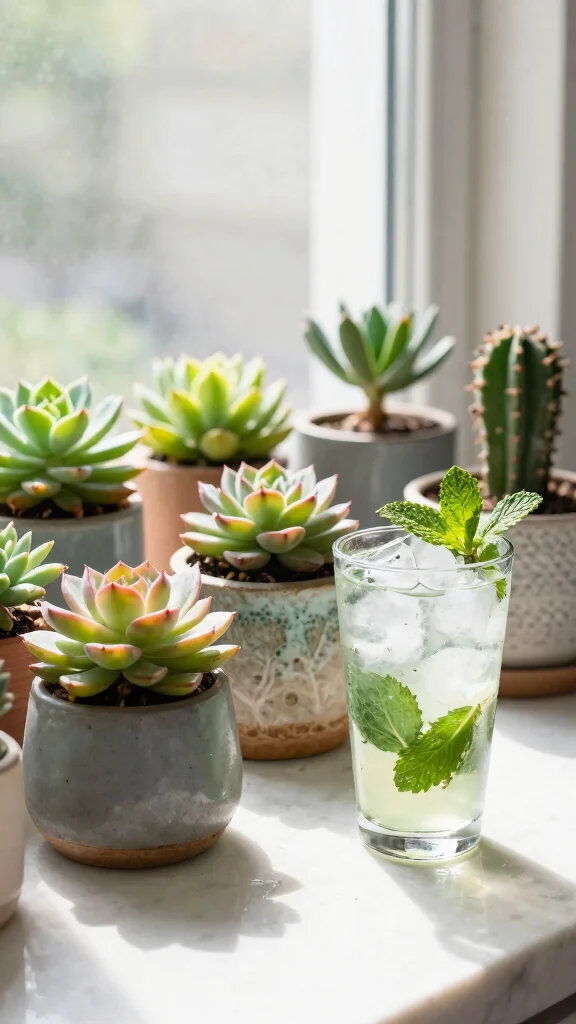
Looking for low-maintenance plants that add charm to your kitchen? Succulents are a fantastic choice! They come in various shapes and colors, making them perfect for brightening up your kitchen window. While they aren’t traditional herbs, many succulents can be used in cooking and beverages.
Succulents thrive in bright light but can tolerate some indirect sunlight. Use a cactus mix for your potting soil and a pot with drainage holes. Water thoroughly but infrequently, allowing the soil to dry completely between waterings.
Quick Tips:
– Group different varieties for an eye-catching display.
– Rotate pots occasionally for even growth.
– Use a spray bottle for watering to avoid over-watering.
Recipe Idea: Mint and Cactus Cooler
Servings: 2
Prep Time: 5 minutes
Cook Time: 0 minutes
Total Time: 5 minutes
Calories: 60 per serving
Ingredients:
– 1 cup cactus juice
– 1/2 cup mint leaves
– 2 cups sparkling water
– Ice cubes
Instructions:
1. In a pitcher, combine cactus juice and mint leaves.
2. Muddle gently to release mint flavor.
3. Add sparkling water and ice.
4. Serve immediately, garnished with mint leaves.
Fun fact: Many succulents only need a deep drink every 2-3 weeks, even in bright kitchen light. They come in shapes and colors that brighten a window, and some varieties can be used fresh in dishes or drinks.
9. Microgreens Marvel
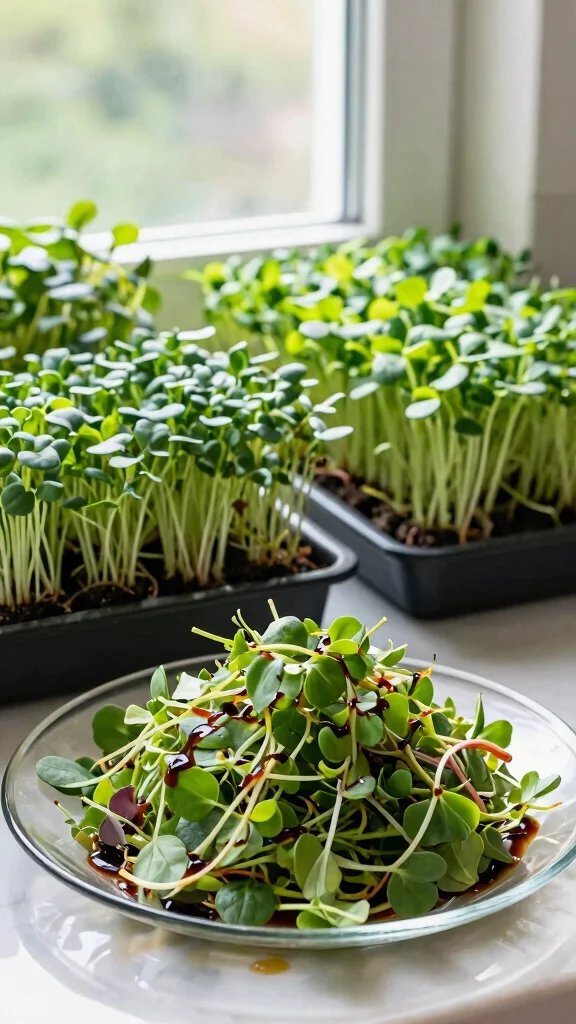
Want to grow something nutritious in your kitchen without needing much space? Microgreens are tiny, nutrient-packed plants that grow quickly and can be harvested in just a couple of weeks. Perfect for your kitchen window, they can include varieties like radish, broccoli, and sunflower.
Use shallow trays filled with potting mix to grow microgreens. Keep them in bright, indirect sunlight and water regularly to keep the soil moist. Harvest them by cutting just above the soil line when they’re about 1-2 inches tall for the best flavor.
Quick Tips:
– Use trays with drainage holes for healthy growth.
– Keep them close to a light source for optimal growth.
– Experiment with different microgreens for varied flavors.
Recipe Idea: Microgreen Salad
Servings: 2
Prep Time: 5 minutes
Cook Time: 0 minutes
Total Time: 5 minutes
Calories: 50 per serving
Ingredients:
– 2 cups assorted microgreens
– 1 tablespoon olive oil
– 1 tablespoon balsamic vinegar
– Salt and pepper to taste
Instructions:
1. In a bowl, combine microgreens, olive oil, and balsamic vinegar.
2. Toss gently to mix.
3. Season with salt and pepper to taste.
4. Serve immediately as a fresh salad.
10. Aloe Vera Wonders
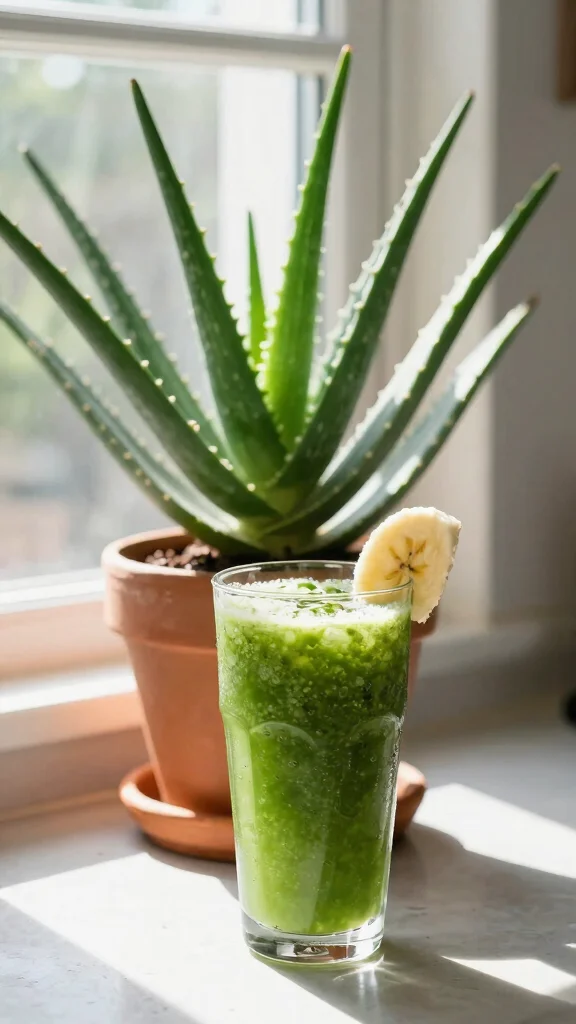
Want a stunning plant that offers health benefits too? Aloe vera is a hardy succulent that thrives in bright light and is forgiving if you occasionally forget to water it. This plant is not only beautiful but also useful for soothing minor burns and skin irritations.
Choose a pot with good drainage and a cactus mix for planting. Water only when the soil is completely dry to the touch. You can propagate aloe easily by planting offsets that grow from the main plant, making it even more rewarding to have in your kitchen.
Quick Tips:
– Place in a sunny spot for the best growth.
– Avoid over-watering; it’s better to underwater.
– Harvest leaves as needed for topical use.
Recipe Idea: Aloe Vera Smoothie
Servings: 1
Prep Time: 5 minutes
Cook Time: 0 minutes
Total Time: 5 minutes
Calories: 100 per serving
Ingredients:
– 1 cup aloe vera gel (from the leaf)
– 1 banana
– 1 cup coconut water
– 1 tablespoon honey (optional)
Instructions:
1. In a blender, combine aloe vera gel, banana, and coconut water.
2. Blend until smooth.
3. Add honey if desired and blend again.
4. Serve chilled for a refreshing drink.
11. Edible Flower Delights
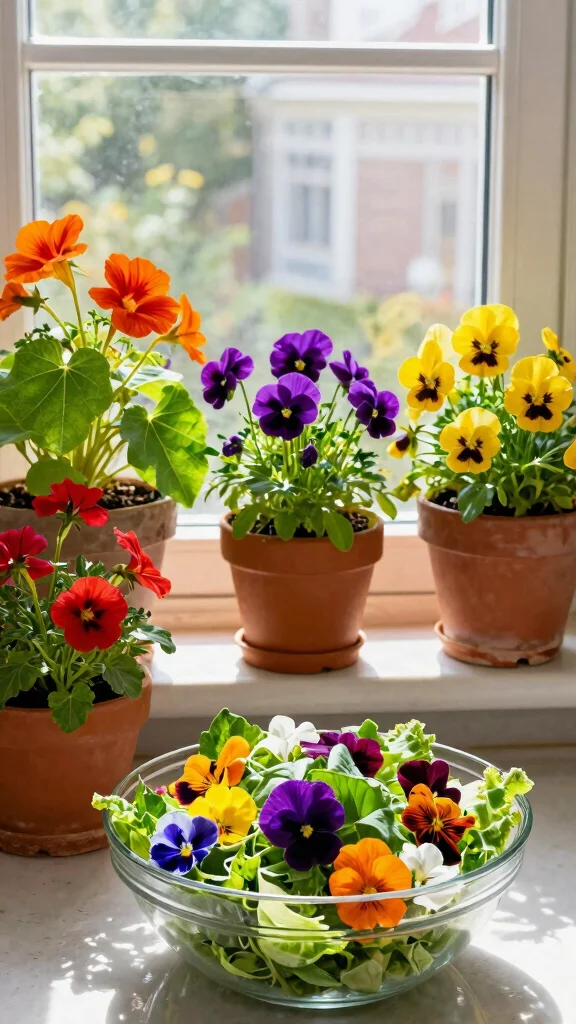
Want to add a splash of color and unique flavors to your meals? Growing edible flowers like nasturtiums or pansies in your kitchen window is a delightful idea! These beautiful blooms not only enhance the aesthetics of your space but also add a fresh touch to salads and other dishes.
Plant them in pots with nutrient-rich soil, ensuring they receive plenty of sunlight. Regular watering is key, but avoid soggy soil to keep them healthy. Harvest the flowers as they bloom for the best flavor, and enjoy their beauty and taste in your culinary creations!
Quick Tips:
– Choose pots that allow for good drainage.
– Pinch off faded flowers to encourage new blooms.
– Use non-toxic flowers for culinary uses.
Recipe Idea: Garden Salad with Edible Flowers
Servings: 2
Prep Time: 10 minutes
Cook Time: 0 minutes
Total Time: 10 minutes
Calories: 120 per serving
Ingredients:
– 4 cups mixed greens
– 1/2 cup assorted edible flowers
– 1/4 cup sliced cucumbers
– 1/4 cup cherry tomatoes, halved
– Olive oil and vinegar for dressing
Instructions:
1. In a bowl, combine mixed greens, cucumbers, tomatoes, and edible flowers.
2. Drizzle with olive oil and vinegar.
3. Toss gently to combine.
4. Serve fresh for a colorful and flavorful salad.
Growing edible flowers in kitchen window plants turns meals into fresh, flavorful experiences. Nasturtiums and pansies brighten salads with color you can harvest straight from your windowsill. Water well, sun generously, and pick blooms as they open for peak flavor.
Conclusion
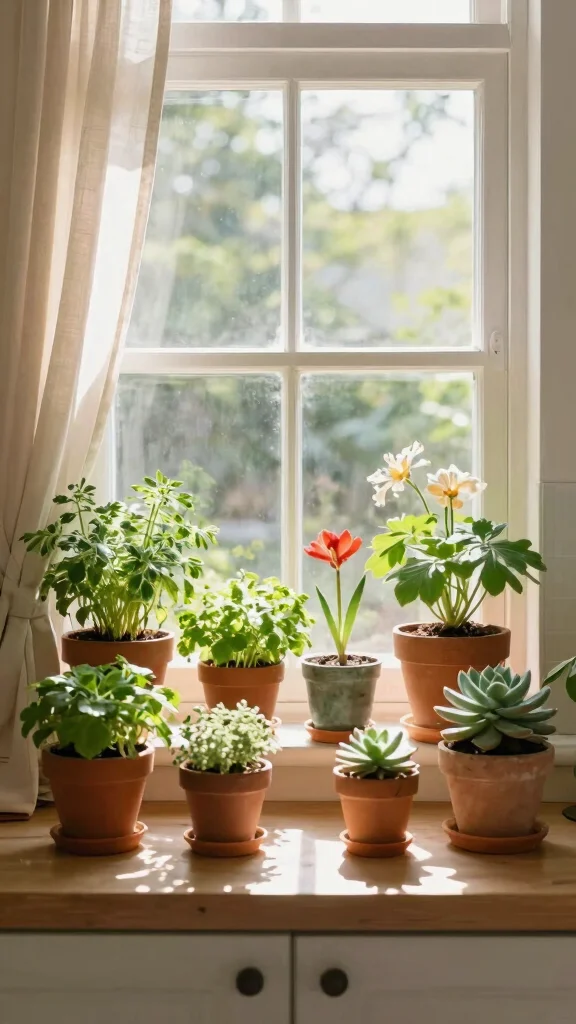
Transforming your kitchen window into a lush garden doesn’t have to be complicated. With the right herbs and plants, you can create a space that’s not only functional but aesthetically pleasing too. These eleven plant ideas can inspire you to bring nature into your home, adding freshness and flavor to your meals.
Start small, and watch your little oasis flourish. Whether you’re an experienced gardener or just starting, these kitchen window plants will make your cooking experience more enjoyable and your home more inviting.
Note: We aim to provide accurate product links, but some may occasionally expire or become unavailable. If this happens, please search directly on Amazon for the product or a suitable alternative.
This post contains Amazon affiliate links, meaning we may earn a small commission if you purchase through our links, at no extra cost to you.
Frequently Asked Questions
What kitchen window plants ideas work best for a small kitchen with a windowsill?
Great question! For a small kitchen, prioritize compact, easy-care herbs and a couple of hardy indoor plants that tolerate bright, natural light. Try basil, parsley, chives, and thyme on the windowsill, plus a pothos or spider plant to add greenery without crowding. Use shallow pots with drainage, a light all-purpose soil, and consider a tiered rail or small wall shelves to maximize space. Water when the top inch of soil dries, prune regularly to keep plants compact, and rotate pots every couple of weeks so every plant gets a fair share of light. With these kitchen window plants ideas, your bright corner stays lush and usable every morning.
Which window sill herbs are easiest to grow in a small kitchen with natural light?
Window sill herbs like basil, chives, thyme, oregano, and parsley often thrive in small spaces if you give them bright, natural light. Place them on a sunlit window (south or east facing if possible); use pots with drainage; use a light, well-draining potting mix; pinch new growth to keep them compact; harvest regularly. Rotate pots weekly to keep all plants evenly illuminated, and water consistently without letting the soil stay soggy. By focusing on these window sill herbs, you’ll have fresh flavors at your fingertips every day.
How can I create a lush, light-filled corner using kitchen window plant ideas and easy-care houseplants?
Start with a clear plan: measure your window and decide which plants fit the space. Combine sun-loving herbs with hardy easy-care indoor plants like pothos, snake plant, and spider plant to add height and texture as part of natural light gardening. Use a small shelving unit or vertical planters to create layers, put herbs on the sill for quick snips, and back them with taller plants. Use reflective surfaces to boost brightness, water and fertilize as needed, prune leggy growth, and rotate monthly. With these kitchen window plants ideas you can craft a lush corner that brightens mornings.
What are the best practices for caring for window sill herbs and other indoor plants in a small space?
Set a simple routine: water on a schedule, check soil moisture, ensure drainage, fertilize monthly with a balanced fertilizer, prune regularly, and clean leaves to maximize light absorption. Use a drainage tray to prevent spills. Keep pests at bay by inspecting leaves weekly. Group plants with similar needs; that helps you avoid over- or under-watering. Use self-watering pots for busy days; label herbs to avoid mixing flavors. With these tips, your small-space garden stays vibrant and easy to manage.
Can I grow practical herbs like basil, parsley, and chives on a kitchen window, and how much light do they need?
Absolutely. Basil, parsley, and chives thrive in bright light—aim for about 4-6 hours of direct or very bright indirect light per day. If your window doesn’t deliver that, supplement with a small LED grow light for a few hours daily. Use compact pots, ensure good drainage, and keep soil consistently moist but not soggy. Harvest regularly to promote bushier growth. Move plants to sunnier spots during the day or use a light-colored reflector to bounce more light onto them. These kitchen window plants ideas help you enjoy fresh herbs every morning.
Related Topics
kitchen window plants
small space gardening
window sill herbs
easy care houseplants
natural light gardening
indoor gardening
herb gardening
beginner friendly
low maintenance plants
lively kitchen decor
sun-loving plants
seasonal herbs